Commercial water damage in Grand Junction can originate from many sources—from sudden failures like burst pipes and sprinkler-system malfunctions to slower, creeping issues like roof leaks, HVAC condensation, and groundwater intrusion after heavy storms. Rapid Response, a locally based, family-owned restoration company with over 30 years of experience servicing Grand Junction and Western Colorado, responds with licensed, IICRC‑trained crews and industry-grade equipment to stop loss, dry structures, and restore business operations quickly and safely.
Why this matters for Grand Junction businesses
Water damage to commercial properties in Grand Junction threatens business continuity, assets, inventory, sensitive records, employee safety, and customer perception. Even a relatively small leak can cascade into structural damage, electrical hazards, microbial growth, and prolonged downtime that harms revenue and tenant relationships. Local building types—from downtown office blocks near Main Street and the Historic Downtown district to warehouses along US-6 and retail centers near Hillcrest—face unique exposure related to age, roof condition, and regional weather patterns. Rapid Response emphasizes speed and local expertise to reduce these risks, helping businesses reopen faster and avoid greater long‑term costs.
Common causes of commercial water damage in Grand Junction
Commercial properties in Grand Junction experience water damage from a predictable set of causes. Understanding these helps property managers and owners prioritize prevention and prepare effective emergency plans.
- Burst or frozen pipes: Sudden pipe failures — often seasonal when temperatures drop — can flood offices, storage areas, and mechanical rooms without warning.
- Plumbing failures and fixtures: Worn seals, failed valves, and backflow problems in restrooms, kitchens, and sprinkler systems create slow or catastrophic leaks.
- Sprinkler system malfunctions: Commercial fire-suppression systems can discharge accidentally due to corrosion, mechanical failure, or impact during tenant work.
- Roof leaks and flash storms: Heavy summer thunderstorms and spring runoff can overwhelm roofs, gutters, and downspouts—especially on older low-slope commercial roofs—leading to water intrusion in ceilings and tenant spaces.
- Storm and flash flooding: Rapid runoff from intense storms can enter ground-floor retail units and warehouses, particularly near low-lying corridors and intersections.
- Sewer backups and sanitary failures: Blocked mains or municipal sewer problems create contaminated water emergencies requiring immediate professional containment.
- HVAC and condensate issues: Failed condensate lines, clogged drip pans, and cooling-system leaks produce moisture that damages ceilings, walls, and finishes.
- Water intrusion from the envelope: Failed flashing, damaged windows, and deteriorated masonry can allow water penetration during prolonged rains or wind-driven storms.
- Human error and tenant activity: Accidental overflows, contractor damage, and improper maintenance frequently cause avoidable incidents.
- Hidden slow leaks and creeping moisture: Slow leaks behind walls or under slabs can go undetected for months, causing mold, material degradation, and structural weakening.
How Rapid Response identifies the root cause quickly
Rapid response begins with a fast on-site arrival and a systematic assessment to identify source, pathway, and affected materials so the team can design a prioritized mitigation plan. The company’s process includes:
- Rapid mobilization: Local dispatch and on-call crews typically arrive within a short window to stabilize the situation and limit damage.
- Full damage assessment: Comprehensive inspection of visible and hidden damage, including ceilings, walls, floors, mechanical rooms, and service corridors.
- Moisture detection and mapping: Use of moisture meters, thermal imaging, and hygrometers to find wet pockets behind finishes and under concrete slabs.
- Classification and documentation: Clear documentation of water category (clean, grey, black), affected area, and material saturation levels for both remediation planning and insurance support.
- Containment planning: Immediate actions to stop further influx—shutting valves, isolating impacted zones, and securing electrical hazards.
This investigative approach supports a tailored remediation strategy: not every situation requires full demolition; many commercial losses can be contained and dried with targeted extraction, structural drying, and sanitization, reducing downtime and reconstruction costs.
Rapid Response’s on-site mitigation and restoration workflow
Rapid Response deploys a staged workflow that balances speed with technical thoroughness so commercial clients can resume operations as soon as safely possible. The primary steps include:
- Emergency response and loss control: Immediate water extraction, temporary structural stabilization, and electrical isolation to remove immediate hazards and prevent secondary damage.
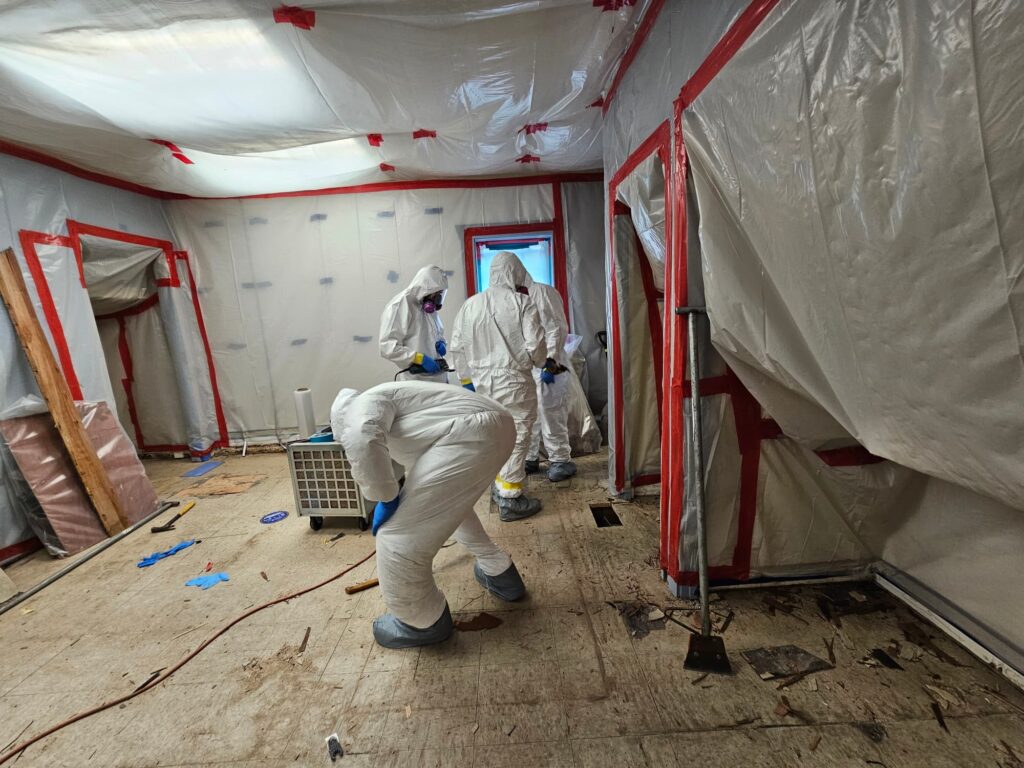
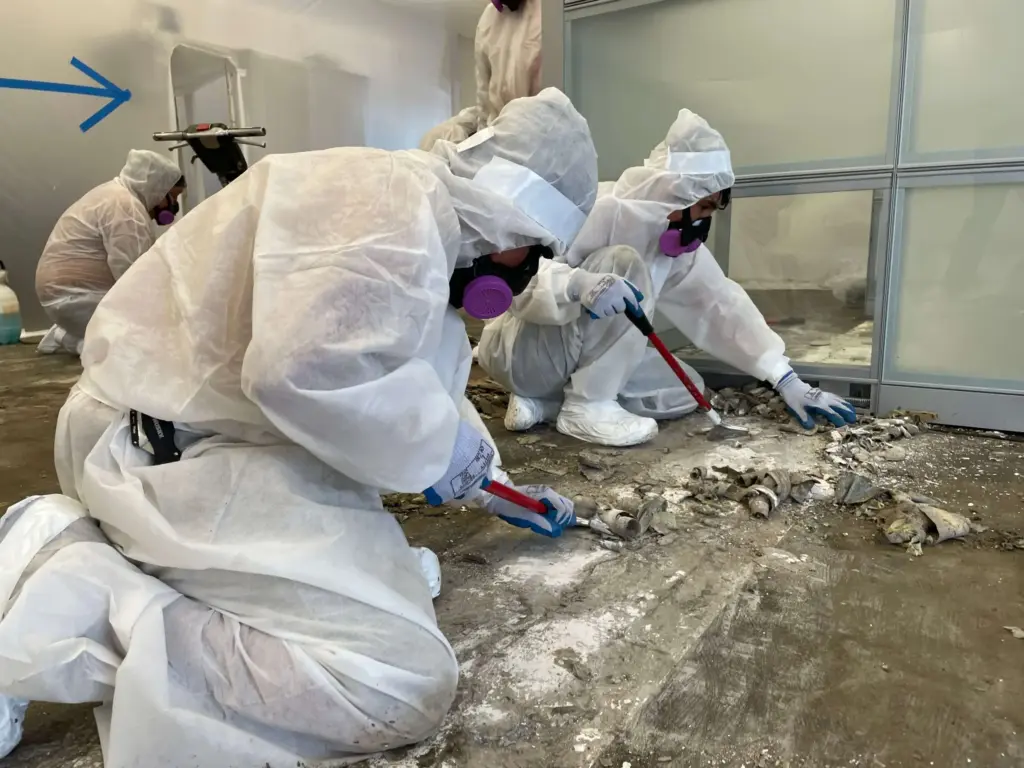
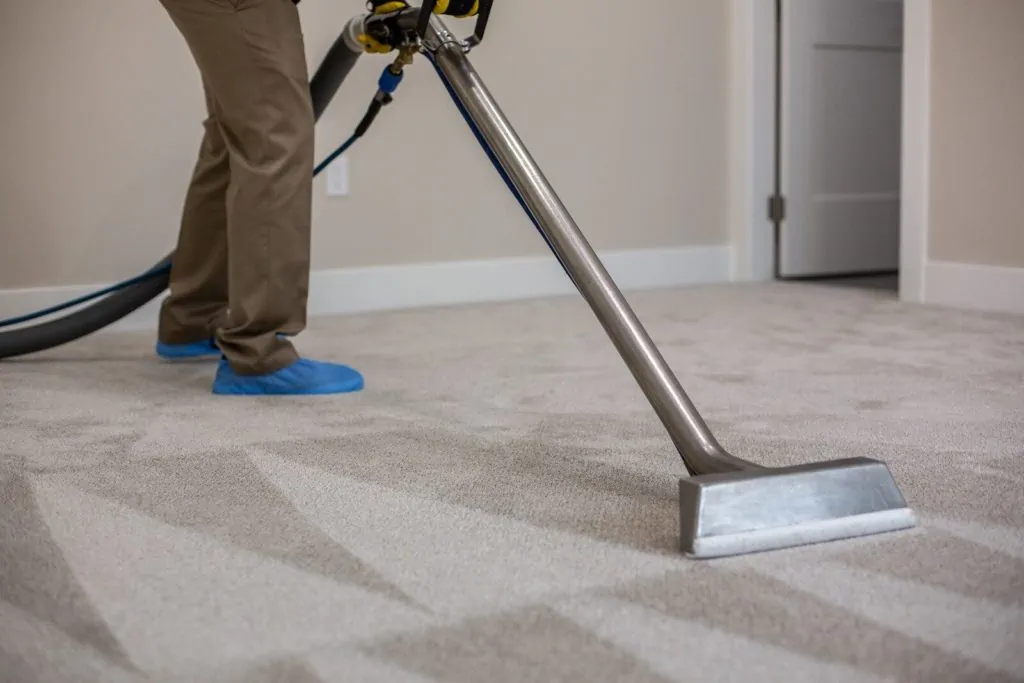
- Debris removal and controlled demo: Carefully removing saturated carpeting, ceiling tiles, and compromised finishes where necessary while protecting unaffected areas and preserving salvageable materials.
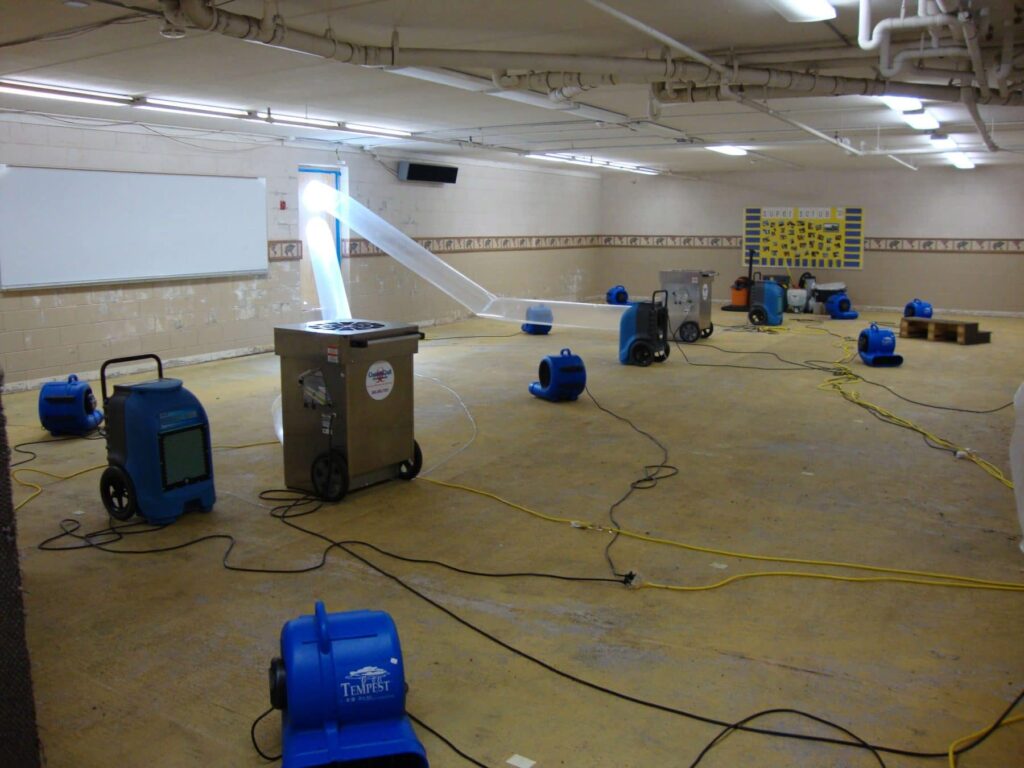
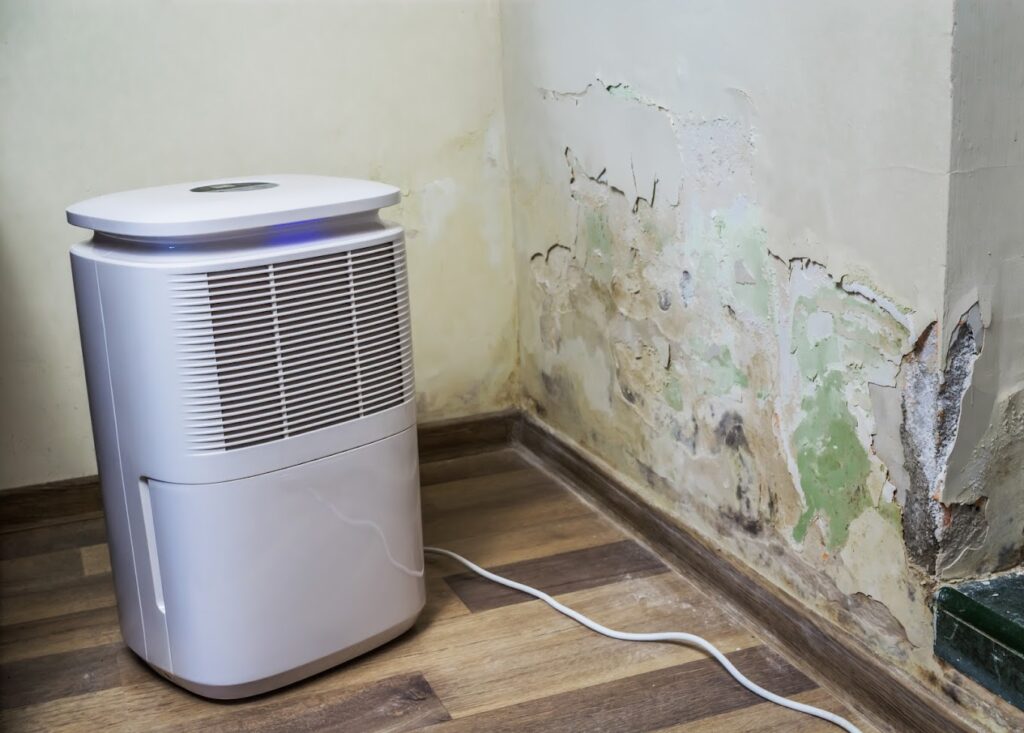
- Structural drying and dehumidification: Installing professional air movers, axial fans, and low-grain refrigerant dehumidifiers to accelerate drying of framing, drywall, and subfloors down to industry threshold levels.
- Moisture monitoring and validation: Daily readings with thermal imaging and moisture meters to document progress and provide validation before repairs begin.
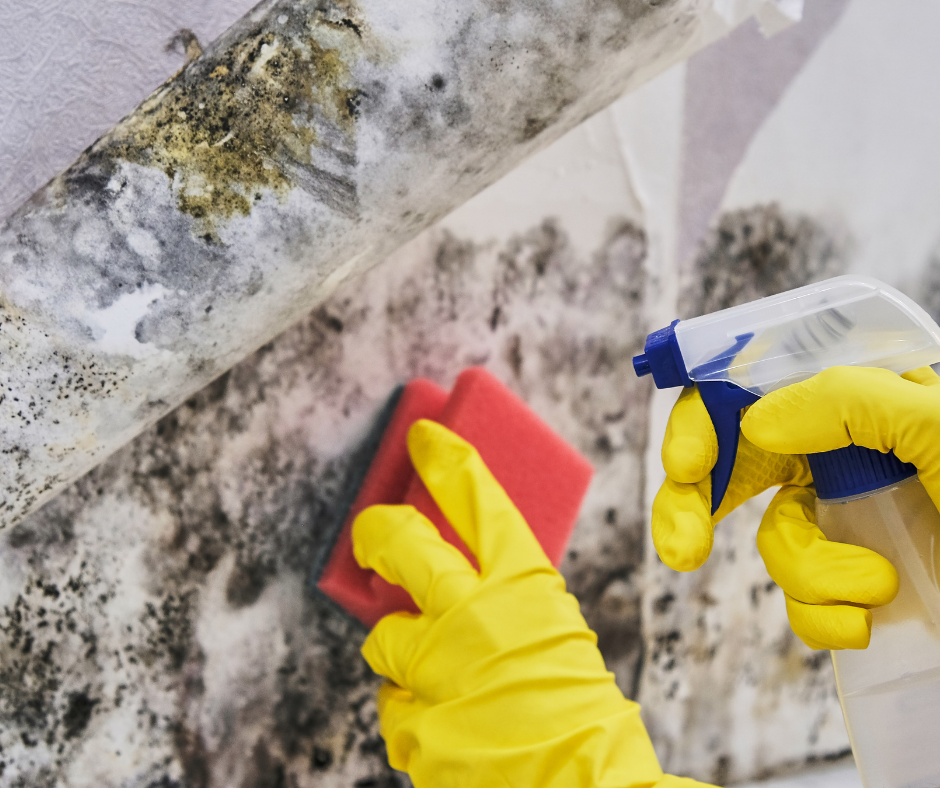
- Sanitizing and odor control: Appropriate cleaning and antimicrobial treatments for areas exposed to contaminated water and to discourage mold growth.
- Reconstruction and finishing: Coordinating carpentry, electrical, and HVAC repairs to restore the space to pre-loss condition, with project management to keep tenants and owners informed.
- Insurance coordination and documentation: Detailed scopes of work, photos, moisture logs, and written estimates to support claims and speed recoveries.
Capabilities and equipment for large commercial projects
Commercial water losses vary greatly in scale. Rapid Response scales its crews and equipment to respond to smaller tenants or multi-thousand-square-foot warehouse floods. Typical resources the company brings to commercial sites include industrial-grade water extraction units, truck-mounted or portable pumps when standing water is present, a fleet of axial air movers, several dehumidifiers sized to CFM and grain loads for the impacted environment, high-energy HEPA air scrubbers when microbial risk exists, and infrared imaging devices for hard-to-detect moisture. The company’s technicians are IICRC-trained and licensed, and the firm carries insurance and a workmanship satisfaction guarantee—important credentials that reduce risk for property owners and managers during restoration work.
Local knowledge that shortens downtime in Grand Junction
Rapid Response highlights the advantage of being a family-run, locally based company operating across Grand Junction and Western Colorado, which shortens travel time and mobilization. Familiarity with Grand Junction neighborhoods, such as the Redlands, downtown Historic Downtown Grand Junction, the Fruita interchange areas, and commercial corridors near Horizon Drive and North Avenue, allows the team to anticipate logistics and regulatory considerations—like access to plumbing shutoffs in older brick structures near Main Street or staging equipment near retail centers like Mesa Mall. Local experience also helps when working with municipal agencies and understanding how seasonal patterns—spring runoff from the Colorado River corridor, summer storms that produce flash flooding, or winter freeze-thaw cycles near I-70—affect building systems and common failure points.
Case examples and real outcomes
Over its 30+ years serving Grand Junction, Rapid Response has handled a variety of commercial losses that illustrate the company’s approach and effectiveness. Examples include:
- Office building sprinkler discharge: Rapid Response responded to a multi-tenant office where an accidental sprinkler discharge damaged multiple suites. The team performed immediate extraction, isolated electrical circuits, removed saturated ceiling systems, dried structural components, coordinated with property management, and staged phased repairs to allow unaffected tenants to reopen while reconstruction proceeded.
- Retail space flood after flash storm: A downtown retail store experienced rapid ground-floor flooding after intense rainfall overwhelmed storm drains. Rapid Response used high-capacity pumps and air movers to remove standing water, sanitized impacted flooring and shelving, and implemented structural drying so the retailer could reopen in a shortened timeframe.
- Warehouse slab intrusion: A logistics facility near Hillcrest reported water creeping under pallet racking after a heavy localized storm; Rapid Response performed detailed moisture mapping, set up desiccant dehumidification where required, and coordinated with in-house maintenance to seal the slab and install improved drainage solutions to prevent recurrence.
These outcomes emphasize the firm’s focus on minimizing business interruption and working directly with property managers and insurers to deliver clear scopes, validated drying documentation, and reliable reconstruction timelines.
Insurance and documentation support
Rapid Response understands the insurance process and positions its reporting to support claims. The company documents the loss with photos, moisture logs, and a written scope to clarify cause, affected areas, and the recommended mitigation steps. Where appropriate, technicians classify water by contamination category and the degree of saturation, which affects the scope of cleaning and disposal. Rapid Response also coordinates directly with insurers and adjusters when permitted, helping property owners receive timely approvals for emergency mitigation and reconstruction work—reducing delays that extend downtime.
Prevention strategies and risk reduction for commercial properties
Preventing or limiting commercial water damage is a multi-layered effort. Rapid Response recommends proactive steps that reduce frequency and severity of incidents:
- Regular plumbing and roof inspections: Routine checks can find deteriorating seals, flashing failures, clogged drains, and weakened roofing membranes before they fail.
- Install water detection and automatic shutoff systems: Sensors in mechanical rooms, under boilers, near domestic water heaters, and under tenant tenant spaces can alert staff to leaks early and trigger isolation valves to stop flow.
- Maintain building drainage: Clearing gutters, downspouts, and site drains reduces the risk of water pooling at foundations and ground-level retail entrances.
- Periodic sprinkler and backflow testing: Proper service of fire-suppression systems reduces accidental discharges.
- Tenant education and response planning: Work with tenants to create emergency contact lists, shutoff valve locations, and an agreed-upon initial-response plan to limit confusion when incidents occur.
- Protect critical systems and data: Elevate electrical systems and servers off the slab, and store inventory on pallets or racks in flood-prone areas.
Taking these measures protects occupants, shortens recovery time, and lowers insurance exposure.
Regulatory and safety compliance in restoration
Commercial restoration must follow safety and environmental guidelines. Rapid Response operates with licensed technicians and follows industry procedures to manage contaminated water, hazardous materials, and mold risk. The company isolates electrical hazards and coordinates with regulatory authorities when required by local codes or environmental regulations. Documented adherence to these practices reduces liability for property owners and ensures that repaired spaces meet safety standards for re‑occupancy.
Communication and project management during restoration
Large commercial jobs demand clear communication among owners, property managers, tenants, insurers, and subcontractors. Rapid Response assigns experienced project leads who provide daily progress updates, moisture measurement logs, photo documentation, and a transparent timeline for repairs. This project-management approach keeps stakeholders informed and helps businesses plan phased re-occupancy where possible to resume revenue-generating operations sooner.
Why choose a local, family-owned Rapid Response team
Choosing a locally owned restoration firm like Rapid Response provides advantages that national call centers can’t match: faster mobilization across Grand Junction, direct accountability from owners, and deep knowledge of regional climate and building stock. Their long-term presence in the community builds relationships with local contractors, building inspectors, and suppliers—benefits that translate to smoother permitting and reconstruction workflows. The company’s satisfaction guarantee and repeat-business focus further support trust and transparency during stressful recovery scenarios.
How to call for help — what to expect
If a commercial water emergency occurs, Rapid Response provides 24/7 access and a clear intake process. Expect to give basic information about the property, the source of water if known, the approximate size of the affected area, and any immediate hazards. The Rapid Response team will dispatch technicians, arrive on-site rapidly, stabilize the situation, and begin emergency mitigation. From there, they’ll produce a written scope and plan for drying and restoration, working with the property’s management and insurance as needed.
Include the Rapid Response homepage link early in the content to improve navigation and connectivity within the site: Rapid Response local restoration services for Grand Junction businesses and properties.
For deeper information and a focused overview of commercial services, readers can view Rapid Response’s dedicated commercial page here: Rapid Response commercial water damage restoration and mitigation services in Grand Junction.
Local geography and Grand Junction context
Grand Junction’s geography and built environment affect how water damage events unfold. The city lies along the Colorado River corridor with varied elevation changes across neighborhoods like Redlands and Fruita. Commercial properties near major corridors—such as those adjacent to I-70 interchanges, US-6, and the Mesa Mall shopping area—face different drainage and runoff patterns than downtown Historic Downtown properties along Main Street and North Avenue that may be served by older infrastructure. Rapid Response’s teams are familiar with these local factors and tailor mitigation strategies accordingly. Nearby landmarks and places that reflect the local footprint include Lincoln Park, Las Colonias Park, and Colorado Mesa University, where regional weather patterns and localized runoff paths can influence flood risk for nearby commercial buildings.
Credentials, experience, and trust signals
Rapid Response advertises more than 30 years of restoration experience and emphasizes licensed, IICRC‑trained technicians delivering emergency response and reconstruction services. The company is family-owned and locally based, and they provide insured, certified services and a workmanship-oriented satisfaction guarantee. These claims create trust signals for property owners: documented response times, safety training, and community tenure reduce uncertainty during emergency decisions and claim negotiations.
Transparent practices and quality assurance
Rapid Response uses a transparent approach to mitigation: on-site estimates, daily documentation of moisture readings, and validated drying criteria prior to reconstruction. The company’s processes include controlled demolition only where necessary, documented cleaning and sanitization steps when contamination exists, and a project sign-off procedure once validated dryness and repairs meet agreed standards. These methods protect occupants and provide the documentation insurers typically require for claim approvals.
Preparing your business: an emergency action checklist
Preparation reduces damage and speeds recovery. Rapid Response recommends the following checklist for Grand Junction commercial properties:
- Identify and label all main water shut-off valves and gas/electrical disconnects and post emergency contact information for on-site staff.
- Install water sensors in high-risk areas (mechanical rooms, server rooms, under sinks, and below water heaters).
- Schedule periodic roof inspections, gutter cleaning, and interior plumbing maintenance.
- Maintain a current inventory of critical equipment, serial numbers, and high-value items stored above potential flood levels.
- Develop a tenant notification and phased re-occupancy plan so parts of a building can return to service while repairs continue elsewhere.
- Keep Rapid Response’s contact information and local emergency numbers easily accessible for property managers and building staff.
Cost considerations and minimizing financial impact
Timely mitigation reduces overall restoration costs. Rapid Response emphasizes quick extraction and validated drying to avoid secondary damage such as mold growth, which increases remediation expense and repair scope. The company offers transparent estimates and works with insurers to reduce out-of-pocket expenses for covered losses. For property owners, investing in prevention—sensor systems, routine inspections, and tenant education—often yields a better return than paying for major reconstruction after avoidable events.
Special considerations for sensitive facilities
Healthcare facilities, restaurants, data centers, and schools require specialized protocols when water damage occurs. Rapid Response customizes mitigation to protect patient safety, food safety, data integrity, and educational continuity. This can include specialized antimicrobial treatments, strict containment measures for contaminated water, and close coordination with facility managers to sequence work around critical operations.
How Rapid Response measures success
Success in commercial restoration is measured by validated dryness, secure structural and mechanical systems, minimal business interruption, and satisfied owners or tenants. Rapid Response documents moisture reduction to industry-accepted thresholds, completes agreed reconstruction scopes, and seeks client sign-off and warranty-driven follow-ups to ensure long-term performance.
How to choose a restoration partner in Grand Junction
When selecting a restoration company, look for demonstrated local experience, written documentation of certifications and insurance, transparent project management practices, quick mobilization, and a clear warranty or satisfaction guarantee. Rapid Response’s local presence, family ownership, IICRC-trained technicians, and 30+ years in the region are key differentiators for Grand Junction property managers seeking dependable commercial mitigation and restoration.
Frequently Asked Questions
How fast can Rapid Response get on-site for a commercial water emergency?
Rapid Response typically arrives on-site in Grand Junction within a short window depending on location and conditions. The company advertises on-site arrival times that range from minutes to a few hours based on proximity and the nature of the emergency. Fast arrival enables immediate mitigation steps—shutting off water, extracting standing water, and protecting electrical systems—to reduce secondary damage and shorten total restoration time.
What types of commercial properties does Rapid Response restore?
Rapid Response works across a broad range of commercial property types including multi-tenant office buildings, retail stores, restaurants, warehouses, industrial facilities, healthcare clinics, schools, and municipal buildings. Each property type receives a customized restoration plan aligned to its operational needs, code requirements, and occupancy constraints, enabling phased re-occupancy where feasible to reduce business disruption.
Does Rapid Response work with insurance companies for commercial claims?
Yes. Rapid Response coordinates with insurance providers and adjusters as part of their standard service offering. The team documents losses comprehensively—photographs, moisture logs, and written scopes of work—to support claims and help secure timely approvals for emergency mitigation and reconstruction activities. This liaison role helps property owners avoid delays that extend closure and revenue loss.
What’s included in Rapid Response’s emergency mitigation service?
Emergency mitigation typically includes immediate water extraction, containment to stop further intrusion, electrical safety checks and lock-out where required, removal of saturated porous materials, placement of air movers and dehumidifiers, and initial sanitizing steps when contamination is suspected. The goal is to stabilize conditions quickly to prevent mold growth and further structural damage while developing a comprehensive restoration plan.
How does Rapid Response handle contaminated water (sewage or black water)?
Contaminated water events require strict containment and disposal protocols. Rapid Response isolates contaminated zones, uses appropriate personal protective equipment, removes and disposes of non-salvageable materials per environmental guidelines, and performs thorough cleaning and antimicrobial treatment of impacted surfaces. Air filtration and HEPA scrubbers may be deployed to reduce airborne contaminants, and technicians follow documented safety procedures throughout the job.
What equipment does Rapid Response use for large commercial drying projects?
For large commercial projects, Rapid Response brings industrial-grade extraction pumps, high-capacity axial air movers, truck-mounted or portable vacuum systems when standing water is present, multiple dehumidifiers sized to the affected volume, HEPA air scrubbers for microbial control, and thermal imaging and moisture meters for mapping and validation. The company scales equipment and staffing to the size of the loss to achieve validated drying targets efficiently.
Can Rapid Response perform reconstruction after drying and mitigation?
Yes. After validated drying, Rapid Response coordinates reconstruction services including carpentry, drywall replacement, flooring repairs, painting, and mechanical system repairs. They manage subcontractors and project timelines to restore commercial spaces to pre-loss condition and support phased re-occupancy plans so parts of a facility can return to operations while work continues elsewhere.
How does Rapid Response validate that a commercial space is dry and safe to re-occupy?
Validation includes daily moisture readings with calibrated meters, thermal imaging to verify hidden pockets of moisture have been addressed, and comparison of readings to industry-accepted dryness thresholds for affected materials. Once validated, the company documents final moisture levels and provides written confirmation that drying goals have been met, after which reconstruction can proceed. These records also support insurance claims and provide owners with assurance before re-occupancy.
What preventive steps does Rapid Response recommend to reduce future water damage?
Rapid Response recommends regular roof and plumbing inspections, installation of water detection alarms and automatic shutoff valves in high-risk areas, routine lawn and drainage maintenance to prevent foundation seepage, periodic sprinkler and backflow tests, and tenant education on immediate actions and emergency contacts. Proactive measures significantly lower the risk of severe losses and reduce long-term restoration costs.
Is Rapid Response licensed and certified to handle commercial water damage?
Rapid Response is a locally owned company that emphasizes licensed, IICRC‑trained technicians, insurance coverage, and a workmanship-oriented satisfaction guarantee. These credentials indicate they follow industry practices for safety, drying validation, and restoration quality—important assurances for commercial property owners seeking reliable, documented service.
Conclusion and next steps
Commercial water damage in Grand Junction can arise from many sources—plumbing failures, storms, sprinkler system discharges, sewer backups, and slow leaks. Rapid Response leverages local knowledge, 30+ years of experience, licensed technicians, and industrial-grade equipment to stabilize losses quickly, validate drying, and restore commercial spaces with minimal downtime. Property managers and business owners should prepare by implementing basic prevention measures, labeling shutoffs, and keeping Rapid Response’s contact information handy to minimize damage if an incident occurs.
For immediate assistance or to discuss a commercial restoration plan, contact Rapid Response via their homepage: Rapid Response local restoration services for Grand Junction businesses and properties.