If you’re scheduling an asbestos inspection with Rapid Response in Grand Junction, this guide walks you through exactly what will happen, why each step matters, and how to prepare so the inspection is fast, thorough, and compliant with local regulations.
Why a clear plan matters for Grand Junction homes and businesses
Asbestos remains a health and legal concern during renovations, emergency discoveries, or when older materials show deterioration. Rapid Response has built a local reputation for fast mobilization, certified technicians, and comprehensive documentation—attributes that reduce risk for homeowners, contractors, and property managers across Grand Junction neighborhoods such as Redlands, Fruita, and downtown near the Colorado Mesa University corridor.
Before the inspection: scheduling, paperwork, and what Rapid Response will ask
When you call to arrange an asbestos inspection, Rapid Response will typically ask about the property type (residential or commercial), the age of the building, whether you’ve discovered damaged materials, and if the inspection is routine for a renovation or an urgent emergency situation. They provide emergency response capabilities with rapid on-site arrival windows for urgent calls—so let the dispatcher know if people have symptoms, a demolition is planned, or a contractor discovered suspect material.
Expect to provide access details, basic contact and insurance information if the inspection will support an insurance claim, and any previous testing reports or known asbestos abatement records. Preparing by clearing easy access to attics, basements, mechanical rooms, and renovation areas reduces time on site and helps the inspection be more cost-effective.
Arrival and initial walk-through: visual survey and hazard recognition
On arrival, a licensed technician will conduct a careful visual survey of the property, starting with the areas most likely to contain asbestos in buildings of the region and era—floor tiles, textured drywall or “popcorn” ceilings, pipe and boiler insulation, roofing underlayment, and some vinyl flooring adhesives and mastics. The technician documents materials with photographs, notes on the condition (friable vs. intact), and location mapping to create a clear record for you and for any needed permitting.
If you called for an emergency response, Rapid Response’s team will prioritize immediate containment steps—such as roping off the area, restricting access, and advising occupants to ventilate differently or vacate the area until sampling is completed.
Targeted sampling: what gets sampled and why
Rather than indiscriminate sampling, Rapid Response focuses on targeted collection driven by the visual survey and risk assessment. Typical sample targets include floor tile and adhesive layers, textured drywall coatings, pipe insulation in mechanical rooms, and suspect roofing or ceiling materials. The goal is to identify which materials actually contain asbestos and which do not so abatement is limited to confirmed hazards.
Technicians use small, controlled samples taken with containment and wetting techniques so dust is minimized. Each sample is logged, labeled, and sealed. That chain-of-custody and documentation is essential if the inspection leads to abatement, regulatory notifications, or insurance claims.
Laboratory testing and turnaround times
Collected samples are sent to accredited laboratories for polarized light microscopy (PLM) or other recognized methods used for asbestos identification. Turnaround time can vary with lab schedules and whether you requested expedited analysis for emergency situations. Rapid Response’s workflows are set up to move from inspection to testing to abatement planning efficiently so projects are not delayed longer than necessary.
Written risk evaluation and abatement plan
After the laboratory confirms the results, Rapid Response provides a written risk evaluation and a proposed abatement plan. This document details the types of asbestos-containing materials (ACMs) identified, their locations, condition, and the recommended next steps—whether encapsulation, repair, or full removal. The plan outlines containment strategies, work area setup, negative air systems, wet methods, regulated waste disposal, and post‑remediation air clearance testing.
The written plan also includes cost estimates and a timeline. If the matter is part of a renovation project, the plan supports the contractor’s scheduling and any necessary permitting. For emergency discoveries, the plan explains immediate containment and a path to safe reopening.
Permits, notifications, and regulatory compliance
Rapid Response’s technicians are licensed and experienced handling local and federal regulatory requirements. They prepare and manage permits and notifications required by state and EPA guidelines when abatement proceeds. By coordinating permitting and using approved hazardous waste disposal routes, Rapid Response reduces the administrative burden for property owners and helps ensure compliant disposal at regulated facilities. This is particularly valuable for commercial properties and older multi-family buildings around major Grand Junction corridors and shopping centers where inspections can trigger municipal reporting requirements.
If removal is recommended: what to expect during abatement
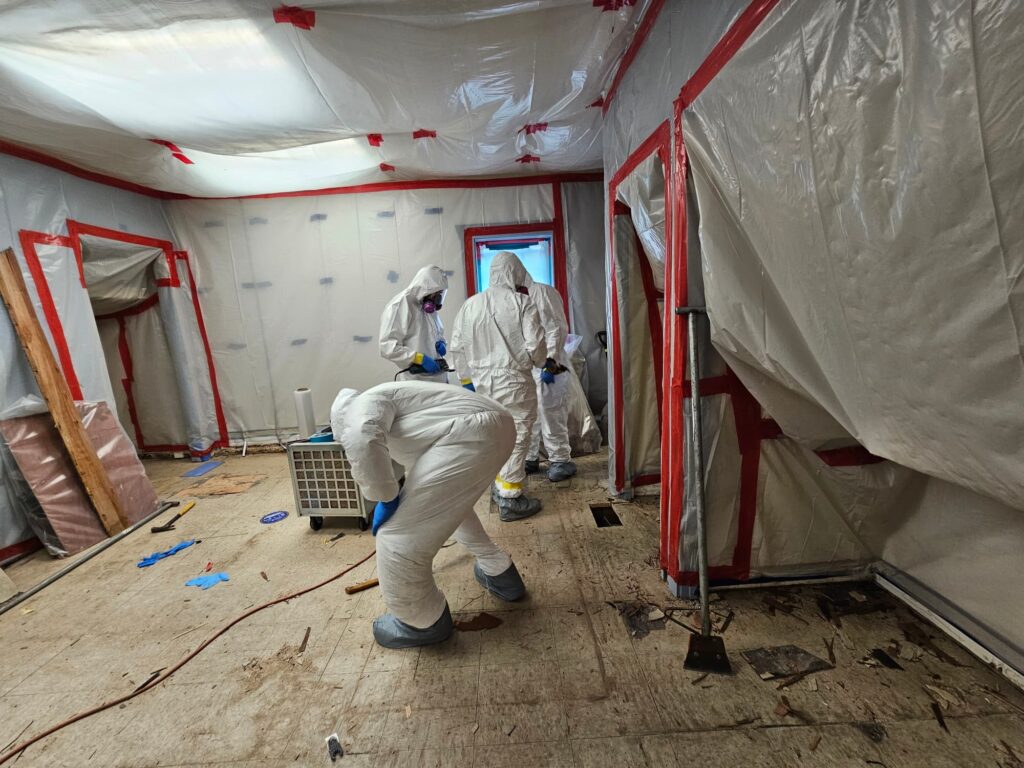
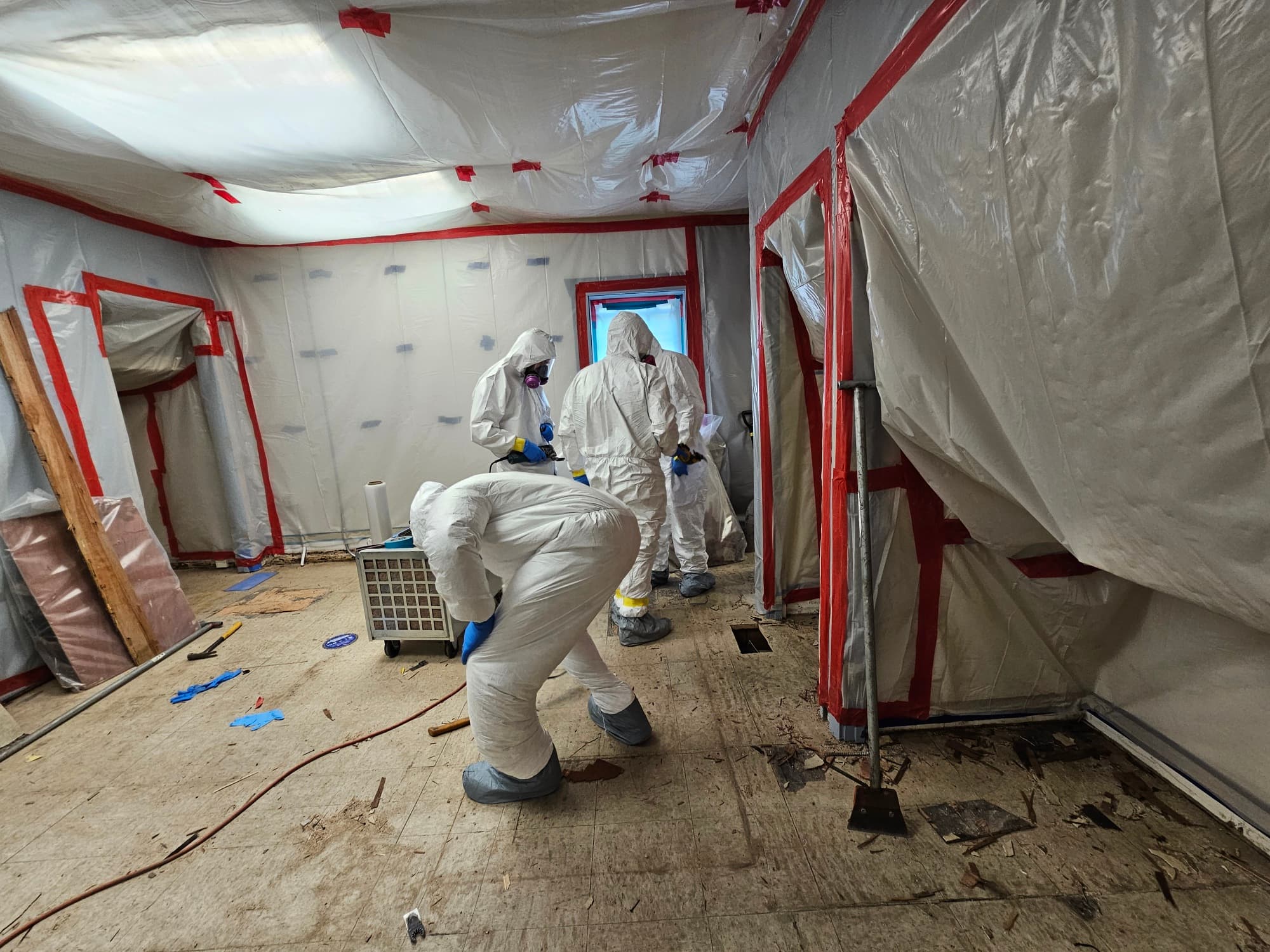
If abatement is required, the written plan becomes the project blueprint. Expect to see these standard industry practices implemented:
- Isolation of the work area with sealed negative-pressure containment to prevent fiber spread.
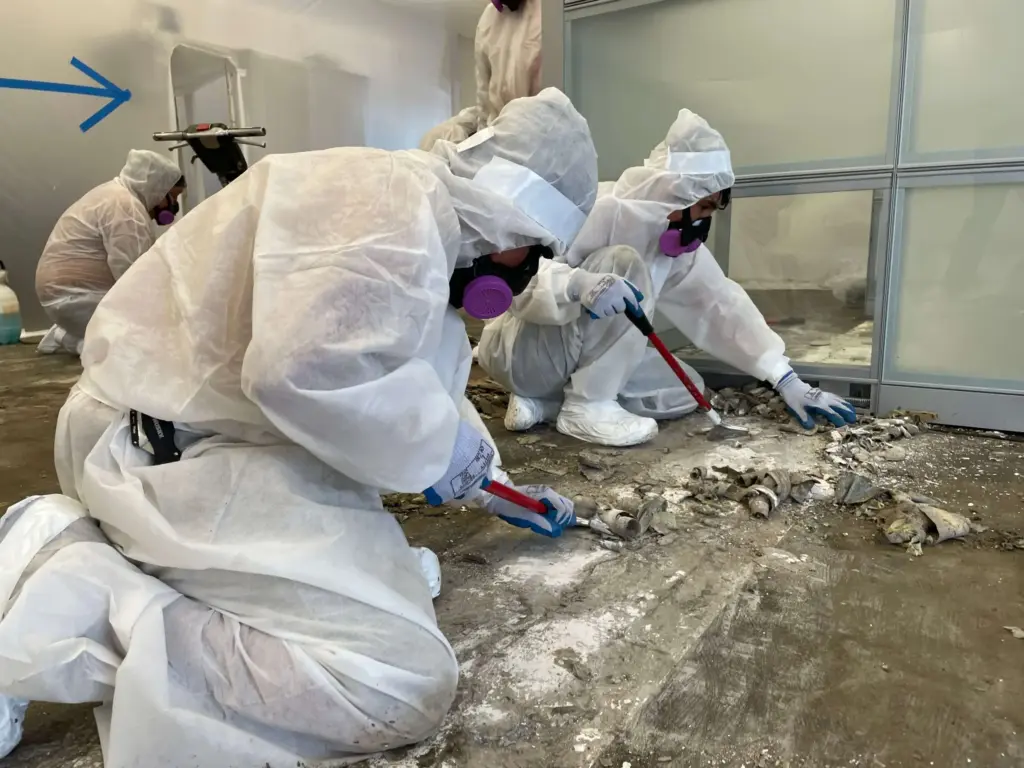
- Use of wet methods to keep fibers from becoming airborne.
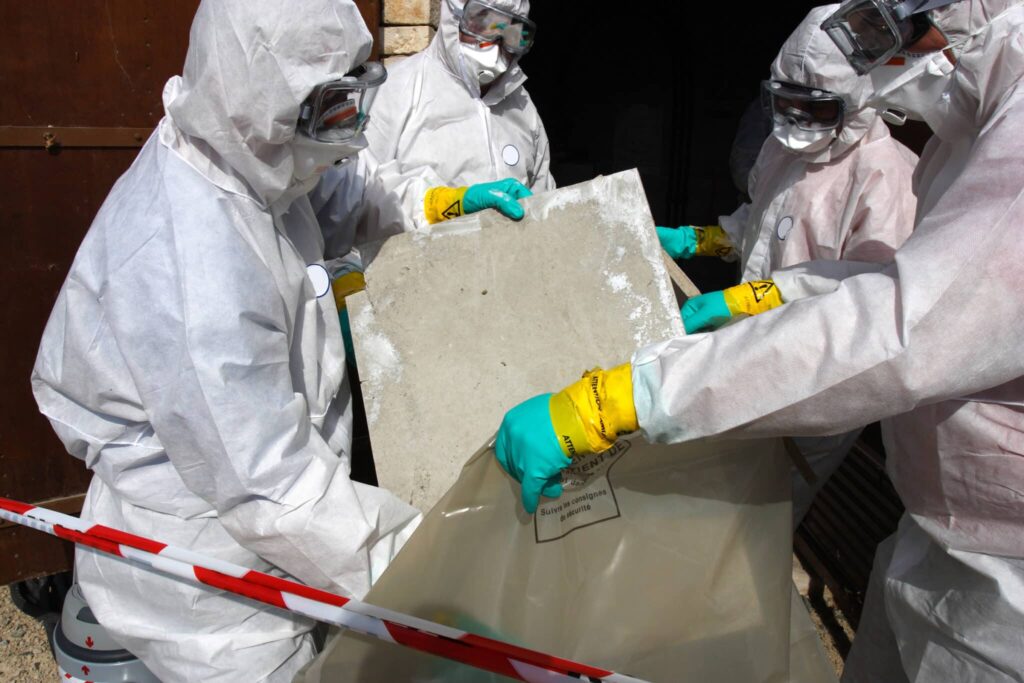
- Specialized personal protective equipment (PPE) for technicians, including respirators and disposable suits.
- Strict decontamination procedures for workers and equipment.
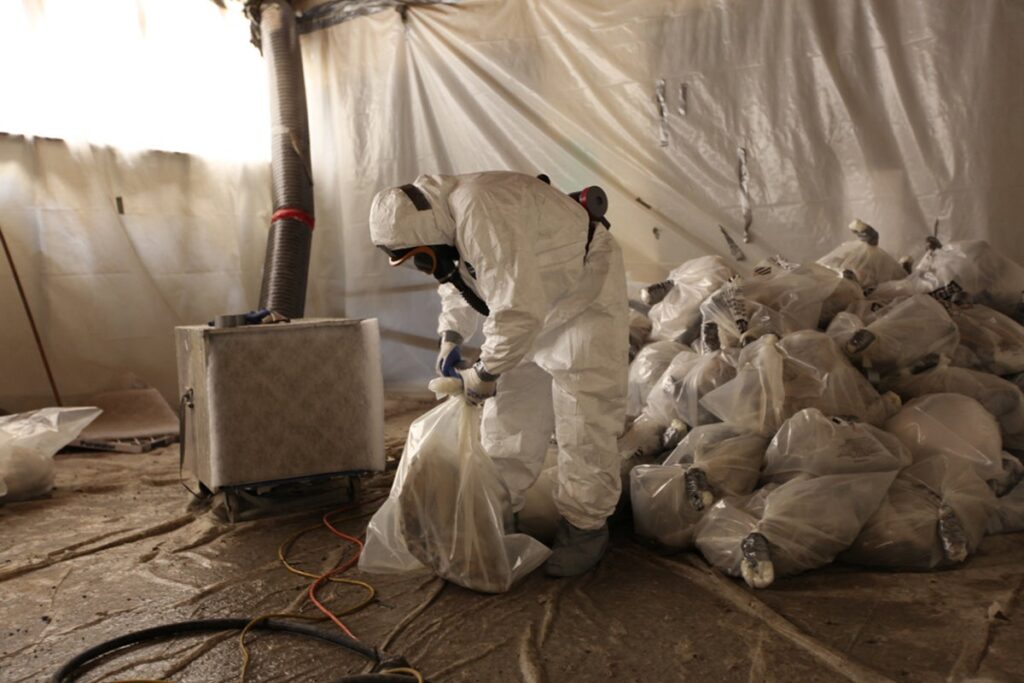
- Transport of asbestos-containing waste to an EPA-approved facility following chain-of-custody documentation.
Rapid Response’s emphasis on documented procedures, transparent pricing, and licensed personnel is designed to reduce surprises and shorten the time between inspection and safe re-occupancy.
Post‑remediation: clearance testing and documentation
Once removal is complete, independent post‑remediation air clearance testing verifies the work. Clearance testing and documentation confirm air quality meets established standards and provide the final paperwork you might need to close permits, satisfy buyers during a property sale, or file with an insurance claim.
Real-world examples and local case context
Rapid Response has served Grand Junction and western Colorado for decades, addressing a mix of residential renovations, surprise discoveries during demolition, and emergency situations where rapid containment was essential. Examples include inspections and abatement during remodels in Redlands neighborhoods, management of asbestos materials uncovered in older downtown commercial buildings near the Colorado Riverfront, and coordination with contractors doing HVAC upgrades near major intersections and shopping corridors.
These case types highlight the local operational strengths that matter: quick on-site arrival when an unexpected discovery occurs, practical familiarity with common asbestos locations in Mesa County housing stock, and experience working alongside general contractors and homeowners during renovation schedules.
How Rapid Response demonstrates expertise and trust in Grand Junction
Rapid Response teams combine licensed technicians, documented protocols, and an emphasis on written plans and transparent pricing. They integrate asbestos services into a broader restoration practice that includes water, fire, and mold remediation, which helps when damage events overlap (for example, water damage exposing historic insulation in crawlspaces). Their local focus across Grand Junction, Delta, Montrose, Fruita, Clifton, and surrounding communities means quicker response windows and staff who understand regional building types and permitting nuances.
Preparing your property: homeowner and contractor checklist
Follow this checklist to make the inspection efficient and safe:
- Clear access to attics, basements, mechanical rooms, and renovation areas.
- Turn off HVAC systems if asbestos is suspected near ducts or in ceilings to avoid spreading dust.
- Inform occupants and building tenants about restricted access and safety precautions during sampling.
- Gather any prior testing reports, permits, or contractor notes to share with the inspector.
- Prepare photos or notes about where materials were disturbed if you found suspect material yourself.
Frequently requested timelines and costs
Inspection length varies with property size and complexity. A targeted survey and sampling for a single-family home can often be completed in a few hours; lab turnaround and the written report will extend the timeline depending on whether expedited testing is required. Costs depend on sample counts, accessibility, and whether abatement follows; Rapid Response provides written estimates so the cost pathway is clear before work begins.
Insurance, bids, and working with contractors
If the inspection is tied to an insurance claim, Rapid Response can document findings and provide the necessary reports to support claims. For renovation projects, their inspection report and abatement plan give contractors a clear scope of work so bids from abatement contractors are consistent and comparable. Their ability to coordinate permitting and disposal logistics reduces project delays.
Health considerations and occupant safety
Asbestos becomes a health risk primarily when friable materials release fibers that can be inhaled over time. That’s why Rapid Response emphasizes safe sampling methods, rapid containment when conditions warrant, and clear recommendations for abatement versus encapsulation. Their inspection reports describe the condition of ACMs and recommend steps tailored to protecting occupants while avoiding unnecessary removal when safe alternatives—like encapsulation—are appropriate.
Local regulations and disposal logistics
Proper disposal is a legal and environmental requirement. Rapid Response arranges regulated waste disposal to EPA‑approved facilities, following chain-of-custody and local guidelines. This ensures materials removed in Grand Junction are handled and transported in compliance with Colorado and federal regulations, and provides the documentation property owners need for records or real estate transactions.
Questions to ask the inspector
Use these targeted questions when the Rapid Response technician arrives:
- What specific materials and locations are you planning to sample?
- Which lab method will be used for analysis and what is the expected turnaround?
- If asbestos is confirmed, what abatement options do you recommend for this material?
- Will you handle permits and disposal logistics if removal is required?
- What are the expected costs and timeframes for inspection, testing, and possible abatement?
How Rapid Response documents and verifies work
Documentation is central to Rapid Response’s practice: photographic records from the visual survey, labeled samples with chain-of-custody, the lab report, a written risk evaluation and abatement plan, and post‑remediation clearance testing results. These records help property owners demonstrate compliance, complete insurance processes, or satisfy buyer/seller due diligence when real estate transactions involve older properties.
Why local knowledge matters: Grand Junction examples
Grand Junction’s housing inventory includes mid‑century and older homes where asbestos-containing materials were commonly used. Rapid Response’s local experience means technicians recognize patterns—common problem materials in kitchen and bathroom flooring, textured ceiling coatings in older rentals near downtown, and pipe insulation in older commercial buildings along major corridors. This practical knowledge shortens inspection times and improves sampling accuracy.
Coordination with other restoration services
Rapid Response integrates asbestos inspection into a broader restoration portfolio—water, fire, and mold services—so when asbestos is discovered during water damage repairs or demolition, they can coordinate remediation and restoration steps more smoothly than a specialist who only does testing. This integrated approach minimizes project handoffs, reduces scheduling friction, and consolidates documentation for insurance and permitting.
Client communication and transparency
Clear, documented communication is a hallmark of trustworthy asbestos services. Rapid Response provides written estimates, explains the abatement plan in plain language, and outlines the health rationale for recommended actions. For property owners in Grand Junction and surrounding communities, that transparency reduces stress during renovation or emergency responses.
Insurance and payment considerations
Because asbestos inspections and abatement can be part of larger insurance claims (for example when asbestos is exposed by water or fire damage), Rapid Response helps document findings in ways insurance providers accept. Ask upfront about cost estimates, deposit requirements, and whether they can provide invoicing or reports formatted for insurance submissions.
Safety during inspection: what occupants should do
Unless directed otherwise, occupants should stay out of the immediate work area during sampling and follow any instructions from the inspector about HVAC shutdown or temporary vacating. Rapid Response technicians follow containment and wetting techniques during sampling so occupants are exposed to minimal risk when procedures are followed.
What a clearance certificate looks like and why you need one
After abatement, a clearance certificate is issued based on independent air clearance testing. This certificate documents that air quality in the remediated area meets the required standards and is a key document for re-occupancy, permits, real estate transactions, and final insurance claim settlement.
Choosing Rapid Response: credentials and local standing
Rapid Response operates locally in Grand Junction and western Colorado, providing licensed and insured technicians with experience across asbestos inspection, testing, abatement, and associated restoration trades. Their combined restoration and hazardous-materials experience is particularly helpful when asbestos is found in the context of water or fire damage.
Sample timeline: inspection through clearance (typical scenario)
- Day 0: Call and schedule inspection; provide property details and access.
- Day 1: On-site visual survey and targeted sampling (few hours on site for a typical single-family home).
- Day 2–7: Laboratory analysis depending on lab availability; Rapid Response prepares draft risk evaluation.
- Day 7–14: If abatement is required, permitting and scheduling; abatement typically takes 1–several days depending on scope.
- Post‑abatement: Independent clearance testing; issuance of clearance documentation once passed.
How much disruption should you expect?
Disruption depends on scope. Inspection and sampling are minimally intrusive and usually completed quickly. Full abatement requires more disruption—room closures, temporary relocation for occupants in some cases, and restricted access while containment is maintained. Rapid Response’s planning and clear communication help minimize surprise and keep projects on schedule.
Local geography and logistical advantages
Because Rapid Response is based in Grand Junction, response times across local neighborhoods—from the Redlands to Fruita and areas near De Beque Canyon—are shorter than out-of-area contractors. This local presence improves emergency response times, which is critical when asbestos is discovered during active construction or after storm and fire events near the Grand Valley and Colorado River corridor.
Environmental stewardship and disposal
Proper asbestos disposal protects communities. Rapid Response adheres to regulated waste transport and disposal protocols, ensuring removed asbestos-containing materials are taken to approved facilities and that manifests and disposal receipts are provided to property owners as part of the job documentation.
Preparing for resale or renovation: using the inspection report
An inspection report is a practical tool for homeowners preparing to sell or renovate. It clarifies which materials require action prior to remodeling or sale, provides a scope for abatement bids, and gives buyers confidence through documented clearance testing when abatement is complete.
What if I’ve already disturbed suspect material?
If suspect material has been disturbed, minimize further disturbance, avoid sweeping or vacuuming with household vacuums, and contact Rapid Response for an emergency assessment. Their teams can provide rapid containment advice and often mobilize quickly to sample and secure the area to limit exposure and contamination.
How Rapid Response handles documentation and proof of work
Expect a full packet of documents after the project: inspection photos and notes, lab reports, the written abatement plan, permits and notifications handled on your behalf if required, manifests for disposal, and clearance reports. These documents are essential for legal compliance, insurance, and future property transactions.
Contacting Rapid Response and next steps
When you’re ready to schedule an inspection or have an urgent asbestos concern, call Rapid Response to describe the situation, request expected arrival windows, and ask about expedited testing if needed. For homeowners and contractors in Grand Junction looking for a trusted local partner, having a pre-inspection checklist and any prior building records will speed the process and reduce costs.
For a broader view of Rapid Response’s services and local presence, visit the company homepage using the anchor text “Rapid Response Grand Junction restoration & hazardous-materials services” to explore their integrated restoration and remediation offerings and understand how asbestos work fits into a larger restoration workflow.
Conclusion
An asbestos inspection with Rapid Response in Grand Junction is designed to be thorough, well-documented, and responsive to the urgency of your situation. From an initial visual survey and targeted sampling to lab testing, a written risk evaluation and abatement plan, and post‑remediation clearance, the process is structured to protect occupants, preserve property value, and meet regulatory requirements with transparent communication at every step.
Frequently Asked Questions
What happens during the initial asbestos inspection visit?
During the initial visit a Rapid Response technician performs a visual survey to identify suspect materials and high-risk areas such as textured ceilings, old vinyl flooring, and pipe insulation. They document findings with photographs and notes, take targeted samples using wet methods to reduce airborne fibers, and label each sample with chain-of-custody information. If the situation is urgent, immediate containment measures like roping off the area and advising occupants may be implemented. The technician will explain sampling procedures, expected lab turnaround times, and next steps for a written risk evaluation and abatement plan so you understand the path forward and potential costs.
How long does asbestos testing take from inspection to results?
Turnaround depends on the laboratory’s schedule and whether expedited analysis is requested. Typically, sampling is done during the inspection and samples are sent to an accredited lab using recognized methods such as polarized light microscopy. Standard lab turnaround can range from a few days to a week, but Rapid Response can coordinate expedited testing for emergency situations. Once lab results are available, Rapid Response prepares a written risk evaluation and recommended abatement plan so you can make informed decisions about repair, encapsulation, or removal.
Will Rapid Response handle permits and regulatory notifications if abatement is required?
Yes. Rapid Response’s teams are experienced with the permits, notifications, and disposal requirements that accompany asbestos abatement. If removal is needed, they prepare documentation, coordinate required local or state notifications, and ensure transport and disposal go to EPA-approved facilities. This regulatory coordination reduces administrative burden for property owners and helps ensure abatement work complies with federal and state rules and local permitting processes.
How invasive is sampling and will it damage my property?
Sampling is minimally invasive when performed by licensed technicians. Technicians use small, targeted cores or scrapes with wetting techniques to limit dust and fiber release. Each sample is chosen to minimize cosmetic or structural impact while still providing enough material for accurate laboratory analysis. Rapid Response documents sample locations and condition, so you know precisely what was taken and why. If more extensive access is required for comprehensive surveys, the technician will explain the reasons and potential impact before proceeding.
What are common asbestos materials found in Grand Junction homes?
Older homes and buildings in the Grand Junction area commonly contain asbestos in floor tiles and adhesives, textured or popcorn ceilings, pipe and boiler insulation, roofing materials, and some vinyl flooring underlayments. Rapid Response’s technicians are familiar with these common locations and use targeted sampling to confirm which materials actually contain asbestos, helping homeowners avoid unnecessary removal of non‑hazardous materials.
How should occupants prepare for an asbestos inspection?
Prepare by clearing access to attics, basements, mechanical rooms, and renovation areas. Turn off HVAC systems if suspect materials are near ductwork or ceiling spaces to avoid spreading dust. Inform occupants or tenants about restricted access during sampling and consider temporarily relocating pets from the work area. Gather any prior inspection reports or renovation records to share with the inspector. These steps shorten the on-site time and improve the efficiency of sampling and documentation.
What options are there if asbestos is confirmed—repair, encapsulate, or remove?
The recommended option depends on the type, location, and condition of the asbestos-containing material. Intact, non-friable materials in good condition can sometimes be managed with encapsulation or repair to reduce fiber release. Damaged or friable material—material that can be easily crumbled and release fibers—usually requires removal by licensed abatement professionals. Rapid Response provides a written risk evaluation that explains the pros and cons of each approach, cost estimates, and timelines so property owners can choose the safest and most practical option.
How long does abatement take and how disruptive will it be?
Abatement timeframes vary with scope. Small-scale removals in a single room may take a day or two, while larger commercial projects or multi-room residential jobs could take several days to a week or more. Disruption includes temporary area closures, containment barriers, and decontamination procedures. Rapid Response’s planning aims to reduce disruption through efficient scheduling, clear occupant communication, and documented timelines, but homeowners should expect some temporary inconvenience until containment is removed and clearance testing is passed.
What documentation will I receive after inspection and abatement?
After inspection you receive photographic documentation, labeled sample records, and lab results. If abatement is performed, you’ll receive the abatement plan, permits and notifications handled on your behalf if applicable, manifests and receipts for regulated waste disposal, and independent clearance testing results that confirm safe re-occupancy. These documents are important for insurance claims, real estate transactions, and future property records.
How does Rapid Response handle emergency discoveries of asbestos during renovations?
Rapid Response offers emergency mobilization capabilities and can arrive quickly to assess and contain undiscovered asbestos during renovations. In emergency situations they prioritize immediate containment, advise on occupant safety (including HVAC shutdown and restricted access), perform targeted sampling, and implement short-term controls to limit fiber spread. Their emergency response workflow moves from containment to testing and then to a written abatement plan so renovation can resume safely and with minimal further delay.