When asbestos is discovered in a home or business in Grand Junction, Colorado, the single most common question owners ask is: how long will abatement take? Rapid Response’s Grand Junction team provides clear, experience-based timelines that range from same-day emergency stabilization to multi-day full-structure abatement depending on scope, permitting, and clearance testing. The company’s on-site emergency arrival window, decades of field experience, licensed procedures, and stepwise workflows give property owners reliable expectations for project duration and return-to-occupancy planning.
Why timing matters: safety, compliance, and getting life back to normal
Asbestos abatement is not only a health and safety operation—it is a logistics and regulatory process that affects project length. Rapid Response emphasizes fast on-site mobilization to reduce exposure risk, detailed inspection and risk evaluation to scope the work correctly, and documented containment, removal, and disposal methods to meet regulatory requirements and protect building occupants and workers. These factors—safety protocols, permits, sample turnaround for clearance testing, and the physical scope of materials—are the primary drivers of how long an asbestos job takes in Grand Junction.
Rapid Response in Grand Junction: credentials and emergency readiness
Rapid Response is a locally based, family-owned restoration company serving Grand Junction and western Colorado communities such as Fruita, Clifton, Redlands, Delta, and Montrose; the company advertises 24/7 availability and fast on-site turnaround times for emergency calls, typically arriving in the Grand Junction area within one to four hours for asbestos emergencies and often under an hour for general restoration mobilization depending on circumstances. The team brings more than 30 years of field experience in handling urgent discoveries, damage-related exposures, and construction-related removals for both residential and commercial clients.
Their Grand Junction asbestos page outlines licensed, insured crews that perform focused inspections, containment using industry-standard negative air and wet methods, EPA‑approved disposal, and written plans and documentation for commercial clients, schools, and public buildings. Rapid Response routinely coordinates regulatory notifications and permit handling for larger projects and provides transparent estimates and written timelines so property owners know when areas will be safe to reoccupy.
Typical asbestos abatement timeline components explained
To set realistic expectations, Rapid Response breaks the overall abatement timeline into discrete components. Each component contributes to total project time and may vary by job complexity and local requirements:
- Emergency mobilization and initial containment: For unplanned discoveries or damage-related exposures, Rapid Response advertises on-site arrival in Grand Junction within 1–4 hours in most cases and uses immediate containment to limit spread and exposure. This initial phase may be completed the same day of arrival to secure the site.
- Detailed inspection and risk evaluation: A focused inspection identifies all affected materials (e.g., floor tile mastic, pipe wrap, drywall joint compound, sprayed insulation) and determines the scope and level of containment required. Rapid Response provides written assessments and estimates based on this inspection.
- Regulatory permitting and notifications (if required): Some abatement jobs require Colorado Department of Public Health and Environment (CDPHE) permits when asbestos content or project type reaches regulatory thresholds. Rapid Response coordinates permitting and regulatory notifications for commercial and Regulation 8 abatement projects; permitting timelines vary and can add days to the total schedule depending on local processing times and project complexity.
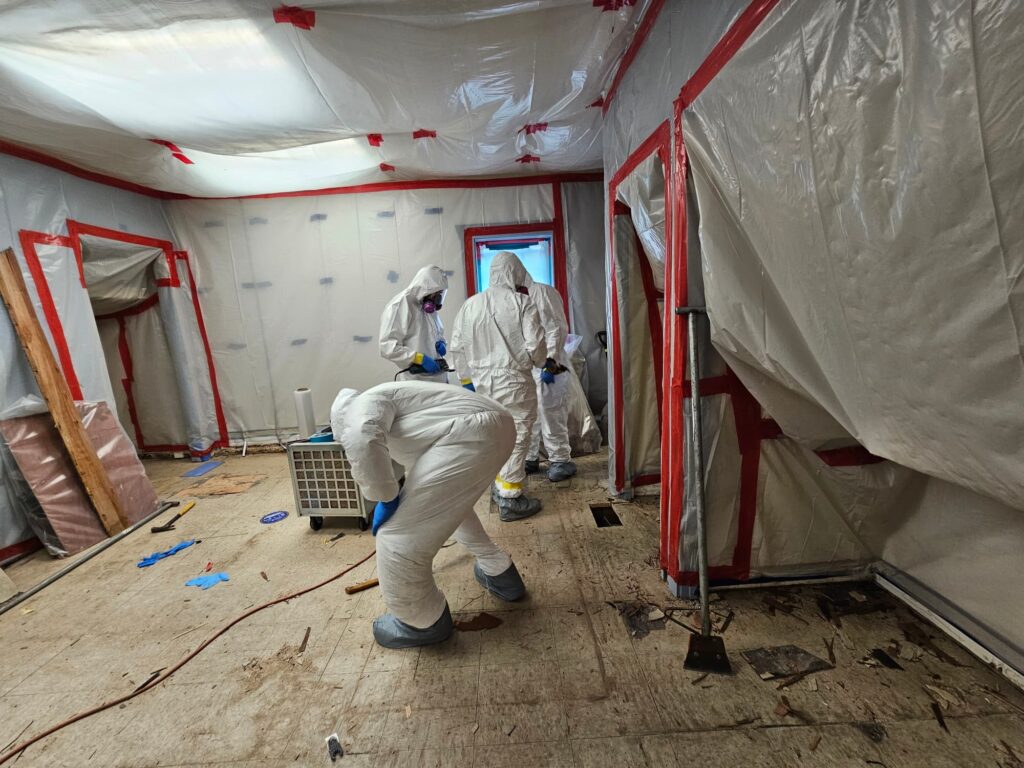
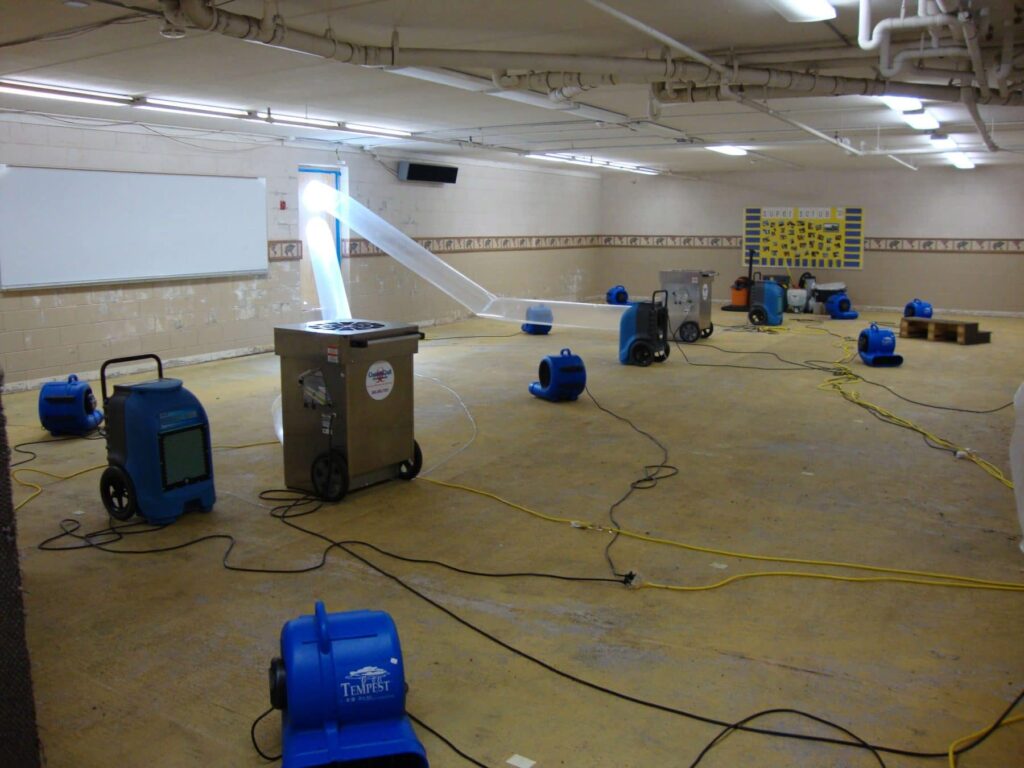
- Containment setup and negative air cycles: Establishing containment with critical barriers, decon units, and negative air machines is labor-intensive for whole-room or full-structure abatement and typically adds setup time before removal begins. Negative air units must run during removal and for a set post-removal clearance period to reduce airborne fiber concentrations.
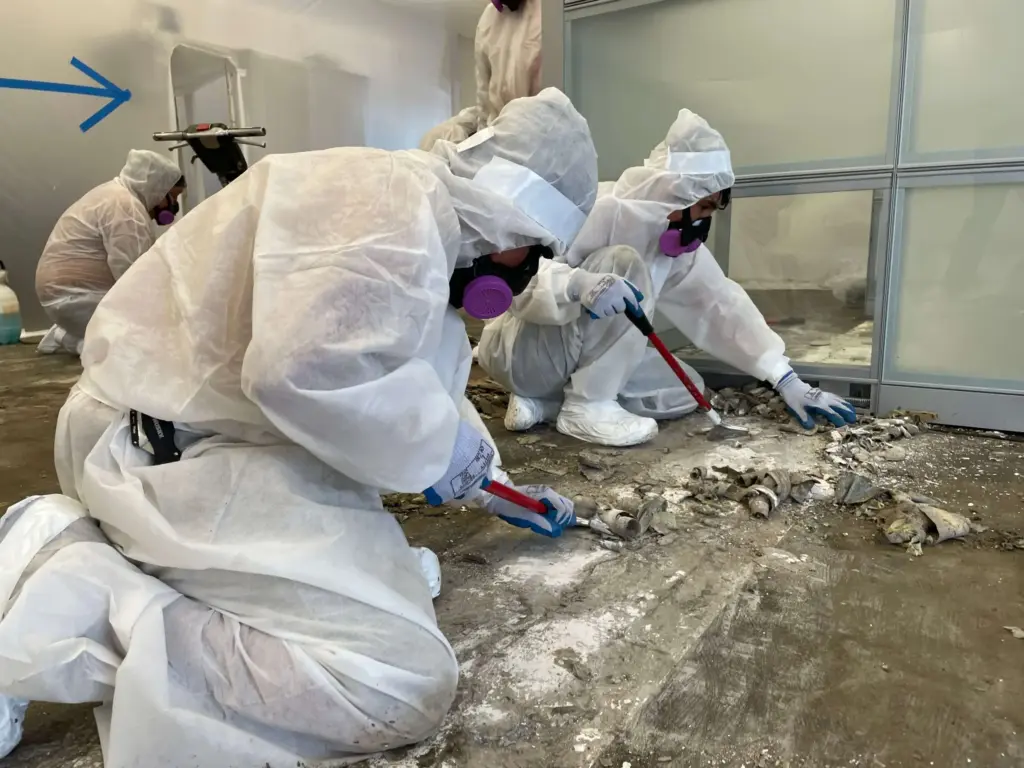
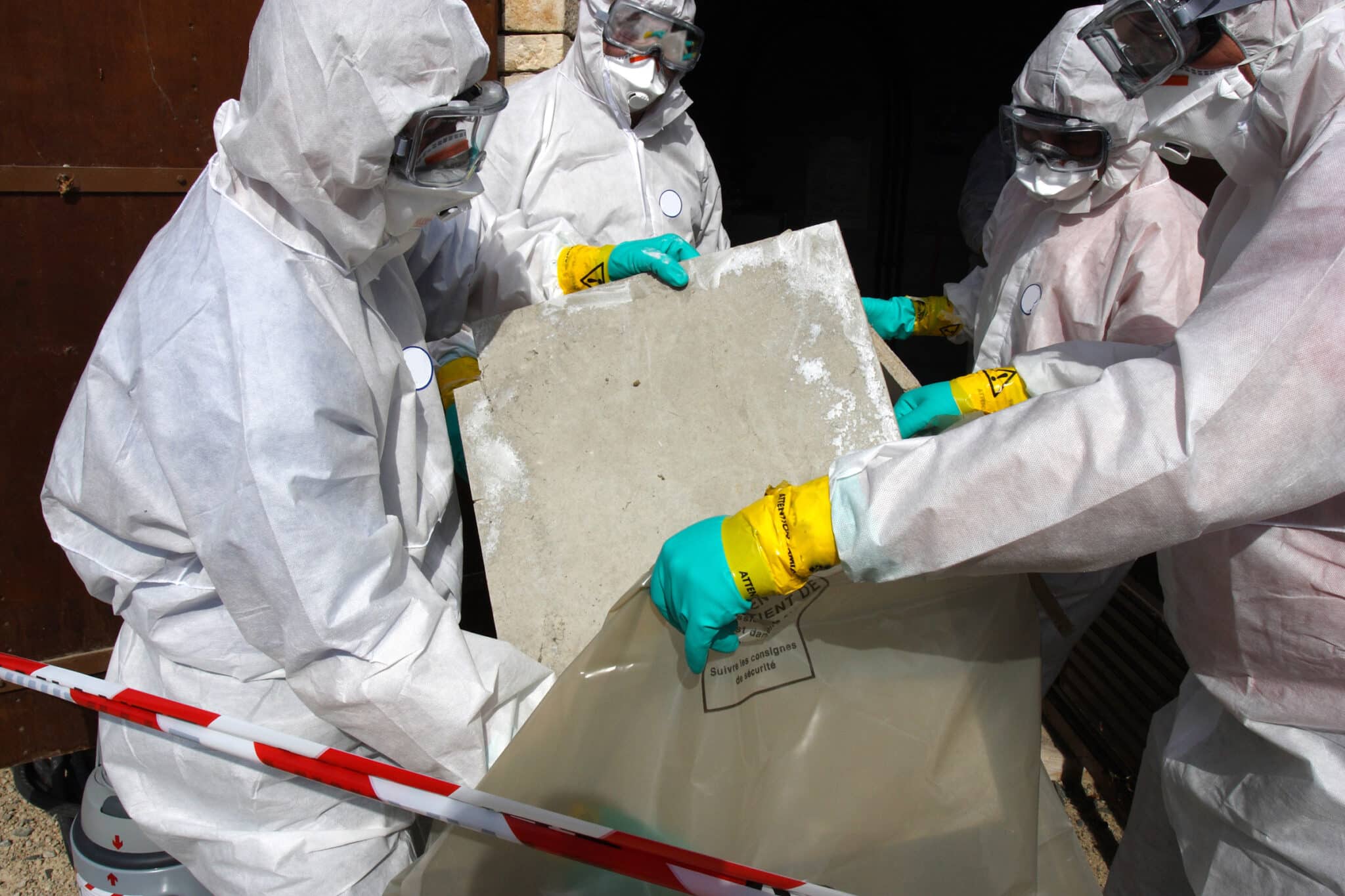
- Removal using wet methods and HEPA-filtered equipment: Actual removal time depends on the amount and accessibility of asbestos-containing materials. Small, localized jobs may be removed in a matter of hours once containment is in place; larger projects require phased removal across days.
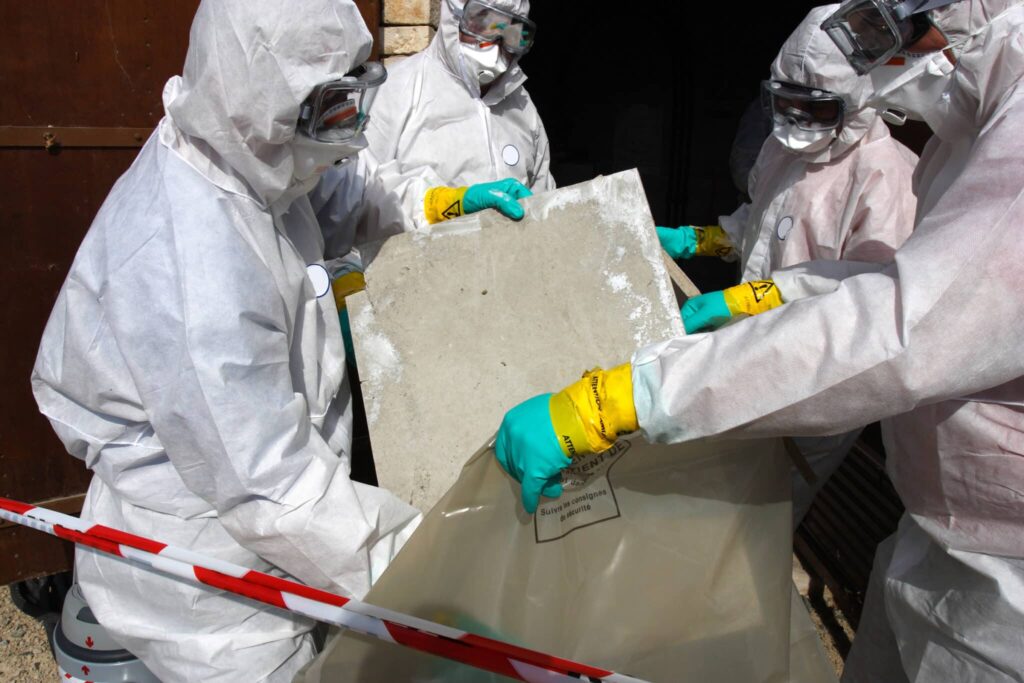
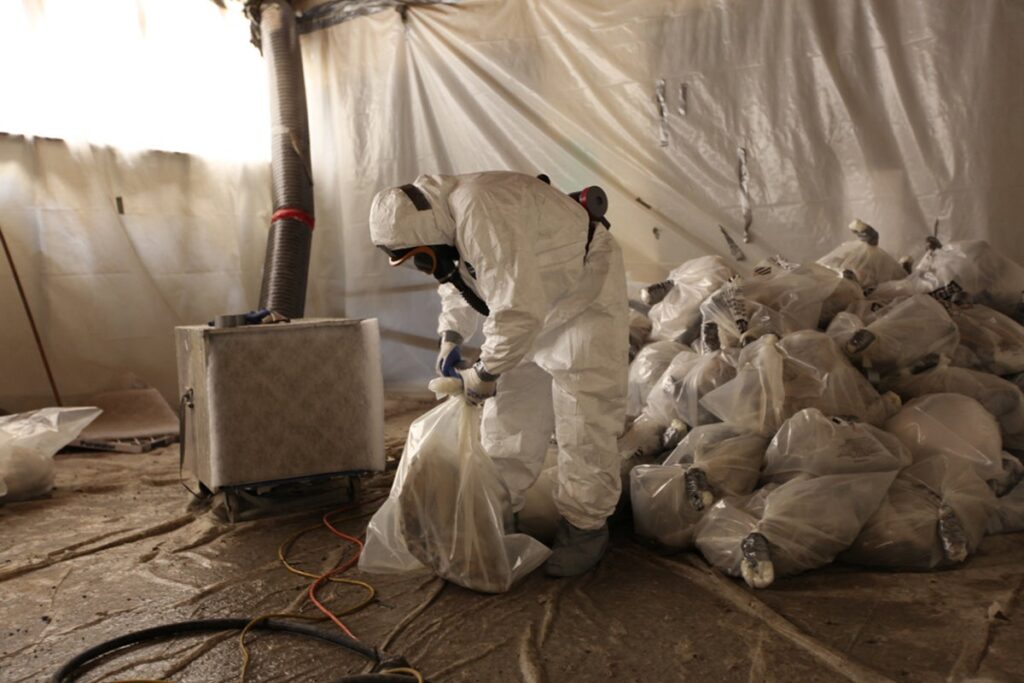
- Waste packaging, transport, and EPA‑approved disposal: Proper double-bagging, labeling, and transport to approved disposal facilities are required. Disposal logistics and local facility schedules can affect the project timeline.
- Clearance sampling and laboratory turnaround: After removal, certified clearance sampling (including air sampling) and laboratory analysis verify that levels meet reoccupation criteria. Lab turnaround time (which can vary by provider and sample volume) affects when final clearance results are issued and therefore when occupants may safely return.
Range of typical project durations with Rapid Response — realistic scenarios
Using Rapid Response’s Grand Junction process and experience as the baseline, here are practical, scenario-based timelines that reflect what local property owners can expect. Each scenario integrates the company’s advertised emergency arrival times, experience with both residential and commercial projects, and the stepwise work flow described on their asbestos service page.
- Emergency discovery (isolated area, no structural damage): On-site within 1–4 hours; immediate containment and hazard communication the same day; focused removal of small items (e.g., a broken section of pipe insulation or a small patch of damaged floor tile mastic) completed within the same day or by the following day; clearance sampling initiated immediately with reoccupancy typically allowed after laboratory clearance results are returned (often 48–72 hours total depending on lab turnaround).
- Small residential abatement (single room or limited materials): Inspection and written estimate day 1; containment setup and removal day 2; post‑removal negative air cycles and clearance sampling day 3; lab results and clearance may return by day 4–5. In many straightforward small residential cases Rapid Response routinely completes the physical removal portion in one to two days and final clearance within several days.
- Medium residential or light commercial (multiple rooms, moderate complexity): Inspection and permitting/notifications as needed day 1–2; containment and phased removal day 2–4; extended negative air cycling and clearance sampling day 5; lab turnaround and final clearance day 6–8. Coordination with contractors for subsequent repairs or remodel work can extend the overall calendar to align with contractor schedules.
- Large commercial or full-structure abatement: Project scoping, written plan, permit procurement, and scheduling of inspections and regulatory coordination can take several days to weeks depending on permit requirements and facility access; containment setup and phased abatement may take multiple days to weeks; clearance sampling occurs in phases with laboratory results staggered; total calendar time is typically measured in several days to multiple weeks for full-structure removals. Rapid Response notes their experience managing commercial timelines, permit handling, and inspector coordination to minimize downtime.
- Projects affected by storm damage or emergency events: Rapid Response’s ability to mobilize quickly (on-site typically within 1–4 hours for asbestos emergencies) is designed to reduce exposure and contain hazards fast; however, when abatement must integrate with broader structural repairs or insurance-driven restoration, scheduling and sequencing can lengthen the overall restoration timeline even if the asbestos removal itself is completed rapidly.
Local factors in Grand Junction that affect schedule and logistics
Grand Junction’s geography and local infrastructure influence abatement logistics in several practical ways. Rapid Response’s Grand Junction page highlights the company’s regional focus—serving neighborhoods and communities across western Colorado—which contributes to faster local mobilization. Local variables that can affect timing include:
- Proximity to the Rapid Response crew and equipment staging: Rapid Response operates from Grand Junction and serves nearby communities such as Fruita, Clifton, Redlands, Delta, and Montrose, which shortens travel and mobilization time for local jobs.
- Seasonal and weather impacts: While Grand Junction’s dry climate generally facilitates drying and containment work, high-wind weather events or winter conditions can complicate outdoor containment and transport to disposal facilities, occasionally affecting schedule windows.
- Local disposal facility availability: EPA‑approved disposal sites accepting asbestos waste have specific operating hours and acceptance criteria; scheduling transport to these facilities affects the end-of-job timeline.
- Coordination with local inspectors and permitting agencies: For larger or Regulation 8 projects that require CDPHE coordination or local inspections, administrative processing and inspection scheduling can add days to the calendar.
- Site access and adjacency to critical locations: Jobs near local landmarks or busy corridors—such as the Colorado Mesa University campus, Orchard Mesa, Las Colonias Park, the Grand Mesa route, or commercial clusters near the Rimrock Marketplace and major intersections like North Avenue and I‑70 frontage—may require special traffic control or phased scheduling to reduce disruption, which can lengthen work windows.
How Rapid Response keeps timelines predictable and transparent
Rapid Response emphasizes transparent estimates, written timelines, and documented safety protocols to reduce uncertainty for property owners. Typical practices they highlight on their Grand Junction asbestos page include providing written plans and documentation required for commercial clients and public buildings, using licensed procedures and trained crews, and coordinating regulatory notifications when necessary. By putting timelines in writing and itemizing each phase of work—from inspection to disposal and clearance sampling—Rapid Response reduces surprises for homeowners, property managers, and contractors.
The company’s experience with both emergency responses and planned abatement helps them anticipate common schedule impacts—labor availability, containment complexity, and lab turnaround—and factor reasonable buffer time into written estimates so customers understand when the area will be safe to reoccupy.
Practical examples and case-style scenarios from Rapid Response work in Grand Junction
Rapid Response’s site references handling both emergency asbestos discoveries and scheduled commercial abatement work across the Grand Junction area, citing over 30 years of field experience in restoration and hazardous materials response. The examples and case-style descriptions below are consistent with processes described on their Grand Junction asbestos page and clarify how timelines are applied in the field.
- Emergency pipe insulation disturbance in a home: A homeowner accidentally damaged a small run of pipe insulation while remodeling and called Rapid Response. The crew arrived within their advertised on-site window, performed containment and emergency stabilization the same day, collected samples for analysis, removed the affected section using wet methods the next morning, and ran a targeted clearance test later that day. The whole sequence—from emergency call to safe reentry of the affected room—was completed in roughly 48–72 hours, with final clearance results dependent on lab turnaround.
- Small tile removal before kitchen remodel: A local kitchen contractor discovered that vintage floor tile and mastic contained asbestos prior to a remodel in a Midtown Grand Junction bungalow near Lincoln Park. Rapid Response conducted a focused inspection and provided a written estimate. Containment and removal were completed during a one- to two-day window that coordinated with the contractor’s planned demolition schedule; post‑removal clearance sampling and lab reporting allowed the contractor to proceed with new flooring work within the week.
- Commercial ceiling insulation abatement for a school: For a school renovation near Colorado Mesa University, Rapid Response provided a written abatement plan, coordinated with school administrators and local inspectors, and staged containment and phased removal across several days to minimize facility downtime. Permitting and inspection coordination required prior scheduling; the full abatement and clearance process spanned several days to a week, with Rapid Response providing the documentation needed for the school’s records and contractor scheduling.
What customers can do to speed up abatement and reduce downtime
Rapid Response recommends several practical steps for property owners to help keep abatement timelines as short as possible:
- Contact Rapid Response immediately when asbestos is suspected so crews can mobilize quickly and limit exposure; early notification shortens response and containment time.
- Provide clear access and a point of contact for scheduling inspections, permits, and on-site coordination.
- Coordinate contractor schedules (remodelers, electricians, plumbers) with Rapid Response’s written timeline so follow-on work can begin promptly after clearance.
- When feasible, request expedited lab processing for clearance samples (if available) and confirm testing turnaround expectations in writing with Rapid Response during the estimate phase.
- Be prepared to temporarily vacate affected rooms or properties until clearance is documented; plan for short-term accommodation if full-structure abatement is needed.
Costs, scheduling windows, and insurance coordination
While this post focuses on timing, cost and insurance coordination frequently intersect with schedule decisions. Rapid Response’s restoration practice includes working directly with many insurance providers to document damage and support claims; this coordination can speed approval for abatement and repairs when insurance is involved. The company’s written estimates and documentation often assist homeowners and facility managers in seeking timely insurance authorizations, thereby reducing administrative delays that might otherwise extend project calendars.
Rapid Response notes that emergency availability and fast local turnout in Grand Junction help limit additional damage and subsequent costs; rapid containment and removal can reduce secondary problems—like water or mold damage from storm events—that complicate scheduling and extend restoration timelines.
Clearance testing: the final gatekeeper for re-occupancy
No matter how quickly removal is performed, regulatory and health-based clearance standards determine when areas are safe to reoccupy. Rapid Response performs post‑removal clearance sampling and coordinates the associated lab testing and documentation. Clearance procedures typically involve air sampling using calibrated pumps and filters, analysis in accredited laboratories, and, where applicable, visual inspections by an accredited inspector. The time for lab results varies; Rapid Response factors typical lab turnaround into their written timelines and informs clients when they can expect final clearance.
Local Grand Junction context and neighborhoods we serve
Rapid Response’s Grand Junction operations are rooted in local knowledge of neighborhoods and sites where older buildings and renovation work often uncover asbestos-containing materials. The company serves residential areas such as downtown Grand Junction, Lincoln Park, Redlands, and Orchard Mesa as well as commercial corridors near Rimrock Marketplace and the I‑70 Colorado River interchange. They also respond to properties near recreational and landmark areas including the Colorado Riverfront, Las Colonias Park, and routes to Grand Mesa—factors that can affect logistics and scheduling when containment or traffic control is needed.
Because Rapid Response focuses on western Colorado—servicing Grand Junction, Fruita, Clifton, Redlands, Delta, and Montrose—they emphasize local mobilization speed and regional operator knowledge that helps keep schedules efficient and reliable.
What to expect during each day of a typical small residential abatement
To make timelines tangible, below is a representative day-by-day outline for a small single-room residential abatement performed by Rapid Response in Grand Junction. This scenario assumes rapid mobilization, no permit requirement, and a typical lab turnaround window for clearance testing.
- Day 0 — Call and mobilization: Homeowner discovers suspected asbestos-containing tile while preparing for a remodel. Rapid Response is contacted and provides emergency advice, schedules an on-site inspection, and mobilizes to arrive within their advertised on-site window—commonly the same day for Grand Junction calls. The crew performs an initial hazard assessment and secures the site.
- Day 1 — Inspection and estimate; containment setup: Rapid Response’s licensed crew performs a focused inspection, confirms asbestos presence by sample or prior testing, provides a written estimate with a timeline, and sets up containment (critical barriers, negative air machines, decon units). If no permit is required, removal work may begin the same day after containment.
- Day 2 — Removal and waste handling: The crew performs wet-method removal of tile and mastic, uses HEPA-filtered tools, packages waste per EPA and CDPHE guidance, and transports material to an approved disposal facility. Negative air units remain operational during and after removal to control airborne fibers.
- Day 3 — Clearance sampling and initial lab submission: After removal, Rapid Response performs clearance air sampling and collects required swipes or visual inspections, then submits samples to an accredited lab. Negative air machines may remain on for a specified post-removal cycle prior to sample collection.
- Day 4–6 — Lab turnaround and final clearance: Lab turnaround varies; Rapid Response indicates they plan timelines with typical lab windows in mind. Once lab results confirm acceptable clearance levels, Rapid Response issues clearance documentation and the room is safe to reoccupy. If results require additional cleaning, the crew returns to remediate and resample until clearance is achieved.
How Rapid Response documents and communicates progress
Rapid Response emphasizes written plans, transparent estimates, and documentation for each project. For commercial clients, schools, and public buildings, the company provides the documentation needed for permit submittals and inspector reviews and coordinates regulatory notifications when necessary. For homeowners, Rapid Response provides clear, written estimates and timelines and communicates expected lab turnaround times and reoccupancy dates so occupants can plan accordingly.
When abatement becomes phased work and how that affects timeframes
Phased abatement is common in larger remodels or occupied commercial buildings where keeping parts of the property operational is essential. Rapid Response routinely manages phased projects in Grand Junction and surrounding communities, staging containment and removal for one zone at a time. While phased approaches limit operational disruption, they typically extend the calendar duration because containment must be built, removed, and cleared sequentially. Project managers and owners should expect phased abatement to add days to weeks to the overall timeline compared to single-phase jobs of equivalent total scope.
Examples of items frequently found in Grand Junction that require abatement
In Grand Junction and older properties across western Colorado, Rapid Response commonly encounters asbestos-containing materials including resilient floor tile and mastic, pipe and boiler insulation, textured ceiling materials and popcorn ceilings, drywall joint compound in older finishes, and roofing materials. The accessibility and volume of these materials directly influence removal time: small, accessible items are removed quickly; materials behind finished surfaces or embedded in complex assemblies require more time and careful work to avoid disturbing hidden fibers.
Emergency vs. planned abatement: different urgency, different timelines
Emergency abatement prioritizes immediate containment and risk reduction. Rapid Response promotes quick on-site arrival (1–4 hours for asbestos emergencies) to stabilize and secure affected areas, which often allows abatement work to be completed faster overall because early action prevents spread. In contrast, planned abatement allows for more lead time to schedule permits, contractor coordination, and lab services and may be scheduled to align with broader renovation timelines.
How Rapid Response’s experience shortens real-world schedules
Decades of restoration field experience enable Rapid Response to anticipate common obstacles—like hidden asbestos layers, unexpected damage, and lab turnaround variability—and to build appropriate contingencies into written timelines. Their local focus on Grand Junction and surrounding communities shortens mobilization times and improves disposal logistics, enabling faster completion of many projects than a non‑local contractor might achieve.
What to expect in your written estimate and work plan
Rapid Response’s written estimate typically outlines scope, containment strategy, removal methods (wet techniques, negative air), anticipated start and completion dates for each phase, sampling and clearance testing procedures, and disposal logistics. For commercial or Regulation 8 abatement projects, permits, inspector coordination, and required documentation are itemized. The written plan helps clients schedule follow-on construction or reoccupation and provides transparency on expected lab turnaround and final clearance timing.
How Rapid Response handles coordination with contractors and inspectors in Grand Junction
Rapid Response coordinates with remodeling contractors, building owners, and local inspectors to sequence abatement and follow-on construction. For projects near busy locations—such as the North Avenue corridors, I‑70 frontage, Colorado Mesa University, or commercial centers like Rimrock Marketplace—they plan logistics to minimize traffic disruptions while meeting containment and disposal requirements. For school or public building projects, Rapid Response arranges phased abatement, off-hours work windows, and inspector scheduling to reduce downtime and meet institutional timetables.
Preparing your Grand Junction property for an asbestos abatement visit
To help Rapid Response meet timelines and streamline work:
- Clear access routes and parking areas for crews and trucks near the job site.
- Remove easily moved personal items from affected rooms to speed containment setup.
- Provide clear contact information and decision-maker availability for on-site choices.
- Coordinate with contractors who will follow removal (electricians, plumbers, flooring crews) to align schedules with written clearance expectations.
- Plan temporary accommodations for occupants if whole-structure abatement is needed.
Realistic expectations: what can cause delays
Even with Rapid Response’s local presence and experience, certain factors can delay abatement:
- Permit or regulatory processing delays for larger Regulation 8 projects.
- Longer-than-expected lab turnaround for clearance samples during peak demand periods.
- Discovery of additional asbestos-containing materials during removal that expand scope.
- Access challenges in multi-story or historic buildings that require special containment strategies.
- Weather or transport issues that affect disposal facility access.
Why Rapid Response’s approach reduces overall risk and long-term disruptions
Rapid Response combines emergency readiness (fast on-site arrival in Grand Junction), licensed asbestos abatement procedures, and decades of restoration experience to reduce both health risk and long-term disruption. Quick containment limits exposure, properly sequenced removal keeps reoccupation delays to a minimum, and thorough documentation streamlines insurance and regulatory processes. Their emphasis on transparent timelines and written plans means clients know what to expect and can coordinate subsequent repair or remodeling work efficiently.
How to get started with Rapid Response for an asbestos issue in Grand Junction
If you suspect asbestos in a home or business in Grand Junction or surrounding communities, contact Rapid Response for an immediate consultation. The company’s Grand Junction asbestos page highlights their emergency response availability and their capacity to provide written estimates, containment, removal, disposal, and clearance documentation. Rapid Response serves Grand Junction neighborhoods, nearby communities like Fruita and Clifton, and helps property owners plan for quick, compliant abatement and reoccupation.
For convenient site navigation and more about Rapid Response’s full services, including water, fire, and mold restoration that often intersect with asbestos projects, visit the company homepage by following this anchor text: Rapid Response Grand Junction restoration and emergency services — trusted local experts for fast mobilization and safe recovery.
To learn more about their dedicated asbestos service offering and what to expect during an abatement engagement, review Rapid Response’s dedicated project page here: Rapid Response asbestos services and emergency abatement in Grand Junction — licensed procedures, quick on-site arrival, and transparent timelines for homeowners and businesses.
Byline and author credentials
Byline: Rapid Response Restoration Team — Asbestos Abatement & Emergency Response Specialists. Rapid Response is a family-owned restoration and abatement service based in Grand Junction, CO, offering 24/7 emergency response with more than 30 years of combined field experience in water, fire, mold, and asbestos response. The company is licensed and insured, performs EPA‑approved disposal, uses industry-standard containment and wet removal methods, and provides written plans and documentation for commercial projects and public buildings. These organizational credentials and decades of field experience form the basis for the timelines and process guidance provided in this post.
Conclusion and next steps
Asbestos abatement timelines in Grand Junction with Rapid Response vary with the scope of work—from same-day emergency stabilization and one- to two-day small removals to multi-day or multi-week commercial and full-structure projects that require permitting and phased clearance testing. Rapid Response’s local presence, quick on-site arrival window, documented procedures, and experience coordinating permits and inspections give property owners dependable, written timelines. If asbestos is suspected, call Rapid Response immediately to reduce exposure, obtain a written estimate, and get a realistic schedule that aligns with your repair and reoccupation needs.
Frequently Asked Questions
How quickly can Rapid Response arrive for an asbestos emergency in Grand Junction?
Rapid Response advertises emergency on-site arrival typically within one to four hours in the Grand Junction area for asbestos discoveries and damage-related exposures. For general restoration mobilization the company also indicates many calls result in crews being on-site in under an hour depending on circumstances and location. Rapid Response’s local base in Grand Junction and service area across western Colorado (including Fruita, Clifton, Redlands, Delta, and Montrose) supports rapid mobilization to secure affected areas and begin containment immediately, reducing exposure risk and limiting further spread of contamination.
How long does a small residential asbestos removal usually take with Rapid Response?
For a small residential job involving a single room or limited materials—such as vinyl floor tile and mastic or a short run of asbestos pipe insulation—Rapid Response commonly completes physical removal in one to two days once containment is set up. Clearance sampling and laboratory analysis typically add another two to three days depending on lab turnaround. In many straightforward cases, the overall sequence from inspection to documented clearance can be completed within 48–120 hours, although exact timing depends on sample processing times and whether any additional contamination is discovered during removal.
What factors cause a Grand Junction asbestos job to take longer than expected?
Several common factors can lengthen abatement timelines: discovery of additional asbestos-containing materials during removal (widening scope), the need for Regulation 8 permitting and coordination with CDPHE or local inspectors, slower lab turnaround for clearance samples, phased abatement required to keep parts of a building operational, logistical constraints around disposal facility scheduling, or complex access in older or multi-story structures. Rapid Response builds realistic buffers into written timelines and coordinates permitting and inspections to minimize unexpected delays.
Do I need to vacate my Grand Junction home while Rapid Response completes abatement?
Whether occupants must vacate depends on the job’s scope and the containment strategy. For small, localized abatement performed within a single isolated room, occupants can often remain in other parts of the home while Rapid Response establishes containment and controls airflow. For whole-structure abatement or larger projects, temporary relocation is typically required until certified clearance testing confirms the property is safe to reoccupy. Rapid Response will outline reoccupation expectations and any recommended temporary accommodations in the written estimate and work plan.
How long do clearance test results usually take after Rapid Response completes removal?
Clearance test turnaround time depends on the accredited laboratory used for analysis. Rapid Response performs post‑removal sampling and submits samples to labs; typical turnaround windows can range from 24–72 hours or longer during peak demand periods. Rapid Response factors typical lab turnaround into their written timelines and communicates expected dates for final clearance documentation. If faster testing is required, clients can discuss expedited lab services during the estimate phase to shorten the documentation timeline.
Will Rapid Response handle permits and inspector coordination for commercial abatement?
Yes. For larger commercial or Regulation 8 projects, Rapid Response coordinates permitting, required regulatory notifications, and inspector scheduling as part of their professional abatement service in Grand Junction and surrounding communities. They provide written plans, documentation, and the records typically required by owners, schools, and public buildings to satisfy local and state regulatory requirements. Permit procurement and inspector availability are factors that can add days to project timelines, and Rapid Response plans for these steps in their project schedules.
How does Rapid Response dispose of asbestos waste in Grand Junction?
Rapid Response follows EPA‑approved disposal procedures and packages asbestos waste per regulatory requirements before transporting it to approved disposal facilities. Disposal steps include proper double-bagging and labeling, sealed transport, and acceptance at authorized landfills. Scheduling transport and disposal can affect end-of-job timing, so Rapid Response coordinates waste handling logistics to minimize delays and ensure regulatory compliance.
Can Rapid Response work nights or weekends to reduce downtime for businesses in Grand Junction?
Rapid Response offers emergency and flexible scheduling to meet client needs and minimize operational disruption, which can include off-hours or phased abatement for commercial properties. Night or weekend work may be arranged to keep businesses, schools, or public facilities operational during daytime hours. These scheduling accommodations are typically discussed during the estimate and planning phase so that containment, inspector access, and contractor coordination are aligned with the client’s operational requirements.
What local Grand Junction sites and neighborhoods does Rapid Response serve for asbestos abatement?
Rapid Response is based in Grand Junction and serves the city and surrounding western Colorado communities including Fruita, Clifton, Redlands, Delta, and Montrose. The company routinely responds to properties across downtown Grand Junction, Lincoln Park, Orchard Mesa, and commercial corridors near Rimrock Marketplace and the I‑70 frontage. Their local presence enables faster mobilization and region-specific logistics planning for sites near Colorado Mesa University, Las Colonias Park, the Colorado Riverfront, and other local landmarks that can influence access and scheduling needs.
How does Rapid Response document work and provide proof of clearance for insurance or regulatory purposes?
Rapid Response issues written estimates, abatement plans, and post‑removal documentation that includes clearance sampling results, lab reports, and visual inspection records where applicable. For commercial and public building projects, they provide the documentation needed for permit submittals and regulatory reviews. The company also works directly with insurance providers to document damage and support claims, helping to streamline approvals and reduce administrative delays that can otherwise extend project timelines.