Buying a home in Grand Junction is an exciting milestone—but a hidden mold problem can turn that excitement into a costly headache. If you’re asking, “Can Rapid Response provide mold inspections before buying a home in Grand Junction?” the short answer is: Yes—Rapid Response offers professional pre-purchase mold inspections and related services across Grand Junction and surrounding Western Colorado communities, backed by more than 30 years of restoration experience and certified technicians ready to inspect residential and commercial properties.
Introduction: Why a Pre-Purchase Mold Inspection Matters in Grand Junction
Grand Junction’s semi-arid climate might make mold feel unlikely, but indoor moisture sources—hidden leaks, past water damage, poor ventilation in basements or crawlspaces, or HVAC problems—create ideal pockets for mold growth that buyers can’t see at first glance. Rapid Response, a family-owned restoration company based in Grand Junction, emphasizes that mold often hides behind walls, under flooring, or in insulation, and recommends inspection when buyers notice musty odors, visible staining, or health symptoms that suggest indoor air quality problems.
When you’re making a major financial decision, a thorough, objective inspection by a local, licensed company reduces risk and gives you negotiating power. Rapid Response’s local presence—serving Grand Junction, Delta, Montrose, Fruita, Clifton, and Redlands—means they understand area housing stock, common moisture sources, and the fast response necessary to protect buyers from last-minute surprises.
Who Is Rapid Response? Credentials and Local Experience
Rapid Response is a family-owned restoration and remediation company rooted in Grand Junction and operating across Western Colorado. The company highlights more than 30 years in business and employs certified, licensed technicians for water, fire, and mold restoration work. Rapid Response states a company focus on fast arrival times, professional assessments, and satisfaction guarantees for restoration projects—experience that translates directly into credible pre-purchase inspection work.
Key credentials and trust signals buyers should notice:
- 30+ years of local restoration experience and repeat clientele from referrals, indicating long-term service in the region and local reputation.
- Certified and licensed technicians with training in mold removal, water mitigation, and restoration processes—critical for credible inspection and report preparation.
- Insurance-friendly documentation and claims coordination—Rapid Response works with insurers, which shows familiarity with standardized reporting and evidence collection.
- Emergency response capability with on-site arrival often under an hour in Grand Junction for urgent remediation; this responsiveness is valuable if an inspection uncovers active water intrusion.
What Rapid Response’s Pre-Purchase Mold Inspection Includes
Rapid Response’s public service descriptions and remediation process language explain a comprehensive approach that maps directly to what a buyer should expect from a pre-purchase mold inspection. While specific inspection packages may vary by job, their process typically includes the following components which are standard in professional assessments:
- Visual inspection of accessible areas: Attic, crawlspace, basement, HVAC systems, bathrooms, kitchens, and any areas with visible staining or water history.
- Moisture mapping and detection: Use of moisture meters and thermal imaging (when indicated) to find hidden moisture behind walls, under floors, and around windows.
- Air and surface sampling (if requested): Collecting spores from indoor air and surfaces where visible mold or suspect conditions exist to help determine species and concentration levels versus outdoor baseline.
- Written assessment and remediation plan: A clear written plan that identifies affected areas, severity, recommended remediation scope, containment strategy, timelines, and estimated costs.
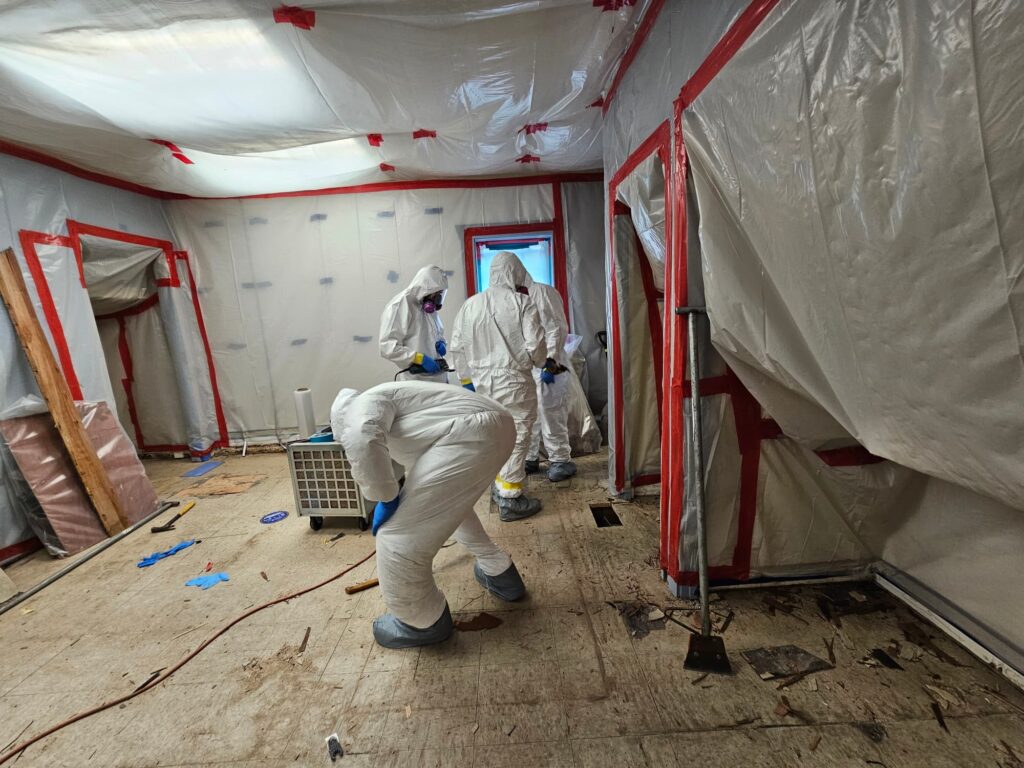
- Containment and safety protocols: If remediation is required, implementation of industry-standard containment, HEPA filtration, and safety measures (especially important if renovations are planned or asbestos concerns exist).
- Coordination with permitting and regulatory agencies when asbestos or other regulated hazards are identified during inspection.
Rapid Response’s public materials emphasize that inspections connect to their remediation workflow when problems are found: they can move from assessment to containment and remediation, provide documentation for real estate negotiations and insurance claims, and manage permitting if hazard abatement is needed.
How a Pre-Purchase Mold Inspection Works Step-by-Step with Rapid Response
Here is a buyer-focused walkthrough of how Rapid Response typically executes pre-purchase mold inspections and follow-up actions. This step-by-step breakdown is consistent with the company’s service descriptions for restoration and mold remediation:
- Step 1 — Schedule an No-Obligation Assessment: Contact Rapid Response to arrange a site visit; they offer clear communication about availability and scope and commonly service Grand Junction neighborhoods quickly due to local presence.
- Step 2 — On-Site Visual and Diagnostic Inspection: Technicians arrive and perform a visual survey, moisture measurement, and targeted thermal imaging where leaks or past water damage are suspected.
- Step 3 — Optional Sampling: If the visible evidence or homeowner/agent concerns warrant, Rapid Response can collect air and surface samples to quantify mold levels for lab analysis.
- Step 4 — Written Report & Remediation Estimate: Buyers receive a clear written report that summarizes findings, identifies affected areas, and provides a recommended remediation plan and cost estimate useful for negotiations or repair conditions in purchase contracts.
- Step 5 — Remediation & Verification: If remediation is needed, Rapid Response can perform containment, removal, and cleaning to industry standards, followed by clearance testing or verification to confirm successful remediation and safe occupancy.
Practical Examples and Casework — What Rapid Response Handles Locally
Rapid Response’s service pages and company overview highlight common real-life scenarios they handle across Grand Junction, Delta, Montrose and nearby communities. Examples that illustrate what buyers should expect include:
- Hidden mold from past water intrusion: Homes with prior roof leaks, plumbing failures, or foundation water that created mold growth concealed behind drywall or insulation—Rapid Response specializes in locating these hidden pockets and producing remediation plans.
- Mold triggered by HVAC or dryer vent issues: Improperly vented dryers and HVAC condensation can create recurring damp spots—technicians inspect ducts and vents as part of a thorough pre-purchase check.
- Post-flood or water-damaged properties: For homes with documented water events, Rapid Response combines moisture mapping and mold testing to determine the extent of contamination and the needed remediation steps.
These examples reflect the practical, restoration-driven experience Rapid Response brings to pre-purchase inspections and explain why buyers who identify possible water history should include mold evaluation in their contingency checklist.
What Buyers in Grand Junction Should Ask Rapid Response Before Scheduling
To ensure you get a thorough, actionable inspection that supports real estate decisions, ask Rapid Response the following:
- What certifications and licenses do your mold inspectors hold, and can you provide documentation?
- Do you offer air and surface sampling and, if so, what labs do you use for analysis?
- Will you provide a detailed written report and remediation estimate suitable for a purchase contingency?
- How quickly can you perform an inspection and deliver results—what is your typical turnaround time in Grand Junction?
- Do you perform clearance testing after remediation and provide verification acceptable to lenders or buyers?
- Can you coordinate with buyers’ or sellers’ insurance carriers and provide documentation they require for claims?
Rapid Response advertises quick response times in Grand Junction, licensed technicians, and experience working with insurance—features that support positive answers to these buyer questions. Confirm all specifics in writing before scheduling an inspection so that reports meet the needs of your real estate transaction.
How Pre-Purchase Mold Inspections Strengthen Your Negotiation Position
A professional mold inspection from a reputable local company like Rapid Response provides objective evidence you can use during negotiations and protects your investment. Documented findings can:
- Support requests for repair or remediation costs to be credited at closing
- Be used to renegotiate price if remediation is extensive
- Create a documented remediation timeline and scope that can be added to the purchase contract
- Protect you from future surprises by requiring clearance testing as a condition of sale
Rapid Response’s combined services—inspection, remediation, and documentation—make them a single-source option for buyers who want assessment plus the ability to immediately resolve discovered issues with an experienced local contractor.
Local Knowledge: Grand Junction Neighborhoods and Features Relevant to Mold Risk
Local geographic and housing factors shape moisture and mold risk. Rapid Response’s service area and local experience cover Grand Junction neighborhoods and nearby communities where buyers commonly shop for homes:
- Downtown Grand Junction and the Redlands—older homes can have legacy plumbing and foundation concerns that lead to hidden moisture.
- Bingham Hill and Hillcrest neighborhoods—sloped lots and historic builds may present unique drainage and attic ventilation issues.
- Areas near the Colorado River and parks like Las Colonias Park—proximity to water features and irrigation can raise local humidity pockets, especially in basements and landscaping-adjacent crawlspaces.
- Fruita and Clifton—properties on irrigated agricultural perimeters sometimes face subsurface moisture intrusion or foundation settlement causing water entry points.
- Properties near Grand Junction Regional Airport or major corridors such as US-50—older construction along commuter routes may have deferred maintenance creating unseen moisture problems.
Rapid Response’s coverage of Grand Junction, Delta, Montrose, Fruita, Clifton, and Redlands gives them local insight into recurring building conditions and common water-related issues across these neighborhoods.
Mold Testing: What It Does and What It Doesn’t Do
Mold testing is a diagnostic tool, not a standalone solution. When Rapid Response recommends sampling, the goals are to document conditions, identify problematic species if present, and help determine whether levels and types of mold require remediation or containment. Important realities buyers should understand:
- Testing establishes a baseline—air and surface samples compare indoor counts to outdoor baselines to determine abnormal concentrations.
- Not all molds are equally hazardous—species identification can indicate whether a particular organism is commonly associated with health risks or structural decay, but clinical health conclusions require medical advice.
- Testing without targeted inspection may miss hidden sources—Rapid Response pairs testing with moisture detection and visual inspection to find the source, not just measure spores in the air.
- Clearance testing verifies successful remediation—if remediation is performed, post-remediation tests confirm the space meets acceptable spore counts for re-occupancy.
Buyers should view testing as part of a full investigative process. Rapid Response’s integrated approach—inspection, sampling (when appropriate), remediation, and clearance—helps ensure testing leads to actionable remediation rather than ambiguous results.
Red Flags That Mean You Should Insist on an Inspection
When touring properties in Grand Junction, watch for these telltale signs that a pre-purchase mold inspection is prudent:
- Musty or moldy odors in basements, utility rooms, or closets
- Visible staining on walls, ceilings, baseboards, or around windows
- Evidence of past water events—discoloration, warped floors, replaced drywall patches
- Poorly vented bathrooms, kitchens, or dryer installations
- Condensation on windows or walls during cooler nights
- History of roof, plumbing, or foundation repairs disclosed by the seller
If you encounter one or more of these red flags, schedule a prompt inspection. Rapid Response highlights fast arrival capability within Grand Junction and surrounding communities—an important advantage for time-sensitive real estate transactions.
Cost Considerations: What Buyers Should Budget For
Inspection pricing varies based on home size, whether sampling is required, and the depth of moisture mapping. Typical factors that affect cost when working with Rapid Response or similar restoration firms include:
- Basic visual inspection vs. inspection plus sampling
- Number of samples (air and/or surface), and lab fees for analysis
- Complexity of access (attic, crawlspace, or sealed areas requiring special entry)
- Urgency—rush turnaround for expedited reports increases cost
Should remediation be needed, costs escalate depending on affected area square footage, containment requirements, removal of building materials, and whether regulated hazards such as asbestos are discovered. Rapid Response’s service descriptions note that they provide clear written plans and estimates—critical for buyers to use in negotiations or to secure funds at closing. Always request a written estimate in advance and confirm whether the inspection fee is separate from any future remediation contract to avoid conflicts of interest.
How Rapid Response Handles Remediation When an Inspection Finds Problems
If a pre-purchase inspection reveals mold that requires removal, Rapid Response’s remediation workflow follows industry best practices designed to protect occupants and property value. Steps typically include:
- Containment: Isolating affected areas using negative air or physical barriers to prevent cross-contamination.
- HEPA filtration: Using HEPA air scrubbers to capture airborne spores during remediation.
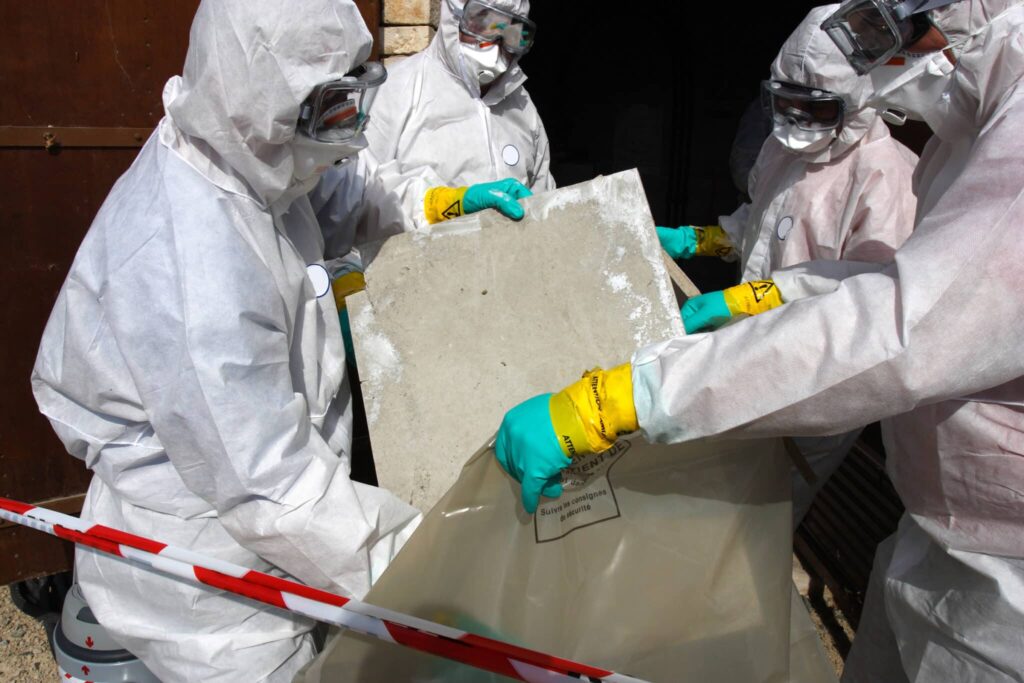
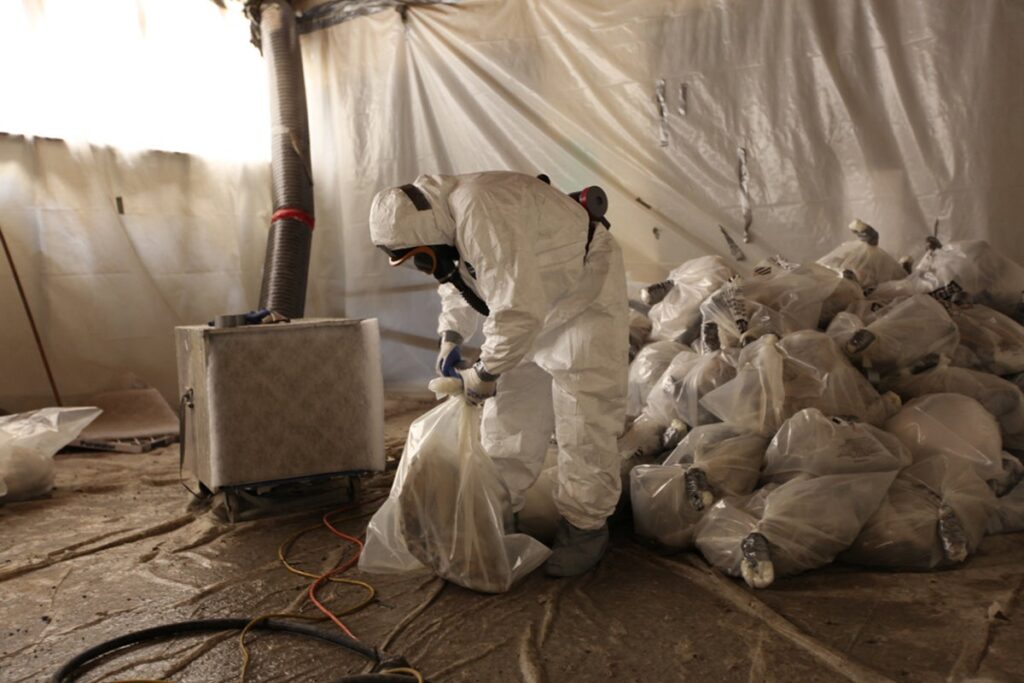
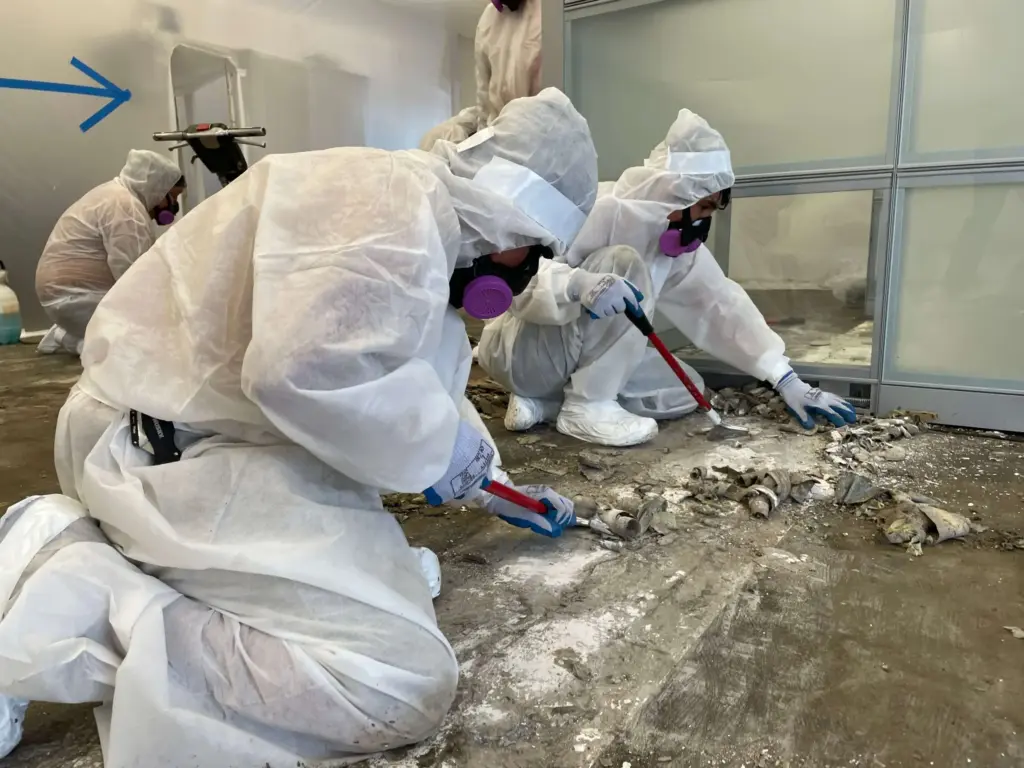
- Safe removal of damaged materials: Removing and legally disposing of contaminated drywall, insulation, framing, or flooring when necessary to reach clean substrate.
- Cleaning and disinfection: HEPA vacuuming, antimicrobial cleaning, and surface encapsulation where appropriate.
- Moisture source repair: Working with plumbers, roofers, or contractors to correct the underlying water intrusion to prevent recurrence—Rapid Response coordinates permitting and repairs when asbestos or other regulated materials must be addressed.
- Clearance verification: Post-remediation testing to confirm acceptable spore counts and safe re-occupancy.
Because Rapid Response offers end-to-end restoration, buyers who choose them for inspection have the option to retain the same firm for remediation—useful when timelines are tight and consistency of documentation matters for the sale.
Independence and Conflict of Interest: What Buyers Should Know
A key question in real estate transactions is independence—can the same company inspect and then profit from remediation? Best practices recommend that buyers clearly document whether the inspection company also performs remediation and understand how fees and contracts are structured. Rapid Response positions itself as a restoration contractor able to inspect and remediate; buyers should ask whether inspection reports are unbiased and whether inspection engagement terms commit the buyer to remediation work. Getting the inspection in writing, including sampling methodology and lab credentials, helps maintain transparency and protects buyer interests.
How to Book a Pre-Purchase Mold Inspection with Rapid Response
To schedule, contact Rapid Response via their local office in Grand Junction. Provide the property address, any known water damage history, preferred inspection windows, and whether you want sampling included. Ask for a written scope and estimated turnaround time for the written report. Rapid Response advertises fast local response times (often under an hour for emergency work and prompt arrival for scheduled inspections), making them a practical choice for tight real estate timelines.
For convenience and site navigation, start at the company homepage and then schedule an inspection request; a clear link to the home page is available for buyers who want to learn more about services and coverage across Western Colorado. Rapid Response Grand Junction Home Page – Restoration & Mold Services – Trusted Local Experts
For additional context about their mold remediation capabilities and specific service area information—Grand Junction, Delta, and Montrose—Rapid Response’s dedicated service page provides helpful detail and examples. The Rapid Response mold remediation page explains inspection, containment, and remediation procedures and regional coverage
Building a Mold Contingency Clause in Your Purchase Contract
When a pre-purchase inspection identifies problems or uncertainty, include a well-crafted mold contingency in your purchase contract. A strong clause should allow the buyer to:
- Order a professional mold inspection and sampling within a specified timeframe
- Receive a written report and cost estimate for remediation
- Negotiate repairs, price adjustments, or seller-funded remediation based on the report
- Require clearance testing before closing to confirm remediation success
- Walk away and recover earnest money if remediation cannot be completed to agreed standards
Rapid Response’s inspection reports and remediation estimates are typically suitable to support such contractual contingencies because they provide documented scopes, cost estimates, and verification testing options.
Health Considerations and When to Consult a Medical Professional
Mold exposure can aggravate asthma, allergies, and other respiratory conditions. While inspection and testing identify environmental risks, medical professionals should address individual health concerns. If occupants report symptoms like persistent coughing, wheezing, headaches, or unexplained allergic reactions, buyers should consult a physician and consider immediate indoor air quality testing as part of the inspection process.
Why Local Expertise Matters: Rapid Response’s Regional Advantage
Local companies understand the interaction between Colorado’s seasonal weather patterns, irrigation practices, and local building practices. Rapid Response’s emphasis on serving Grand Junction and neighboring communities—Delta, Montrose, Fruita, Clifton, and Redlands—means their technicians know common moisture sources, attic ventilation concerns, and how local landscaping or foundation types can create hidden moisture. That local knowledge helps them prioritize inspection areas and advise buyers on realistic remediation expectations and cost ranges for the region.
Common Misconceptions About Mold and Home Buying
Several myths can mislead buyers. Rapid Response’s educational materials and service FAQs address these misconceptions directly:
- Myth: Mold only grows in humid climates. Reality: Indoor moisture from leaks, past flooding, or poor ventilation creates mold-friendly conditions even in Grand Junction’s drier climate.
- Myth: All mold is toxic. Reality: Many molds are common and not necessarily hazardous at low indoor concentrations, but some species and high concentrations merit remediation.
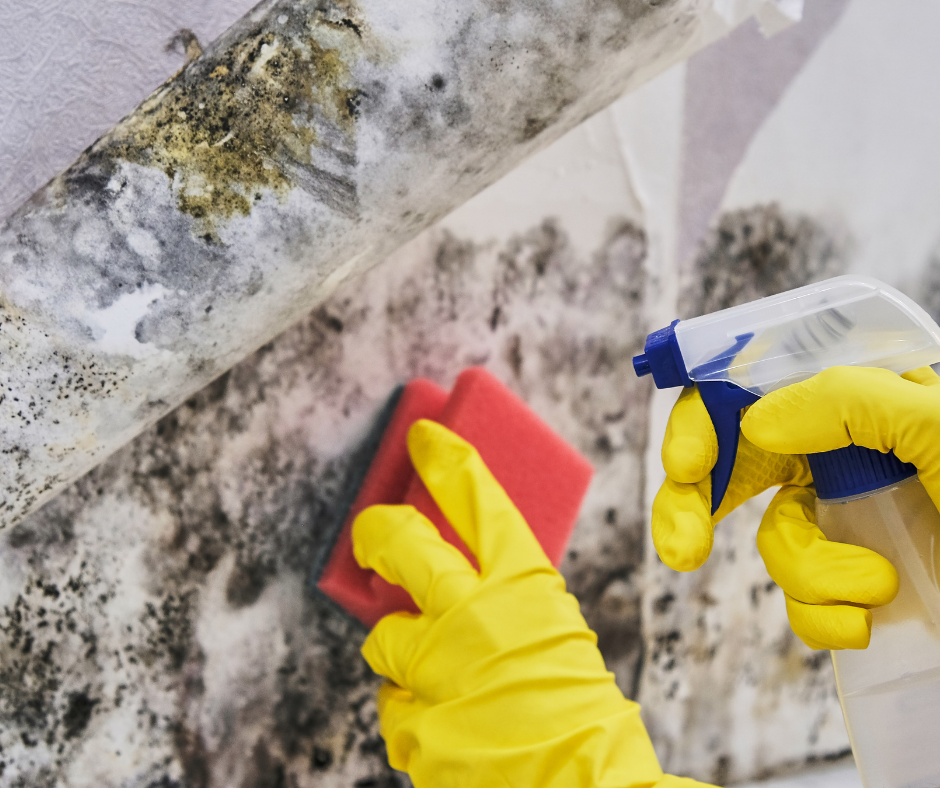
- Myth: Bleach fixes mold. Reality: Surface cleaning may remove visible staining, but embedded mold in building materials often requires removal and remediation to prevent recurrence.
Understanding these nuances helps buyers make informed decisions about inspection, testing, and remediation rather than relying on quick fixes or assumptions.
Transparency and Documentation: What You Should Expect in the Report
A high-quality inspection report from Rapid Response should include:
- A clear executive summary of findings and severity
- Photographs of affected areas and moisture readings
- Results of any air or surface sampling and lab analysis
- A recommended scope of remediation with containment strategy and materials to be removed or cleaned
- Estimated timeline and itemized cost estimate
- Recommendations for preventing recurrence (ventilation improvement, roof/plumbing repairs)
These elements are useful in contract negotiations and provide objective documentation that lenders, insurers, and buyers can rely upon.
Case Study Snapshot: How an Inspection Helped a Buyer in Grand Junction
Scenario: A buyer touring an older home near Las Colonias Park noticed a musty odor in the lower level and minor staining near a bathroom. Rapid Response performed a pre-purchase inspection that included moisture mapping and three air/surface samples. The report identified elevated spore counts in the lower level, moisture intrusion from a failed shower pan, and isolated mold growth in the subfloor and behind a vanity.
Outcome: Rapid Response provided a written remediation scope and estimate that the buyer used to negotiate a seller-funded remediation allowance. Rapid Response completed contained removal, replaced the damaged subfloor and vanity, remediated affected framing, and performed clearance testing that confirmed acceptable air quality levels prior to closing. The buyer completed the purchase with documentation showing the issue resolved and verified by post-remediation testing.
This example demonstrates how a rapid, thorough inspection and a vendor capable of remediation can preserve a sale while protecting the buyer from long-term risk.
Limitations and When to Seek Additional Experts
While Rapid Response provides comprehensive restoration and remediation, complex legal, structural, or medical questions may require additional professionals:
- Structural engineers for foundation compromises that led to chronic moisture
- Environmental hygienists for complex indoor air quality interpretation beyond standard sampling
- Occupational or medical experts for health-related exposure interpretation
Buyers should treat the mold inspection as one important piece of the overall due diligence, to be used in concert with general home inspections, pest inspections, and specialized evaluations when warranted.
Preparing the Property for an Inspection
To make a mold inspection efficient and thorough, buyers (or sellers) should prepare the property:
- Provide access to all areas: attics, basements, crawlspaces, utility closets, and HVAC closets.
- Have documentation of past water events, repairs, or insurance claims handy.
- Turn off HVAC if sampling is scheduled so technicians can capture representative air samples when required.
- Note visible problem areas and report musty odors or symptoms to the inspector.
These preparations help Rapid Response perform efficient moisture mapping and targeted sampling when necessary.
How Rapid Response Communicates Findings and Works With Real Estate Professionals
Rapid Response’s process supports real estate timelines: inspectors deliver written reports and remediation estimates that agents and attorneys can use to frame repair negotiations or contract contingencies. Their experience coordinating with insurance carriers and regulatory agencies (when asbestos is present) helps smooth multi-stakeholder transactions and keeps buyers informed with documentation lenders and insurers accept.
Why Choosing a Local, Licensed Company Matters
Local licensing, experience, and a long track record are central to establishing trust in pre-purchase inspections. Rapid Response’s emphasis on certified technicians, 30+ years of service in the region, and a business model built on repeat clients and referrals provides strong EEAT signals for buyers seeking reliable local expertise. Local companies also provide faster response times—a practical advantage during contract contingency windows.
Next Steps for Buyers: A Checklist
If you’re actively purchasing in Grand Junction, use this checklist to incorporate a Rapid Response pre-purchase mold inspection into your process:
- Schedule inspection early in the contingency window and provide property access details.
- Request a written scope that includes sampling options and lab turnarounds.
- Ask for itemized remediation estimates usable in negotiations.
- Confirm turnaround times for clearance testing if remediation is performed.
- Document all findings and ensure the contract includes any required clearance or remediation verification prior to closing.
Internal Links to Improve Site Navigation
For more detailed information about services, processes, and local coverage, visit Rapid Response’s detailed service page for mold remediation in Western Colorado. Rapid Response Mold Remediation Services in Grand Junction, Delta & Montrose – Inspection and Remediation by Local Experts
To learn about Rapid Response’s full range of restoration services, or to request scheduling and contact details, start at the company homepage. Rapid Response Grand Junction Home Page – Restoration & Mold Services – Trusted Local Experts
Frequently Asked Questions
Can Rapid Response perform mold inspections for buyers before closing on a house in Grand Junction?
Yes. Rapid Response provides pre-purchase mold inspections in Grand Junction and nearby communities. Their inspections typically combine a visual assessment, moisture detection, and optional air and surface sampling. The company emphasizes quick response times in the region and provides written reports and remediation estimates suitable for use in purchase contingencies, allowing buyers to negotiate repairs, credits, or seller-funded remediation before closing.
What certifications and licenses does Rapid Response have for mold inspections and remediation?
Rapid Response advertises that their technicians are certified and licensed to perform mold remediation and restoration work. They operate with licensed technicians experienced in water, mold, fire, and smoke restoration, and they emphasize a satisfaction guarantee for projects. Buyers should request copies of specific certifications and licensing credentials prior to work to verify qualifications and ensure the inspection meets lender or local regulatory requirements.
How quickly can Rapid Response do an inspection and deliver a written report for real estate contingencies?
Rapid Response is locally based in Grand Junction and highlights fast response capabilities, often arriving on-site within an hour for emergencies and providing prompt service for scheduled inspections. Report turnaround depends on whether sampling is performed and lab analysis is required; simple visual and moisture inspection reports can often be delivered within 24–72 hours, while lab-based sampling results may take longer. Confirm turnaround and sampling details when scheduling to meet purchase contingency deadlines.
Does Rapid Response offer air and surface sampling to support a pre-purchase inspection?
Yes. Rapid Response includes sampling when indicated to quantify mold spore levels and identify species, which helps determine whether remediation is necessary. Sampling typically involves collecting indoor air samples and surface swabs or tape lifts and comparing indoor counts to outdoor baselines. Buyers should ask which accredited lab Rapid Response uses and request copies of lab results as part of the inspection report.
If the inspection finds mold, can Rapid Response also perform the remediation before closing?
Yes. Rapid Response provides end-to-end services—from inspection to containment, remediation, and clearance testing. That integrated service can accelerate remediation and provide consistent documentation for the sale. Buyers should request an itemized remediation estimate and verify that the inspection fee is separate from remediation costs, to maintain transparency and avoid any appearance of conflict of interest in the transaction.
What does a remediation plan from Rapid Response typically include after inspection?
A typical remediation plan includes a scope of work that identifies affected areas and materials, containment strategies to prevent cross-contamination, HEPA filtration and air scrubbing, removal and legal disposal of contaminated materials, cleaning and disinfection protocols, moisture source repairs, and post-remediation clearance testing. The plan should also include an estimated timeline and an itemized cost estimate that can be used in negotiations or insurance claims.
How much does a pre-purchase mold inspection cost with Rapid Response in Grand Junction?
Costs vary by property size, inclusion of sampling and lab fees, and complexity of access. A basic visual inspection without sampling is typically less expensive than an inspection that includes multiple air and surface samples and lab analysis. If remediation is required, costs increase by the scope of affected materials, containment complexity, and any regulated hazard abatement. Buyers should obtain a written estimate before scheduling to budget and use in negotiations.
Will Rapid Response provide clearance testing after remediation so I can show the lender and seller the issue was resolved?
Yes. Rapid Response performs post-remediation verification testing (clearance testing) to confirm that spore counts and affected areas meet acceptable standards before re-occupancy. Clearance testing provides the documentation lenders, sellers, and buyers often require to confirm successful remediation. Be sure to include clearance testing requirements in your purchase contract if remediation is part of the transaction.
Are Rapid Response’s mold inspection reports suitable for use in contract negotiations and insurance claims?
Yes. Rapid Response prepares written reports and remediation estimates designed to be used with real estate transactions and insurance claims. Their familiarity with insurance processes and documentation helps create reports that insurers and agents accept. Buyers should confirm the report contents and request copies of any lab data or photographs to ensure full transparency for negotiations and claims.
What neighborhoods and communities does Rapid Response serve around Grand Junction?
Rapid Response services Grand Junction and the surrounding Western Colorado region, including Delta, Montrose, Fruita, Clifton, and Redlands. Their local experience covers neighborhood building types and regional moisture patterns, which helps them prioritize likely inspection areas and tailor remediation plans to local conditions. Buyers purchasing in Grand Junction’s neighborhoods—Downtown Grand Junction, the Redlands, Bingham Hill, or near Las Colonias Park—will find Rapid Response familiar with common local water and mold issues.
Conclusion: Should You Use Rapid Response for a Pre-Purchase Mold Inspection?
If you’re buying property in Grand Junction or nearby Western Colorado communities, Rapid Response presents a credible local option for pre-purchase mold inspections. Their combination of 30+ years of local restoration experience, certified technicians, quick regional response, and integrated remediation services makes them well-suited to provide actionable inspection reports, remediation scopes, and clearance testing that support real estate transactions. To protect your investment, schedule an inspection early in the contingency period, request a clear written scope, and confirm sampling, lab, and reporting timelines to ensure the inspection meets your contract and lender requirements.
Contact Rapid Response through their homepage to request scheduling and more details about inspection packages, certifications, and local availability. Rapid Response Grand Junction Home Page – Restoration & Mold Services – Trusted Local Experts