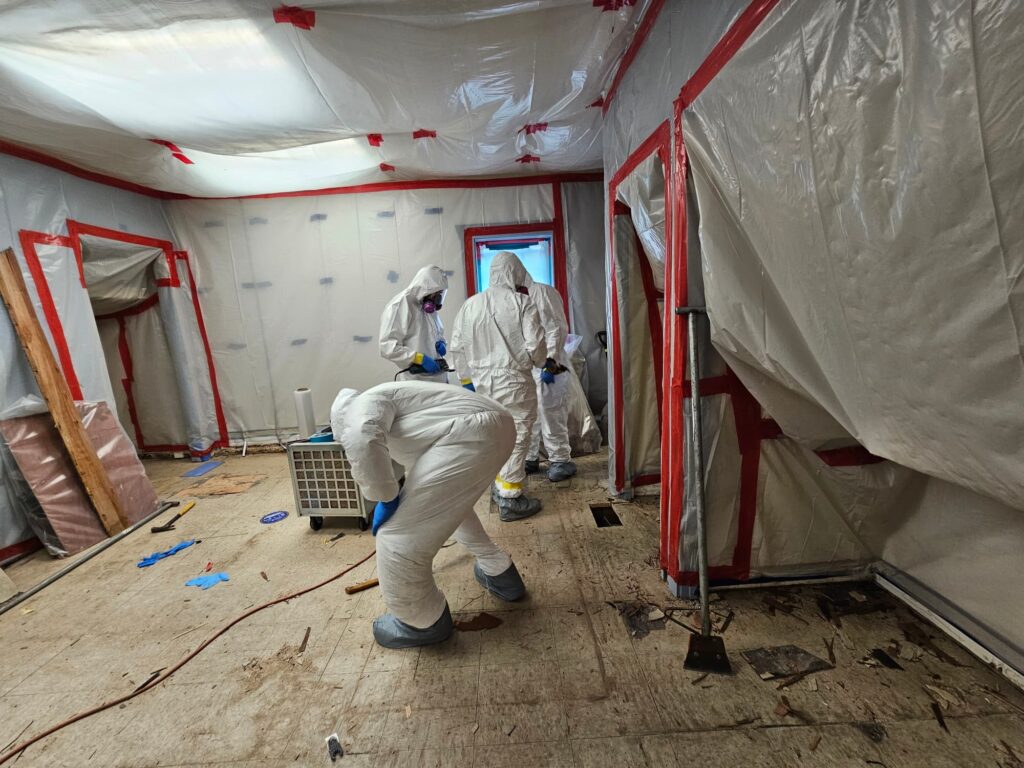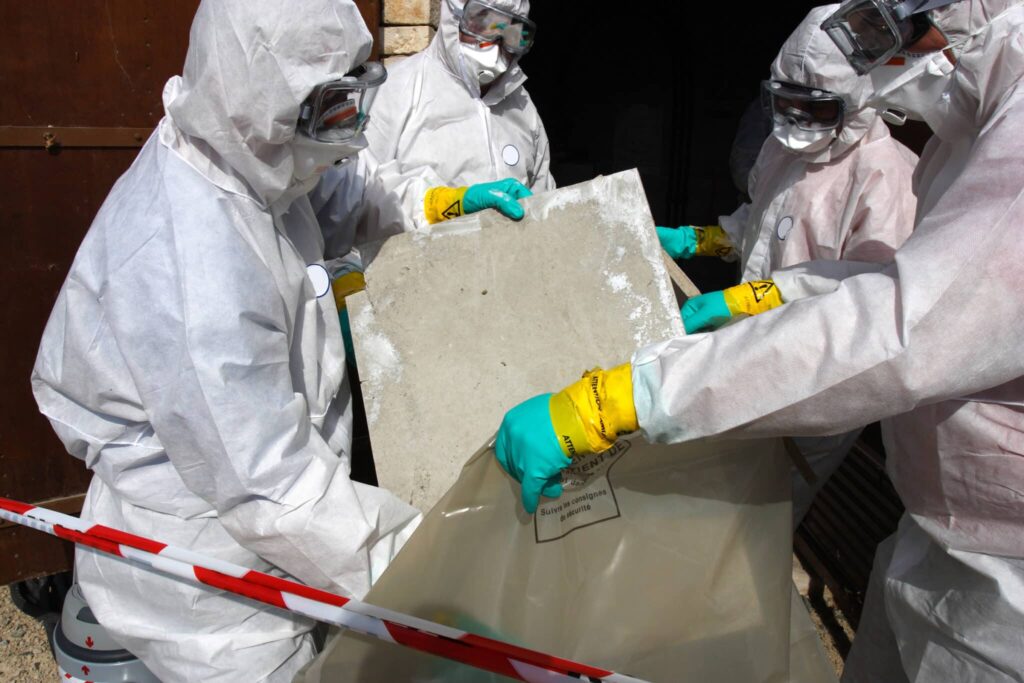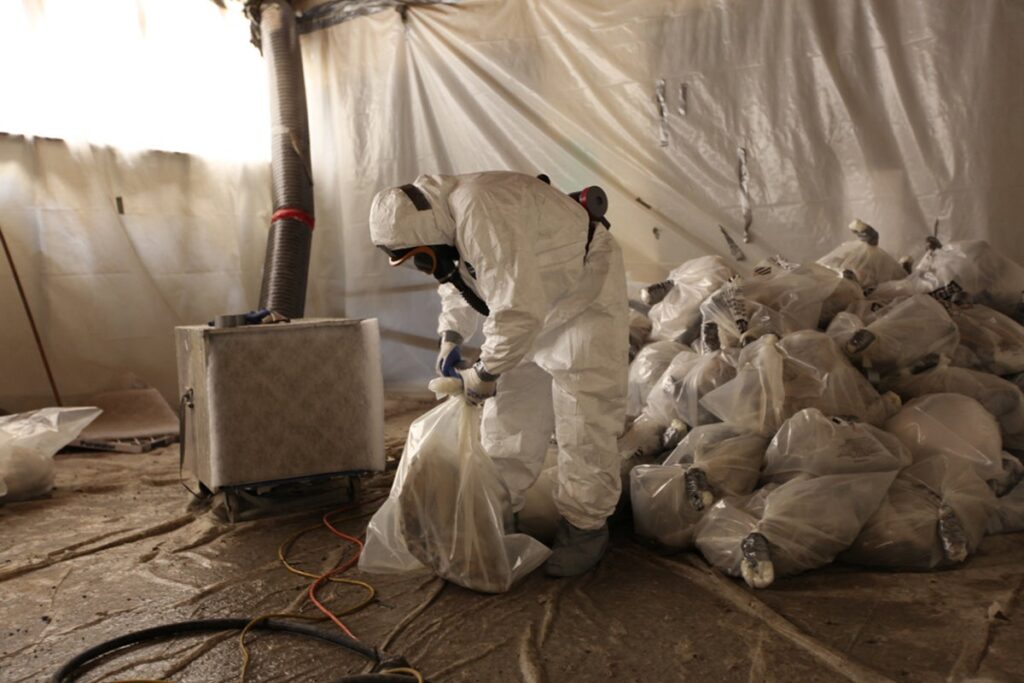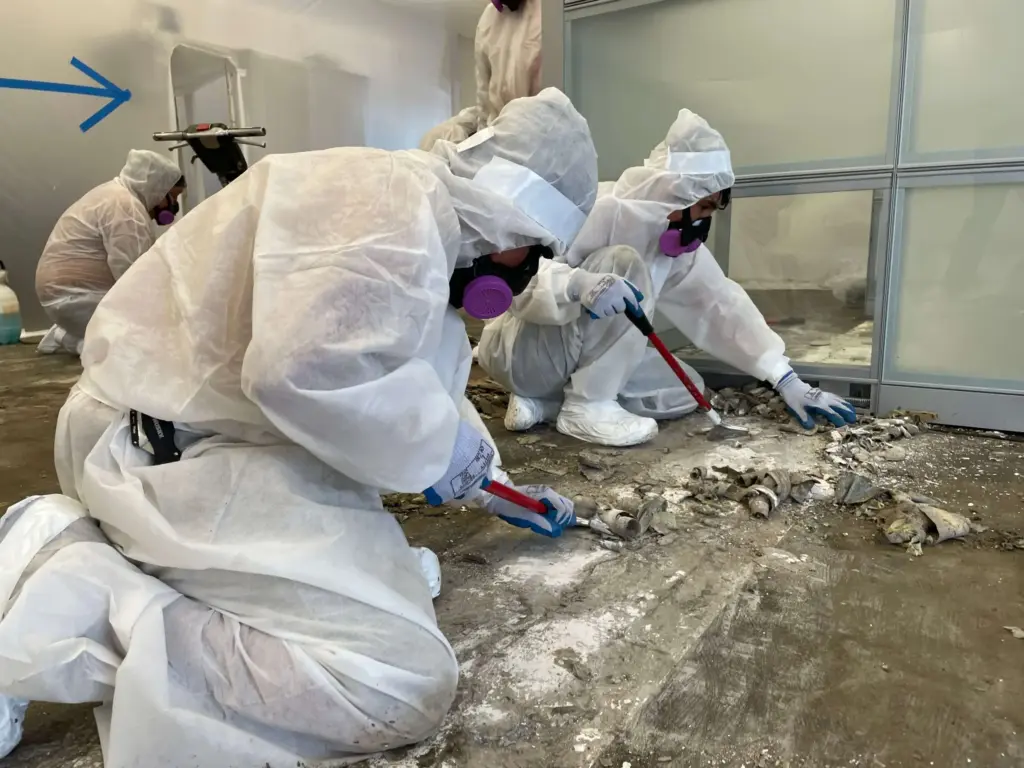
How much does commercial water damage restoration cost in Grand Junction with Rapid Response? Below you’ll find a detailed, experience-based breakdown of typical costs, what drives price variation, real Rapid Response service details from Grand Junction, and practical guidance for minimizing downtime and expense when your business faces water damage.
Rapid Response is a locally based, family-run restoration company serving Grand Junction and Western Colorado with more than 30 years of experience in commercial water damage restoration, staffed by IICRC-certified technicians and operating 24/7 to reduce downtime and restore properties after incidents ranging from burst pipes and sprinkler failures to storm flooding and sewer backups. Rapid Response emphasizes fast arrival times (typically within 30 minutes to 4 hours in the Grand Junction area) and full-service restoration including extraction, drying, sanitizing, moisture detection, and insurance coordination, all of which influence total project cost and timeline.
Why a precise cost estimate matters
Commercial water damage restoration costs vary widely because commercial properties come in many sizes, use diverse building systems, and face different business-continuity needs. A rough flat fee rarely captures the scope of work: mitigation, structural drying, controlled demolition, content handling, reconstruction, and specialty services (like mold remediation, HVAC sanitation, or electronics recovery) each add separate line items. Rapid Response’s approach is to perform a full on-site assessment, document damage for insurance, and produce a tailored scope and estimate so owners can make informed decisions about mitigation versus reconstruction.
Typical commercial restoration cost components
- Emergency mobilization and assessment — Rapid on-site arrival to stop water intrusion, assess damage, and establish containment and drying strategy. Emergency response reduces long-term cost by limiting secondary damage.
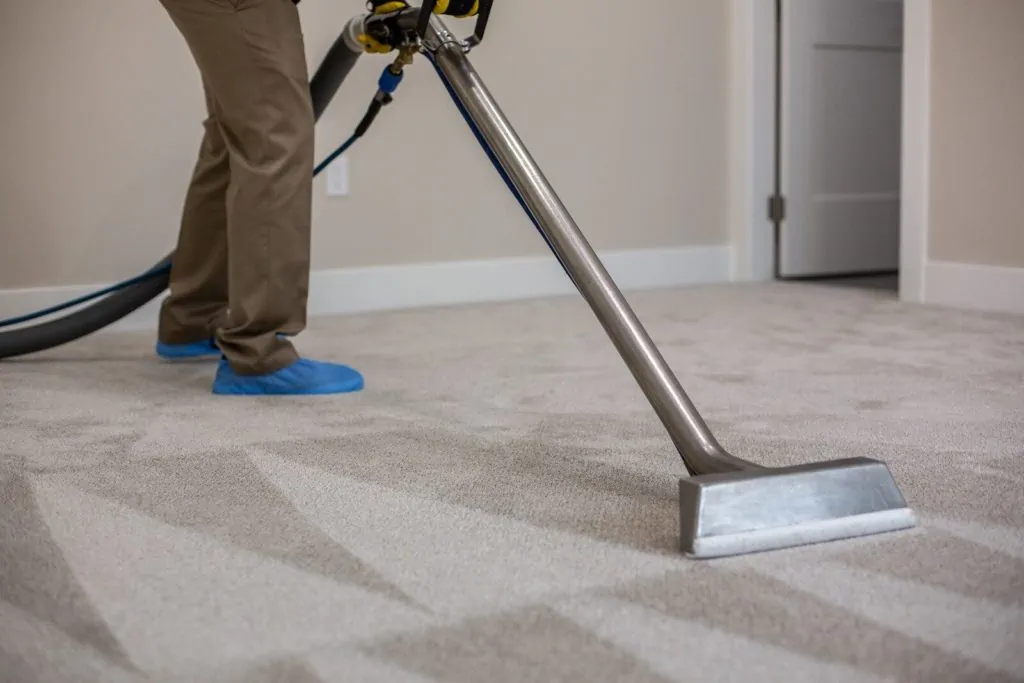
- Water extraction — High-capacity pumps and truck-mounted extractors to remove standing water and minimize soaked materials.
- Moisture mapping and monitoring — Electronic moisture meters, thermal imaging, and logging instruments to guide drying plans and verify dryness.
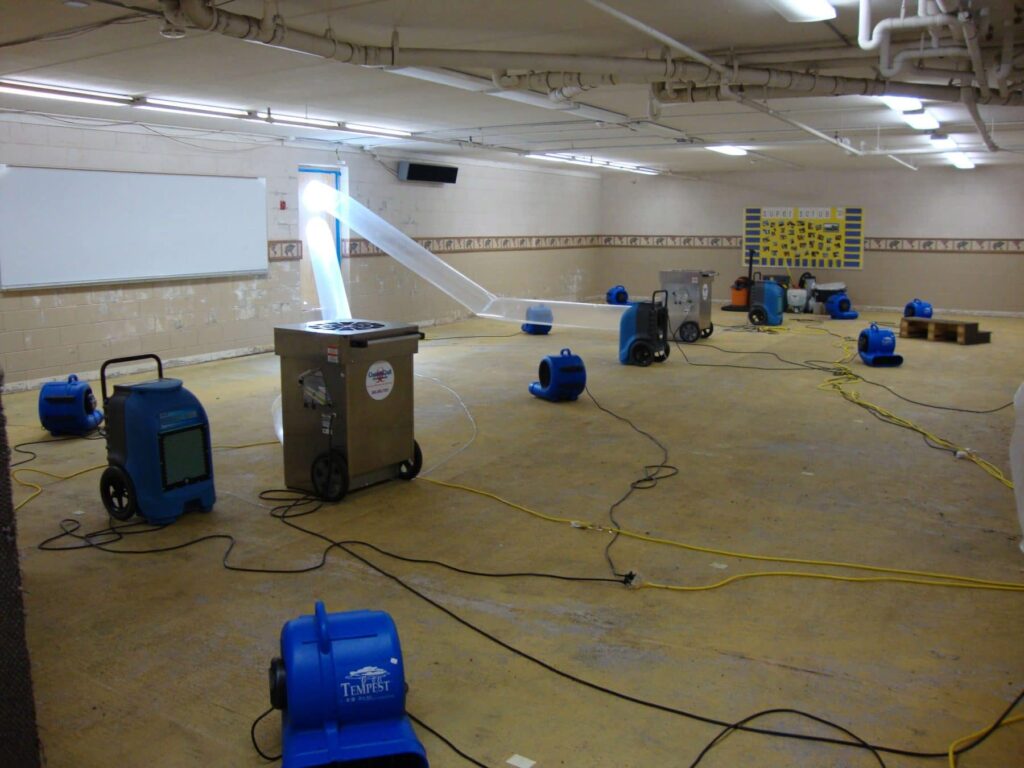
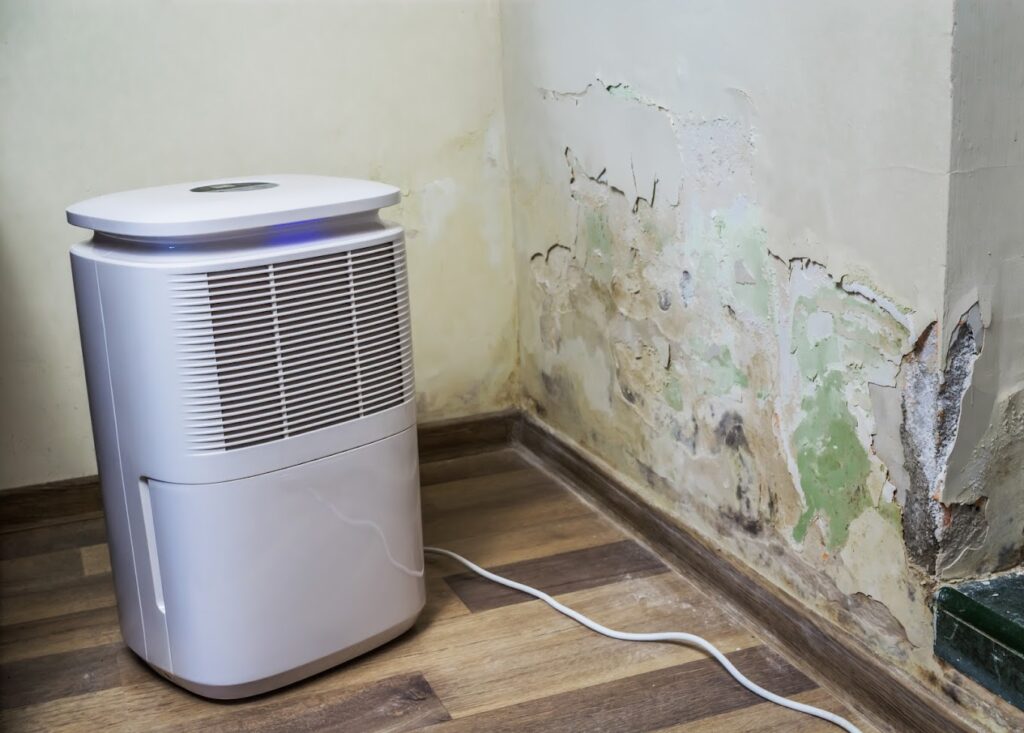
- Structural drying and dehumidification — Commercial air movers, desiccant or refrigerant dehumidifiers sized to the space volume and water class.
- Content handling and pack-out — Inventory, cleaning, and secure storage or on-site content drying for equipment, inventory, and furniture.
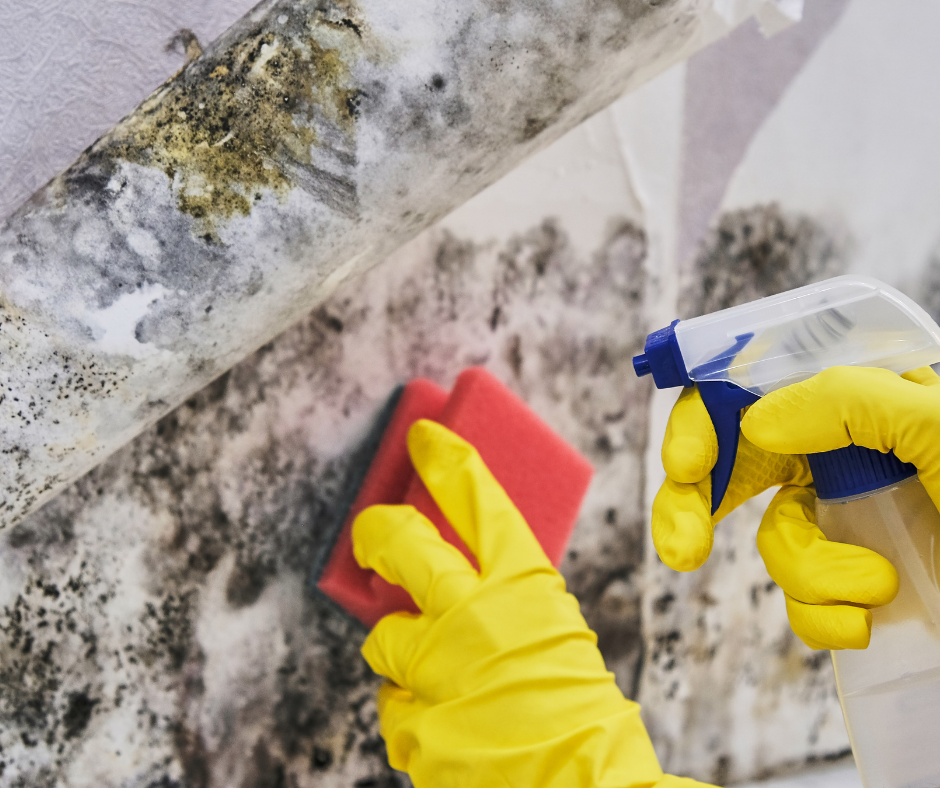
- Cleaning and sanitization — Antimicrobial treatments, odor control, HVAC sanitation, and specialized cleaning for food service or healthcare facilities.
- Demolition and controlled tear-out — Removal of unsalvageable finishes, insulation, cabinetry, or flooring, and proper disposal.
- Repairs and reconstruction — From minor repairs to full build-back, often coordinated with subcontractors and permitting.
- Project management and insurance coordination — Documentation, communication with adjusters, and progress reporting to keep claims moving.
Local response and capabilities that affect cost
Rapid Response advertises IICRC-certified technicians and a family-run operation rooted in Grand Junction, which results in faster local response and region-specific know-how that can reduce time on site and overall cost. Their service area covers Grand Junction and Western Colorado communities such as Fruita, Clifton, Redlands, Delta, and Montrose — proximity to the event affects travel and mobilization costs and usually means most Grand Junction jobs receive response times under an hour, with advertised windows from 30 minutes to 4 hours depending on location and conditions.
Because Rapid Response handles both mitigation and reconstruction, many projects avoid markups from third-party contractors and benefit from a single project-management point of contact — a factor business owners should ask about when comparing estimates.
Estimated price ranges for Grand Junction commercial jobs
Commercial water damage projects in Grand Junction commonly fall into three cost tiers depending on severity, affected area, water class, and whether reconstruction is required. The examples below are based on common industry scopes and Rapid Response’s publicly described services and response patterns; each job requires an on-site estimate for an accurate figure.
- Minor commercial water intrusion (mitigation only): Small office or retail space with limited carpet saturation, quick extraction, and targeted drying. Typical mitigation-only costs often range from a few hundred to a few thousand dollars, often roughly $1,000–$5,000 depending on square footage and access.
- Moderate commercial damage (mitigation + partial repairs): Larger retail spaces, restaurants, or professional suites that need extraction, extended drying, microbial control, and some controlled demolition or repair of flooring/wall finishes. These jobs commonly range from $5,000–$25,000 depending on affected area and the need for specialty services such as HVAC sanitation or food-safety cleaning.
- Severe commercial losses (full mitigation + reconstruction): Warehouses, multi-tenant buildings, or facilities with structural damage, heavy content loss, or long-duration standing water. Full-scale projects with reconstruction can range from $25,000 to $100,000+ depending on square footage, equipment/electrical/mechanical repair needs, code upgrades, and business interruption considerations.
Note: These ranges are illustrative. Rapid Response’s exact quoted price will depend on the on-site assessment and documented scope of work. Their public materials state that they tailor restoration plans to the property and industry to reduce downtime and deliver cost-effective solutions, which means two superficially similar properties can receive very different estimates when factors like inventory value, critical systems, and tenant impacts differ.
Cost drivers — what makes a job more expensive
- Water category and contamination — Clean water from a supply line generally costs less to remediate than graywater (appliance or HVAC discharge) or blackwater (sewage/storm floodwater). Blackwater requires additional safety, disposal, and antimicrobial treatments, raising costs significantly.
- Square footage and building height — Larger areas and multi-story spaces need more equipment, longer drying times, and often lift or access equipment.
- Porous materials and finish types — Hardwood, plaster, and insulation often require more invasive work than vinyl or tile floors because of wicking and hidden moisture.
- Contents and specialized equipment — Commercial HVAC, kitchen equipment, IT servers, or high-value inventory require specialized pack-out, cleaning, and potentially third-party vendors.
- Business continuity requirements — If sections of the facility must remain operational (retail stores, medical clinics, restaurants near Grand Junction Regional Airport or on Main Street), projects need phased work and night/weekend crews, increasing labor costs.
- Access, permits, and restoration timeline — Jobs that require immediate 24/7 work, city permits, or coordination with regulatory agencies (for healthcare, food service, or schools such as Colorado Mesa University satellite facilities) can extend timelines and costs.
How Rapid Response’s local expertise saves money
Rapid Response’s locally focused model in Grand Junction yields several cost-saving advantages for commercial customers. Faster arrival preserves materials that would otherwise need replacement, reducing reconstruction costs and downtime. Their combined mitigation and rebuild capability reduces coordination delays and contractor markups. The company states it works directly with insurance providers, helping document losses and streamline claims which often decreases out-of-pocket expense for business owners.
Additionally, Rapid Response’s IICRC-certified technicians and use of professional moisture-mapping and logging equipment increase confidence in the drying process and help avoid unnecessary demolition. Proper documentation of drying verification also helps insurance adjusters accept mitigation-only solutions instead of mandating full rebuilds, which is a tangible cost-saving outcome.
Examples and real-world scenarios — Grand Junction contexts
Drawing on Rapid Response’s commercial service descriptions and common Western Colorado scenarios, here are realistic examples you may encounter in Grand Junction and surrounding neighborhoods like Redlands, Fruita, and the downtown core near the Colorado River and Canyon View Park.
- Downtown retail store — burst sprinkler line: A boutique on Main Street experiences a sprinkler rupture after hours. Rapid Response arrives, extracts standing water, sets drying equipment, and performs moisture monitoring. Quick mitigation saves inventory and avoids full replacement of drywall behind displays. Estimated mitigation cost: $4,000–$12,000. Reconstruction (if needed) adds additional line items.
- Restaurant near Patterson Road — grease trap backup: A restaurant suffers a sewer backup into the prep area. Because this is blackwater contamination, additional sanitizing, controlled demolition, and HVAC cleaning are required. Rapid Response coordinates emergency containment and deep cleaning; the higher sanitation standard and business-interruption needs push the total into the $15,000–$40,000+ range.
- Warehouse in Clifton — roof leak & long-duration saturation: Prolonged leak leads to palletized inventory damage and soaked gypsum board. Rapid Response performs large-scale extraction, pack-out of salvageable inventory, and extensive drying. Large square footage and reconstruction needs escalate costs to $30,000–$100,000+ depending on inventory value and structural repairs.
Insurance interaction and how costs are managed
Rapid Response advertises experience working with insurance providers and emphasizes documentation to support claims. For commercial clients, understanding policy limits, sub-limits for specific coverage (e.g., business interruption, contents), deductibles, and the difference between mitigation (often covered) and upgrades or code-required changes (which may not be) is essential to manage out-of-pocket expense.
To improve claim outcomes, Rapid Response documents: initial damage photos, moisture maps, drying logs, equipment placement and run-times, and a detailed scope of work. These records are critical when the insurer reviews whether the chosen mitigation methods were sufficient or whether reconstruction is required. Businesses should obtain a scope of work and estimate from Rapid Response and request that they provide documentation formatted for adjusters.
Time-to-complete and business interruption considerations
Mitigation phases (extraction and drying) often take from a few days to several weeks depending on extent and materials affected. Reconstruction can add weeks to months for significant structural repair. Rapid Response’s goal is to reduce downtime, but owners should plan for phased occupancy, temporary relocation, or staged reopenings in scenarios where safety or code compliance requires closures. Rapid Response’s on-site project managers can coordinate phased restorations to keep critical operations running where possible.
Local permit, code, and regulatory issues
Commercial projects in Grand Junction sometimes trigger building permits or require remediation to current codes during reconstruction. This is common when finishes are removed down to framing or when electrical/HVAC systems are affected. Rapid Response coordinates with regulatory agencies as needed, which can add time and cost but ensures the facility is safe and compliant before occupancy.
Questions to ask Rapid Response during the estimate
- Exactly what is included in the written estimate and what are probable additional line items?
- Which water category was identified and how does that influence sanitation or disposal requirements?
- What is the projected timeline for mitigation and for full rebuild (if needed)?
- Who will handle pack-out, storage, and inventory of commercial contents, and what are the costs?
- Will Rapid Response coordinate directly with our insurer and provide documentation the adjuster requires?
- Which certifications and licenses do the technicians and company hold?
- What warranties or dryness verification will be provided at job completion?
Practical steps to reduce your restoration cost
- Act immediately — Early extraction and drying reduce the need for demolition and the likelihood of microbial growth.
- Isolate the affected area — Shut off HVAC to the zone if contamination is suspected and seal off unaffected areas to reduce drying load and cross-contamination.
- Document everything — Take photographs and inventory damaged assets before movers arrive; this helps with claims and triage.
- Retain one contractor for mitigation and rebuild — Coordinated work reduces change orders and scheduling gaps that can inflate costs.
- Ask for drying verification — Ensure Rapid Response provides documented moisture readings and signed completion reports to avoid future disputes.
Grand Junction-specific considerations (GEO relevance)
Restoration in Grand Junction has unique local factors. Rapid Response operates in neighborhoods and landmarks such as downtown Grand Junction near Main Street, along the Colorado River corridor, Redlands, Fruita, and near Canyon View Park and Mesa State/Colorado Mesa University service areas. Seasonal storms and spring snowmelt can elevate stormwater runoff and sewer surcharge risks, particularly in low-lying commercial strips near the river and in older building districts. Understanding local hydrology and building stock is part of Rapid Response’s local expertise.
Major commercial corridors and nearby features that often appear in project logistics include Patterson Road, North Avenue, Horizon Drive, Hillcrest, the junctions near U.S. Highway 50 and Interstate 70 access points, and shopping centers such as Mesa Mall — all locations where response time, traffic, and local permitting can influence mobilization and schedule. Proximity to these hubs generally results in faster arrival and lower travel costs for Rapid Response than outlying jobs in Delta or Montrose.
Credentials and trust signals from Rapid Response
Rapid Response highlights over 30 years of experience in commercial water damage restoration and the use of IICRC-certified technicians, which are industry-standard credentials for cleaning and restoration professionals. They advertise full licensing, insurance, and adherence to industry guidelines and environmental rules. Rapid Response is family-run and locally based in Grand Junction, which provides community-rooted accountability and repeatable service quality for local businesses.
These trust signals matter: IICRC certification ensures technicians follow established professional standards for inspection, drying, and cleaning; local operation means they understand Grand Junction’s building stock, weather patterns, and regulatory environment; and stated experience with insurance coordination reduces the friction many businesses experience during claims.
How Rapid Response documents and verifies work
Rapid Response’s process includes an initial assessment, moisture mapping, logging of drying equipment and run times, and final verification to demonstrate that structural materials have returned to acceptable moisture levels. The company states it provides full assessment reports and coordinates with regulatory agencies as needed, which is essential for both insurance approval and for giving building owners confidence that remediation was effective. These documented protocols are designed to make the restoration defensible during insurance review and to ensure the property is safe for re-occupancy.
Case study snapshots (based on common Rapid Response service types)
While each commercial job is unique and Rapid Response emphasizes site-specific assessments, the following scenario summaries illustrate typical outcomes for Grand Junction commercial clients.
- Case — Retail storefront in downtown Grand Junction: After a sprinkler line failure overnight, Rapid Response arrived within the local response window, extracted standing water, and installed a drying plan that avoided full wall demolition. The mitigation-only solution saved on total replacement costs and allowed the store to reopen in stages within a week. Key savings: preserved fixtures and reduced reconstruction scope.
- Case — Medical office near Patterson Road: A broken water heater flooded an exam wing. Rapid Response performed emergency extraction, contained the affected wing, sanitized surfaces to healthcare standards, and coordinated with the insurer for a phased rebuild so the rest of the clinic could remain open. Key outcome: minimized patient care disruption and limited business interruption losses.
- Case — Restaurant with sewer backup: Rapid Response responded with blackwater protocols, removed contaminated materials, and executed deep cleaning and HVAC sanitation. Because the work required significant demolition and food-safety verification, the project included specialized vendors and a multi-week closure for final inspections and re-licensing before re-opening.
How to request a cost estimate from Rapid Response
To get an accurate commercial water damage cost estimate, Rapid Response recommends scheduling an on-site assessment. During the assessment, they document the damage, perform moisture measurements, identify the water category, and produce a detailed scope and estimate. Business owners should have their insurance policy information available, a list of affected assets, and access to the affected areas to speed the estimate process.
Rapid Response’s contact options include phone and an online form on their website for scheduling emergency or non-emergency service. Because they are locally based in Grand Junction, the initial on-site arrival is typically under an hour for nearby locations, which helps reduce escalating damage and cost.
Comparing Rapid Response to competitors — what to look for
When comparing bids from Rapid Response and other restoration firms, evaluate:
- Certifications and licenses — IICRC certifications and proper business licensing.
- Scope clarity — A detailed written scope with line items for mitigation, demolition, and reconstruction.
- Documentation practices — Moisture maps, drying logs, photos, and final verification reports suitable for adjusters.
- Combined services — Whether mitigation and reconstruction are performed by the same company (fewer handoffs) or require multiple contractors.
- Local presence — Faster response times and familiarity with local codes and permit processes in Grand Junction and surrounding areas reduces delays.
Preparing your business for future water damage events
- Preventive maintenance — Regular inspection of roof drains, sealants, sprinkler systems, and backflow preventers. Document these inspections to support potential insurance claims.
- Backflow and sump protection — Install and maintain backflow preventers and working sump pumps for low-lying commercial units, especially in river-adjacent districts.
- Emergency plan — Develop a written continuity plan with vendor contacts (including Rapid Response) and designate decision-makers for quick response.
- Inventory management — Keep updated lists and photos of commercial inventory, equipment, and critical documents stored off-site or in cloud backups.
Internal navigation & anchor links to improve site structure
For more information and direct support with commercial water damage in Grand Junction, visit Rapid Response’s dedicated commercial restoration page using this brandable anchor phrase for easy navigation: Rapid Response Commercial Water Damage Restoration in Grand Junction Colorado.
To learn about Rapid Response’s broader services, credentials, local history, and contact options, visit the company homepage using this brandable anchor phrase: Rapid Response Restoration Services — Grand Junction’s Local Emergency Restoration Team.
Deciding whether to file an insurance claim
Whether to file an insurance claim depends on the scope and cost relative to your deductible, the potential for increased premiums, and the long-term risks of unrepaired damage. Rapid Response’s insurance coordination and documentation help owners make evidence-based decisions by estimating total loss and providing a mitigation-first strategy that often keeps payouts focused on restoration rather than full rebuilds when appropriate.
Final practical checklist before signing a contract
- Obtain a written scope and estimate from Rapid Response with clear line items and timelines.
- Confirm certifications, insurance, and references for similar Grand Junction commercial projects.
- Request documentation format for adjusters (photos, moisture logs, drying verification).
- Clarify coordination responsibilities for permits and code compliance.
- Ask about phased occupancy plans to minimize downtime and lost revenue.
Frequently Asked Questions
How fast can Rapid Response arrive at my Grand Junction commercial property after I call?
Rapid Response typically advertises an on-site arrival window of 30 minutes to 4 hours in the Grand Junction area, with most local responses under an hour depending on traffic and location. This rapid mobilization is designed to limit secondary damage, reduce mold risk, and shorten overall restoration timelines. When you call, provide your exact address, the type of water intrusion (e.g., burst pipe, sprinkler failure, storm flooding), and any safety concerns so the emergency team can bring the appropriate equipment and personnel on first arrival. Rapid Response’s local presence and focus on Western Colorado communities such as Fruita, Clifton, Redlands, and nearby towns help them maintain these response targets and reduce travel-related mobilization costs.
What qualifications and certifications do Rapid Response technicians have?
Rapid Response states that their team includes IICRC-certified technicians and that the company is fully licensed and insured for commercial restoration work. IICRC certification indicates training in industry-standard protocols for inspection, water damage restoration, and applied structural drying. These credentials ensure technicians follow accepted procedures for moisture mapping, drying verification, and contamination control. For commercial projects, certifications matter because they contribute to consistent quality, defensible documentation for insurance adjusters, and compliance with environmental and building safety expectations that Grand Junction regulatory agencies may require during reconstruction.
Does Rapid Response handle coordination with insurance companies for commercial claims?
Yes, Rapid Response advertises that they work directly with insurance providers and provide documentation to support claims. Their process includes photographic documentation, moisture maps, drying logs, and a detailed scope of work to present to adjusters. For commercial clients, this coordination can expedite claim approval, reduce disputes over mitigation methods, and clarify which items are covered under policy terms. Business owners should still notify their insurer promptly and retain a copy of Rapid Response’s estimate and documentation for their records and adjuster review.
What services are included for commercial water damage restoration?
Rapid Response provides a full suite of commercial water damage services including emergency extraction, moisture detection and mapping, structural drying and dehumidification, sanitizing and antimicrobial treatments, controlled demolition and tear-out of unsalvageable materials, pack-out and content handling, HVAC and duct cleaning as needed, and reconstruction coordination. They tailor each restoration plan to the property and industry needs — for example, healthcare or food-service facilities will receive specialized sanitization and verification to meet regulatory standards. The comprehensive offering reduces the need to hire multiple contractors and supports faster, coordinated project completion.
How does Rapid Response determine whether materials can be dried or must be replaced?
Rapid Response uses moisture meters, thermal imaging, and drying logs to determine whether building materials can be restored to safe moisture levels. Non-porous materials and some finish materials often respond well to drying, while heavily contaminated materials, insulation, or delaminated flooring typically require removal. The company’s IICRC-certified protocols guide these decisions and provide documentation showing pre- and post-drying moisture readings. For commercial owners, this evidence helps justify mitigation-only approaches versus full replacement when dealing with insurers and regulatory bodies.
What factors increase the cost of commercial water damage restoration in Grand Junction?
Key cost-increasing factors include the water category (blackwater/sewage is most expensive), large square footage, multi-story access needs, presence of high-value contents or specialized equipment, required sanitation or healthcare-grade cleaning, the need for permits or code upgrades during reconstruction, and the urgency of business-continuity measures (night or weekend crews, phased work). Local site conditions matter too: properties near the Colorado River or low-lying areas may face additional complexities during storm events. Rapid Response’s local knowledge and combined mitigation-rebuild capabilities aim to limit these cost drivers through fast action, coordinated project management, and detailed documentation.
Will Rapid Response provide a drying verification report for my insurer?
Rapid Response provides documented moisture mapping, equipment logs, and final verification reports that demonstrate structural materials have returned to acceptable moisture levels as part of their restoration workflow. These reports include moisture readings and drying timelines that are important to insurers and help prevent later disputes about hidden moisture or mold. For commercial claims, having a drying verification report can be pivotal to showing that mitigation was effective and that reconstruction was limited to only what was necessary.
How long does commercial mitigation and reconstruction typically take?
Mitigation (extraction and drying) often takes days to several weeks depending on the extent of water intrusion and materials affected. Reconstruction timelines vary more widely — from a few days for localized repairs to several months for extensive structural work or code-related upgrades. Rapid Response focuses on phased restorations to reduce business interruption where possible and coordinates scheduling, permitting, and subcontractor work to accelerate project completion. Owners should request an estimated timeline in writing during the on-site assessment.
Can Rapid Response work while my business remains open?
Yes, Rapid Response can plan phased or compartmentalized work to allow parts of a commercial property to remain open when safety and code compliance permit. This often requires careful containment, night or weekend shifts, and coordination to avoid disrupting customers or staff. For businesses adjacent to high-traffic areas like Mesa Mall, Main Street, or hospitality corridors, phased work helps maintain revenue while critical mitigation and repairs proceed. Project managers will outline safety controls and timelines so that owners understand any limitations or required temporary closures.
How should a Grand Junction business prepare for Rapid Response’s arrival?
When you call Rapid Response, have the business name, exact address, primary contact, description of the incident (burst pipe, sprinkler failure, storm), and any safety concerns ready. If it’s safe, document damage with photos and a quick inventory of affected equipment or inventory before crews arrive. Provide access to utility shut-offs and keys if needed. For insurance purposes, keep copies of Rapid Response’s estimate and documentation and notify your insurer promptly. Rapid Response’s local presence and emergency readiness mean they can often mobilize quickly and begin mitigation to limit further loss.
Conclusion — practical next steps
Estimating commercial water damage costs in Grand Junction with Rapid Response requires an on-site assessment because prices depend on water category, square footage, contents affected, and whether reconstruction is necessary. Typical mitigation-only jobs can run from a few hundred to several thousand dollars, moderate projects often fall in the mid-thousands, and full reconstruction can reach tens of thousands or more. Rapid Response’s advertised strengths — IICRC-certified technicians, local Grand Junction presence with rapid arrival times, combined mitigation and rebuild services, and insurance coordination — help limit overall costs by reducing downtime and avoiding unnecessary demolition. For an accurate quote, schedule Rapid Response’s on-site assessment and request a detailed written scope, drying verification reports, and a phased plan for minimizing business interruption.