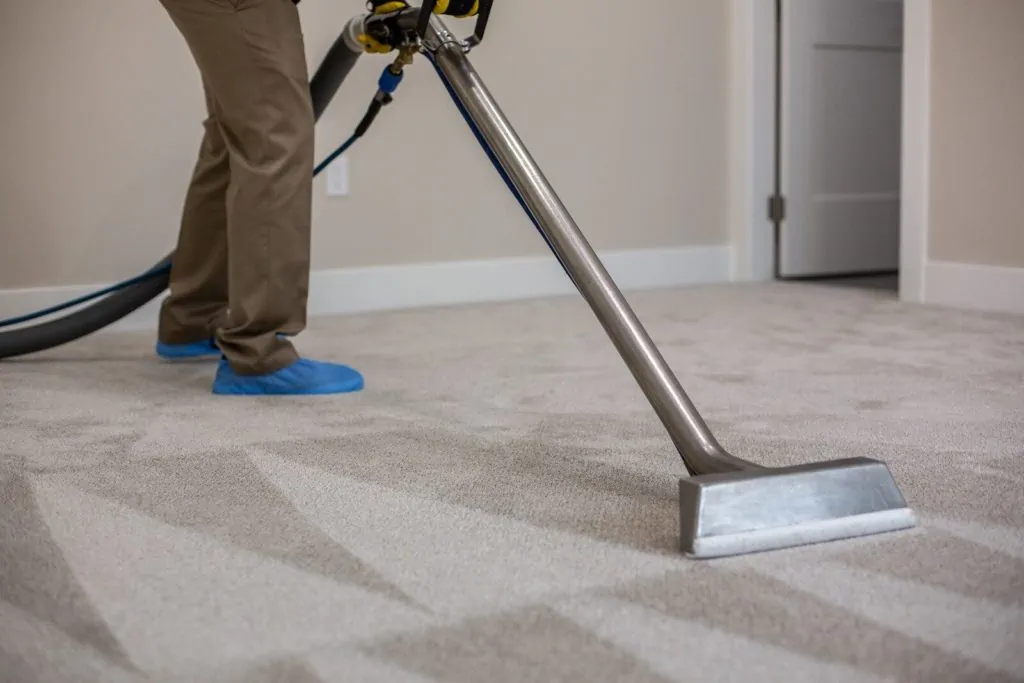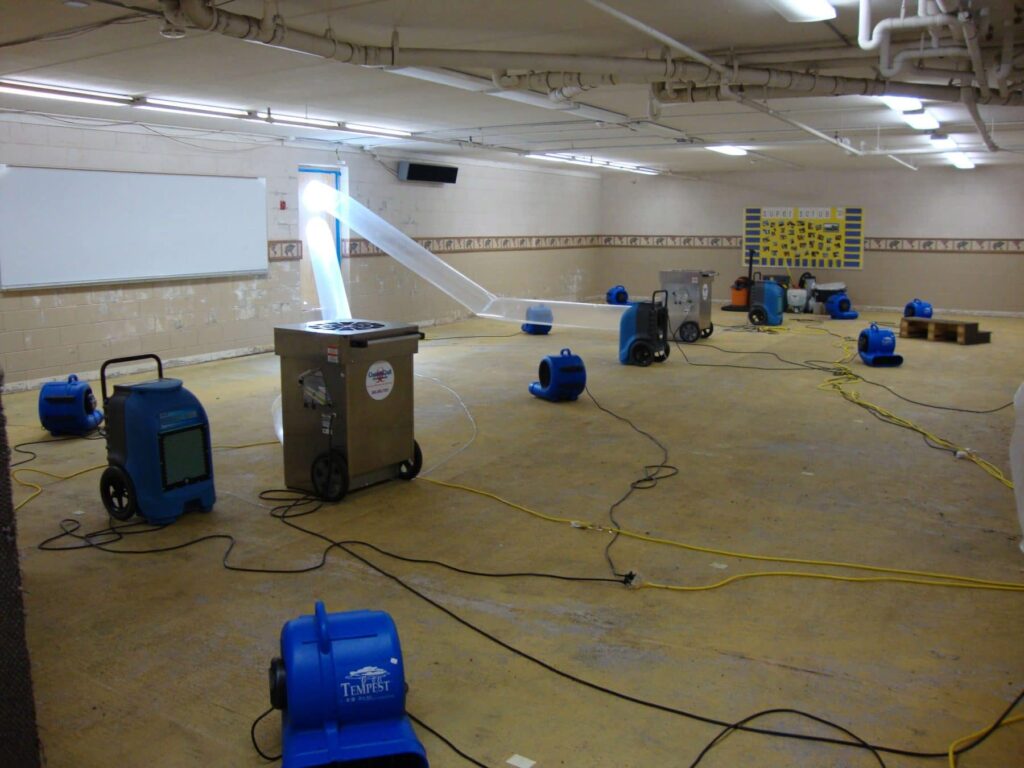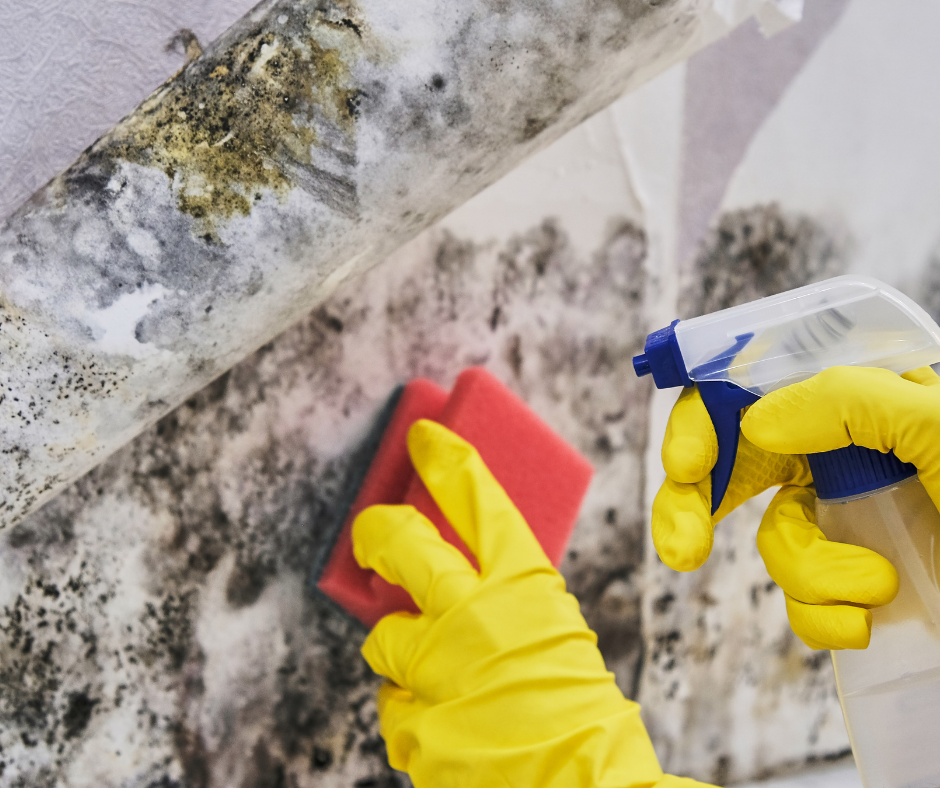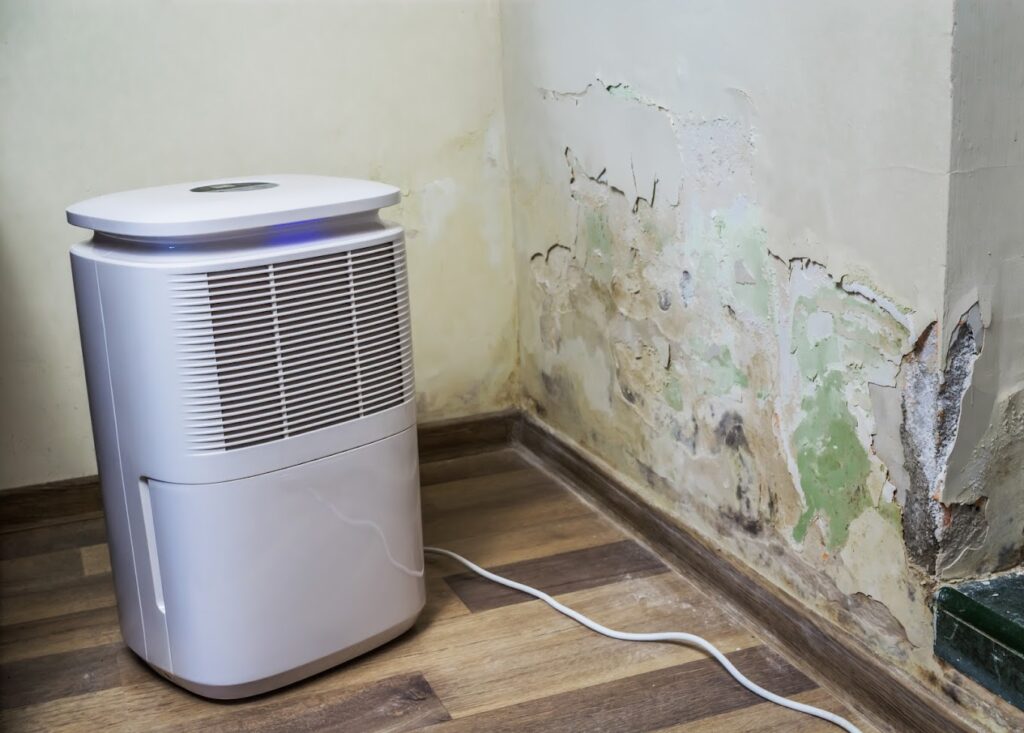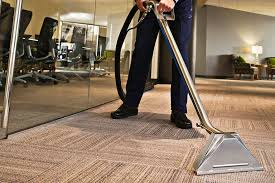
When a sudden burst pipe floods your office near Grand Junction‘s bustling 29 Road intersection or heavy rains from the nearby Colorado River cause seepage into your retail store in the historic downtown area, every minute counts for your business. Rapid Response Grand Junction’s Trusted 24/7 Water Restoration Experts steps in with lightning-fast action to minimize downtime and get your commercial property back to normal. Specializing in Expert Commercial Water Damage Restoration Services in Grand Junction, their IICRC-certified team delivers results that protect your investment and revenue.
Understanding Commercial Water Damage in Grand Junction
Commercial water damage strikes without warning in Grand Junction, whether from sprinkler malfunctions in warehouses along Horizon Drive, frozen pipes in schools near Lincoln Park, or storm surges affecting shops in the Redlands neighborhood. These incidents can halt operations, damage inventory, and pose health risks if not addressed swiftly. Rapid Response, with over 30 years of local experience, knows the unique challenges of Grand Junction’s climate—intense summer monsoons and harsh winter freezes that exacerbate issues around landmarks like the Colorado National Monument.
Their approach begins with rapid assessment to categorize the damage. Category 1 clean water from a pipe break differs vastly from Category 3 contaminated floodwater near the Gunnison River. By identifying the source and extent early, they prevent secondary issues like mold growth, which thrives in Mesa County’s humid post-storm conditions. Local businesses from healthcare facilities in the St. Mary’s Medical Center area to retail centers at Mesa Mall rely on this expertise to resume operations quickly.
Rapid Response’s Emergency Arrival: On-Site in 30 Minutes to 4 Hours
One of the strongest pillars of Rapid Response’s service is their commitment to speed. They guarantee on-site arrival within 30 minutes to 4 hours for commercial water emergencies in the Grand Junction area, depending on location and conditions. For properties near major highways like I-70B or in central spots like the Grand Junction Downtown Core, teams often arrive in under 45 minutes. This fast response is crucial because water spreads rapidly, saturating carpets, walls, and ceilings in offices, potentially costing thousands in lost productivity per hour.
Imagine a retail store at The Mesa Mall experiencing a sprinkler failure during peak hours. Rapid Response dispatches insured, IICRC-trained technicians immediately upon your call. They arrive equipped with high-powered extraction trucks and moisture detection tools, ready to contain the damage. This local presence, with crews based right in Grand Junction, ensures they navigate traffic around Patterson Road or North Avenue without delay, beating competitors who travel from afar.
Step-by-Step Timeline: From Assessment to Full Recovery
The total duration of commercial water damage restoration with Rapid Response varies by the scope, but their structured process ensures efficiency. Here’s a detailed breakdown based on their proven methods:
- Initial Response and Assessment (30 minutes to 4 hours): Upon arrival, technicians perform a full damage assessment, identifying affected areas using advanced moisture meters. Containment begins immediately to stop further water intrusion, crucial for properties like warehouses near the Grand Junction Regional Airport.
- Water Extraction and Initial Mitigation (Same day, 4-12 hours): Powerful pumps remove standing water, followed by industrial air movers and dehumidifiers. For a typical office flood, this phase wraps up within hours, preventing structural weakening in wooden beams common in historic buildings near the Museum of Western Colorado.
- Drying and Dehumidification (24-72 hours): Specialized equipment dries hidden moisture behind walls and under floors. Daily monitoring ensures progress, with adjustments for Grand Junction’s variable humidity levels influenced by the Book Cliffs.
- Cleaning, Sanitizing, and Mold Prevention (2-5 days): Antimicrobial treatments eliminate bacteria, especially vital after sewer backups near Las Colonias Park. Porous materials are inspected; non-salvageable items like soaked retail displays are removed efficiently.
- Structural Repairs and Reconstruction (1-4 weeks): Final phase involves drywall replacement, painting, and flooring restoration. Coordination with insurance speeds this up, allowing businesses near Colorado Mesa University to reopen before semester starts.
For minor incidents, like a localized leak in a healthcare facility, full restoration might take just 3-5 days. Larger events, such as flooding in multi-story office buildings along Folsom Avenue, could extend to several weeks, but Rapid Response minimizes this through phased work that allows partial operations to continue.
Factors Influencing Restoration Time in Grand Junction
Several variables affect how long commercial water damage restoration takes, and Rapid Response tailors plans accordingly. Water volume plays a key role—a small pipe burst in a single room dries faster than widespread flooding from a roof leak during monsoon season near Connected Lakes. The property type matters too: retail stores with concrete floors recover quicker than carpeted offices in the North Grand Junction area.
Contamination level is critical. Clean water incidents resolve faster than those involving sewage near the Kannah Creek drainage areas. Building materials influence timelines—modern HVAC systems in new warehouses at the Crossroads Boulevard industrial park aid drying, while older adobe-style structures in the east side require extra care. Weather impacts outdoor drying; Grand Junction’s dry desert air helps, but rainy spells around Powderhorn demand extended dehumidification.
Rapid Response mitigates these by using state-of-the-art psychrometric charts to calculate drying times precisely. They also coordinate with regulatory agencies for compliance in food service spots near the Grand Junction Farmers Market, ensuring no delays from permits. Their direct work with insurance providers, providing detailed documentation, accelerates approvals and payments, shortening overall timelines.
Why Rapid Response Excels in Minimizing Downtime for Local Businesses
Businesses choose Rapid Response for their proven track record in Grand Junction. As the #1 commercial water damage service, they specialize in properties like office buildings, warehouses, retail stores, healthcare facilities, and schools. Their customized plans reduce downtime—many clients continue partial operations by isolating affected zones, such as cordoning off a flooded lobby in a hotel near Walker Field while restoring guest rooms.
With IICRC certification, licensed technicians employ industry-leading techniques: infrared cameras detect hidden moisture, antimicrobial fogging sanitizes large spaces, and HEPA vacuums capture contaminants. This expertise shines in real scenarios, like restoring a retail outlet after a flash flood from Roubidoux Wash, where they completed drying in under 48 hours. Their workmanship guarantee and transparent communication build trust, with on-site estimates avoiding surprises.
Local knowledge sets them apart. They understand Grand Junction’s terrain—from the steep slopes of the Colorado National Monument risking runoff into lower businesses to the flatlands of the West End prone to poor drainage. Over 30 years, they’ve handled countless cases, from pipe bursts in cold snaps affecting Chipeta Park facilities to storm damage in Broadway commercial strips.
Real-World Examples: Rapid Response in Action
Consider a warehouse near the Grand Junction Union Depot struck by a sprinkler failure. Rapid Response arrived in 45 minutes, extracted 5,000 gallons overnight, and had drying complete in 72 hours. Partial operations resumed Day 4, with full reconstruction in two weeks—far faster than industry averages. Another case involved a medical office on North Avenue; post-flood sanitization allowed patient intake to continue in unaffected wings, restoring fully in one week.
These examples highlight their ability to work around schedules, using temporary barriers and phased repairs. For schools near Mount Garfield, they timed summer projects to avoid disrupting classes, employing heavy-duty equipment to handle large volumes efficiently. Retailers at the Avenue Shopping Center praise their weekend availability, ensuring holiday sales aren’t derailed by water issues.
Preventive Tips for Grand Junction Commercial Properties
Proactive measures extend beyond restoration. Rapid Response recommends annual inspections for properties near the Gunnison Gorge, checking for vulnerabilities like aging pipes in pre-1970s buildings downtown. Install water sensors in basements of facilities along the South Rim trails, and maintain sump pumps for low-lying areas like the Redlands Mesa Golf Course vicinity.
During winter, insulate pipes in unheated warehouses off 32 Road to prevent freezes. Summer storm prep includes clearing drains near Sherwood Park to avoid overflows. These steps, combined with Rapid Response’s 24/7 monitoring options, safeguard against prolonged downtime.
Insurance and Cost Considerations
Rapid Response simplifies claims by documenting every step with photos and moisture logs, streamlining approvals for Grand Junction businesses. They handle coordination, reducing out-of-pocket costs. Average minor commercial jobs range from $5,000-$15,000, major ones $50,000+, but swift action caps expenses by preventing mold remediation add-ons.
Frequently Asked Questions
How fast can Rapid Response respond to a commercial water emergency in Grand Junction?
Rapid Response typically arrives on-site within 30 minutes to 4 hours for commercial water emergencies in the Grand Junction area, with many central locations seeing teams in under 45 minutes. This rapid mobilization is powered by local crews stationed near key spots like I-70 and North Avenue, ensuring quick navigation even during peak traffic. Fast response minimizes further water spread, protecting inventory in retail stores at Mesa Mall or sensitive equipment in warehouses along Horizon Drive. Their 24/7 availability means no delay for after-hours incidents, such as overnight pipe bursts in office buildings near Colorado Mesa University. Upon arrival, immediate assessment and extraction begin, setting the stage for swift recovery. Businesses appreciate this speed, as it directly correlates to reduced revenue loss—every hour saved counts in high-traffic areas like downtown Grand Junction. IICRC-certified techs bring all necessary gear, from truck-mounted extractors to moisture detectors, ready to act without waiting for reinforcements. Conditions like weather near the Colorado River or distance to remote spots like the Powderhorn area may adjust times slightly, but their track record proves reliability across Mesa County.
What types of commercial properties does Rapid Response serve in Grand Junction?
Rapid Response serves a wide range of commercial properties in Grand Junction, including office buildings, warehouses, retail stores, healthcare facilities, schools, and more. Each restoration plan is customized to the property type and industry needs, whether it’s a high-volume retail space at The Avenue Shopping Center requiring quick sanitization or a healthcare clinic near St. Mary’s needing sterile recovery protocols. For warehouses near Grand Junction Regional Airport, they handle large-scale extraction with industrial pumps. Office towers along Patterson Road benefit from phased repairs allowing continued operations. Schools in the Chipeta Heights neighborhood get summer-timed full rebuilds to avoid disruptions. Their expertise covers unique challenges, like HVAC integration in hotels near Walker Field or inventory protection in food service spots by the Grand Junction Farmers Market. IICRC training ensures compliance with regulations for sensitive environments like medical offices. By assessing specifics like building materials—concrete slabs vs. suspended ceilings—they optimize timelines. Local knowledge of Grand Junction’s commercial landscape, from historic downtown structures to modern industrial parks off 32 1/2 Road, allows tailored strategies that minimize downtime and costs.
Can business operations continue during restoration with Rapid Response?
Yes, in many cases, operations can continue during restoration with Rapid Response, as they isolate affected areas and work around your schedule to minimize disruption. For instance, in a retail store near Las Colonias Park, they might section off a flooded section while keeping checkout lanes open. Advanced containment barriers and negative air machines prevent cross-contamination in office buildings on Broadway. Healthcare facilities appreciate off-hours work to maintain patient services. Their strategy includes temporary power solutions and board-up services for security during repairs. Daily progress updates allow you to plan partial reopenings, like resuming warehouse shipping from unaffected zones near Crossroads Boulevard. For schools near Lincoln Park, they coordinate with administrators for minimal class impact. This flexibility stems from 30+ years of experience handling Grand Junction’s diverse businesses, using portable equipment that doesn’t require full shutdowns. Insurance coordination ensures covered temporary fixes, like plastic sheeting over merchandise in stores at Redlands Plaza. Ultimately, their goal is business continuity, proven in cases where clients reported only 20-30% downtime versus industry norms of 50%+.
What services are included in Rapid Response’s commercial water damage restoration?
Rapid Response’s commercial water damage restoration includes water extraction, moisture detection, dehumidification, sanitizing, and repairs, customized for Grand Junction properties. Emergency services start with on-site assessment within 30-4 hours, followed by powerful extraction to remove gallons quickly from flooded offices near North Avenue. Moisture detection uses infrared and meters to find hidden water in walls of downtown retail spaces. Dehumidification employs industrial units and air movers, monitored daily for properties like warehouses by the airport. Sanitizing with EPA-approved antimicrobials prevents mold in healthcare spots near St. Mary’s. Repairs cover structural fixes, from drywall in schools to flooring in hotels. They coordinate with insurers and regulators, ensuring compliance for food services at the farmers market. Full containment stops further damage, vital during Colorado River floods. This comprehensive approach, backed by IICRC certification, gets businesses from mitigation to reconstruction efficiently, with transparent timelines tailored to local conditions like desert aridity aiding drying.
How does Rapid Response handle insurance for commercial water damage in Grand Junction?
Rapid Response works directly with insurance providers to streamline claims for commercial water damage in Grand Junction, providing detailed documentation like photos, moisture readings, and progress reports. This accelerates approvals, reducing delays for businesses near major intersections like 29 Road and Patterson. On-site estimates align with policy coverage, avoiding disputes. They assist with everything from initial filing to supplement requests, common for large warehouse losses off Horizon Drive. Local experience means they know common claim pitfalls in Mesa County, like proving secondary mold damage from Book Cliffs runoff. Clients in retail at Mesa Mall report faster payouts thanks to their insurer relationships. Transparent invoicing matches estimates, with no hidden fees. For schools or healthcare, they ensure regulatory compliance documentation supports claims. This partnership minimizes your administrative burden, letting you focus on recovery while they advocate for maximum coverage.
What causes most commercial water damage in Grand Junction, and how does Rapid Response respond?
Most commercial water damage in Grand Junction stems from burst pipes, sprinkler failures, and storm flooding, with Rapid Response responding swiftly to all. Frozen pipes in winter affect unheated spaces near Mount Garfield, met with 30-minute arrivals for extraction. Sprinkler malfunctions in retail near Redlands require immediate shutoff and drying. Storms from the Colorado National Monument cause runoff into low areas like Connected Lakes properties; their teams contain and remediate fast. Sewer backups near Kannah Creek get Category 3 protocols with heavy sanitization. Local crews anticipate these, using tailored plans—industrial pumps for volume, antimicrobials for contamination. Their 24/7 readiness ensures no incident escalates, with over 30 years preventing billions in potential losses across Grand Junction’s commercial hubs.
Does Rapid Response offer any guarantees for commercial restoration work?
Yes, Rapid Response offers a satisfaction-oriented workmanship guarantee for commercial restoration in Grand Junction, ensuring jobs meet or exceed industry standards. This covers drying efficacy, verified by final moisture scans in offices along Folsom Avenue. If issues arise post-completion, like residual dampness in warehouse floors, they return at no extra cost. Transparent communication includes timelines and expectations, building trust for repeat clients like schools near Lincoln Park. IICRC standards underpin every project, from extraction in retail to repairs in healthcare. This commitment minimizes risks, providing peace of mind for businesses facing downtime near the Grand Junction Downtown Core.
How does Rapid Response prevent mold after commercial water damage?
Rapid Response prevents mold by prioritizing immediate mitigation, extraction, and drying within 24-48 hours for Grand Junction commercial properties. Moisture monitoring with meters ensures levels drop below 15%, critical in humid post-storm conditions near the Gunnison River. Antimicrobial treatments target spores in affected areas like retail ceilings at The Avenue. Air scrubbers filter spores in enclosed spaces such as medical offices. For porous materials in historic downtown buildings, they remove and replace promptly. Daily inspections adjust dehumidifiers for local climate variances. This proactive strategy, backed by IICRC expertise, stops growth before it starts, saving costs on remediation for warehouses and schools alike.
What should a Grand Junction business owner do immediately after discovering water damage?
Immediately after discovering water damage, Grand Junction business owners should call Rapid Response for 24/7 emergency response, then shut off water if safe and avoid electrical hazards. Remove valuables from floors in offices near Patterson Road. Document damage with photos for insurance near Mesa Mall. Avoid walking through water to prevent spreading in retail spaces. Their team arrives in 30-4 hours to assess near North Avenue, containing spread. Do not use fans on standing water, as it spreads contaminants. For properties near Las Colonias Park, ventilate if safe. This quick action pairs with their expertise for minimal long-term impact.
Why choose Rapid Response over other water damage companies in Grand Junction?
Rapid Response stands out with local basing for under-45-minute arrivals, IICRC-certified teams, and customized plans reducing downtime for Grand Junction commercials. Unlike out-of-town firms, they know local risks like monsoon floods near Roubidoux Wash. 30+ years experience, insurance coordination, and workmanship guarantees build trust. They serve all property types from warehouses to schools, with transparent pricing. Fast, dependable service gets businesses near Colorado Mesa University back online quickest, earning top reputation in Mesa County.
Conclusion: Act Fast with Rapid Response for Swift Recovery
In Grand Junction’s dynamic commercial landscape, from bustling retail at major shopping centers to essential services near parks and highways, water damage demands immediate, expert action. Rapid Response delivers with unmatched speed, precision, and local insight, turning potential disasters into manageable recoveries. Contact them today to safeguard your business against the unexpected.