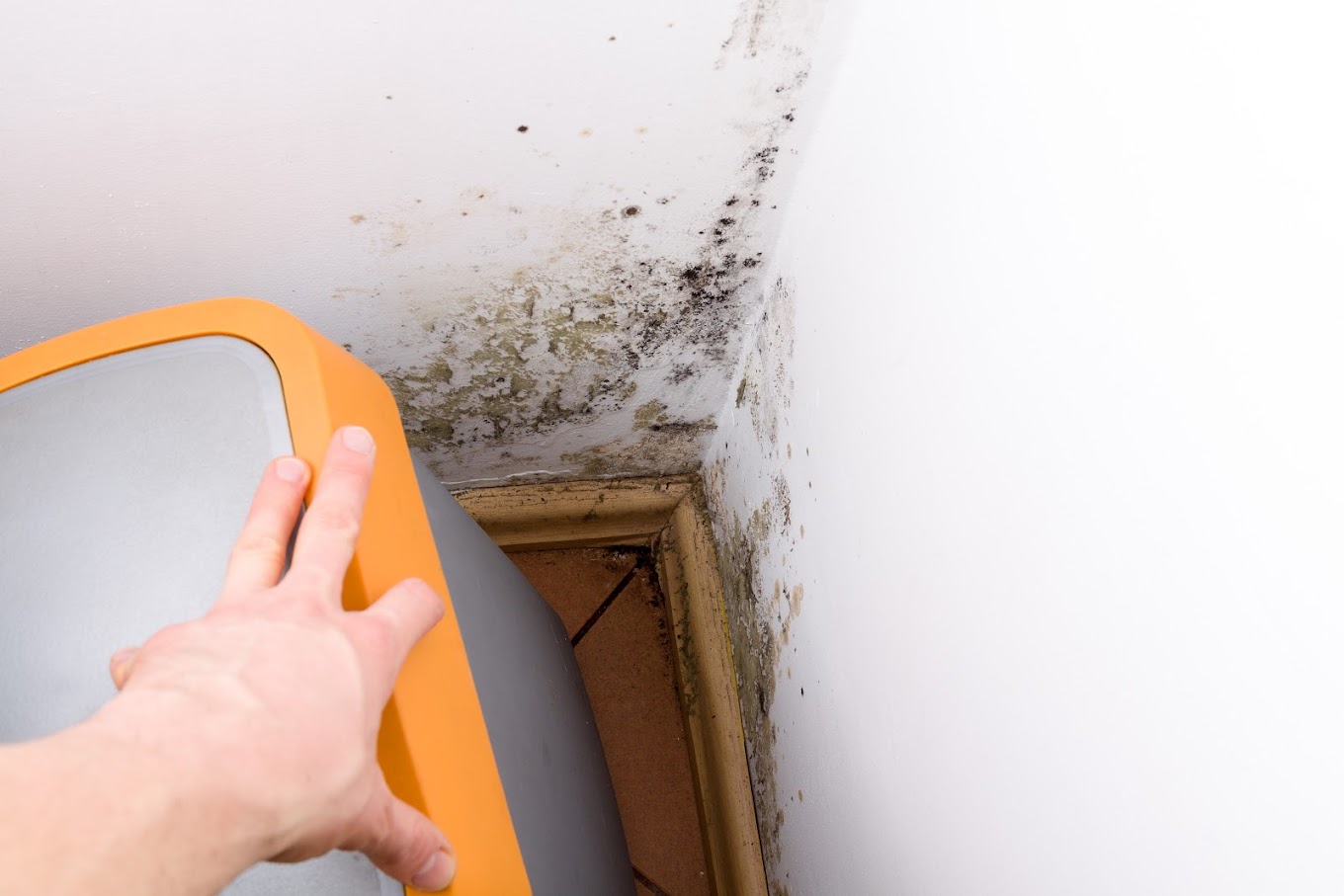
When a homeowner in Grand Junction spots mold, the first question is almost always: how long will mold removal take? Rapid Response typically gets a tech on-site within 45 minutes and offers emergency arrival windows of 1 to 4 hours, setting the pace for quick assessment and remediation so most mold jobs in the area can be completed in a few days, while larger or more complex projects may take longer.
Why speed matters: the Grand Junction context
Grand Junction’s high-desert climate and seasonal weather patterns make rapid, localized response essential when moisture problems arise indoors. Though the region is relatively dry, once water becomes trapped in a home—behind drywall near the interstate corridors like I-70 or under flooring near neighborhoods such as Redlands or near Five Rivers Park—mold can establish quickly and spread into hidden cavities. Rapid Response emphasizes fast arrival times and 30+ years of local restoration experience to limit spread and secondary damage, which shortens overall remediation timelines.
Rapid Response’s response time and initial steps
Rapid Response advertises that their team is typically on-site within 45 minutes and, for emergency services, provides arrival windows from 1 to 4 hours depending on location and conditions. This fast mobilization is critical because the clock for mold growth starts once moisture is present; mold colonies can begin to develop within 24–48 hours under the right conditions. Rapid Response’s immediate priorities on arrival are to perform a full assessment, identify the moisture source, and begin containment to prevent airborne spores from migrating to unaffected areas. This early triage sets the stage for an efficient remediation schedule.
Typical mold removal timeline: what to expect
While each project varies, most mold removals performed by Rapid Response in Grand Junction follow a multi-phase process that generally results in completion within a few days for average-sized jobs. The main phases and typical durations are:
- Emergency call and on-site arrival (within 45 minutes to a few hours). Rapid Response prioritizes fast arrival so drying and containment can begin quickly to limit spread.
- Inspection and documentation (2–6 hours). The techs conduct a detailed inspection, document affected areas, and identify the moisture source—critical steps that inform scope and timeline.
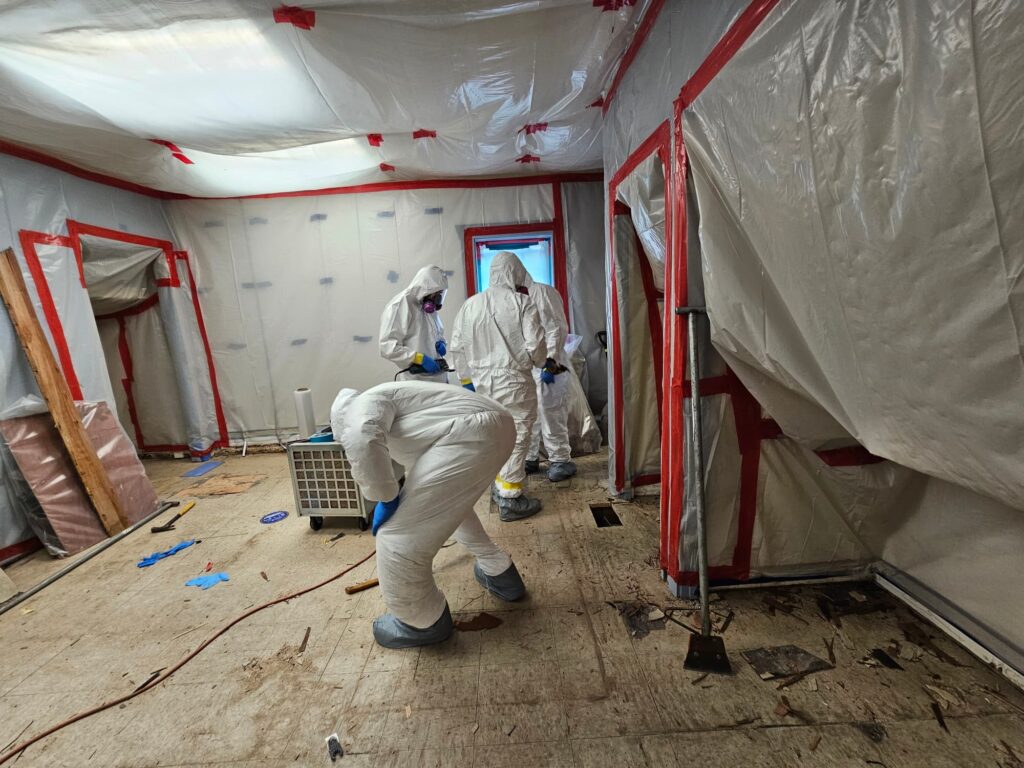
- Containment set-up (2–8 hours). Technicians install negative air, build containment barriers, and set up HEPA filtration when needed to isolate the work area and protect occupants.
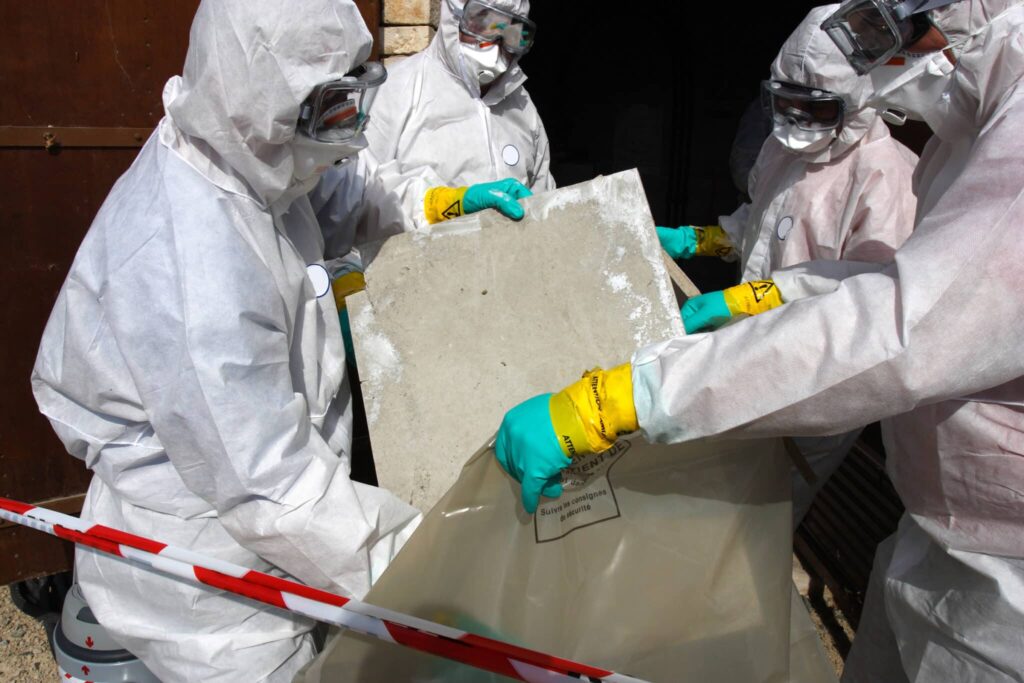
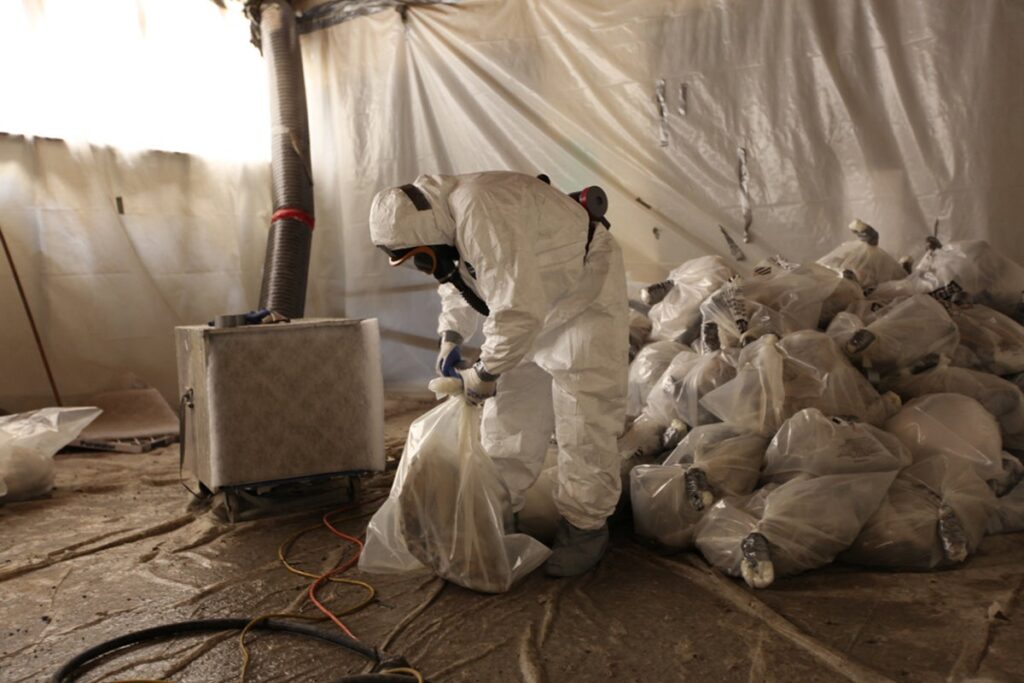
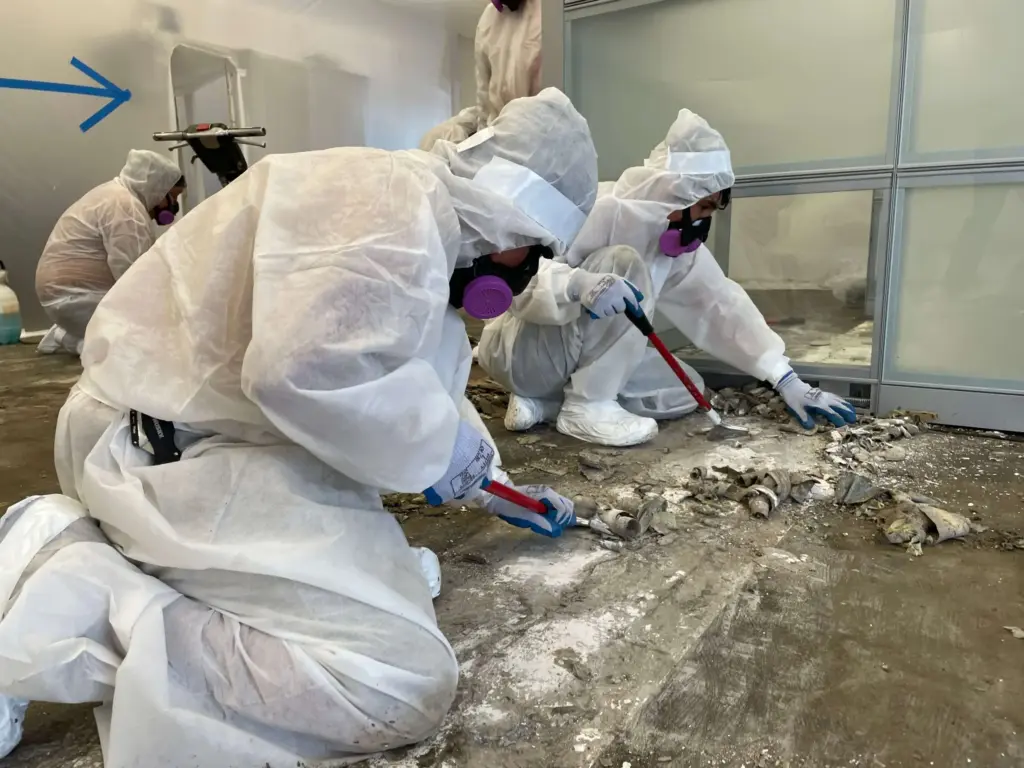
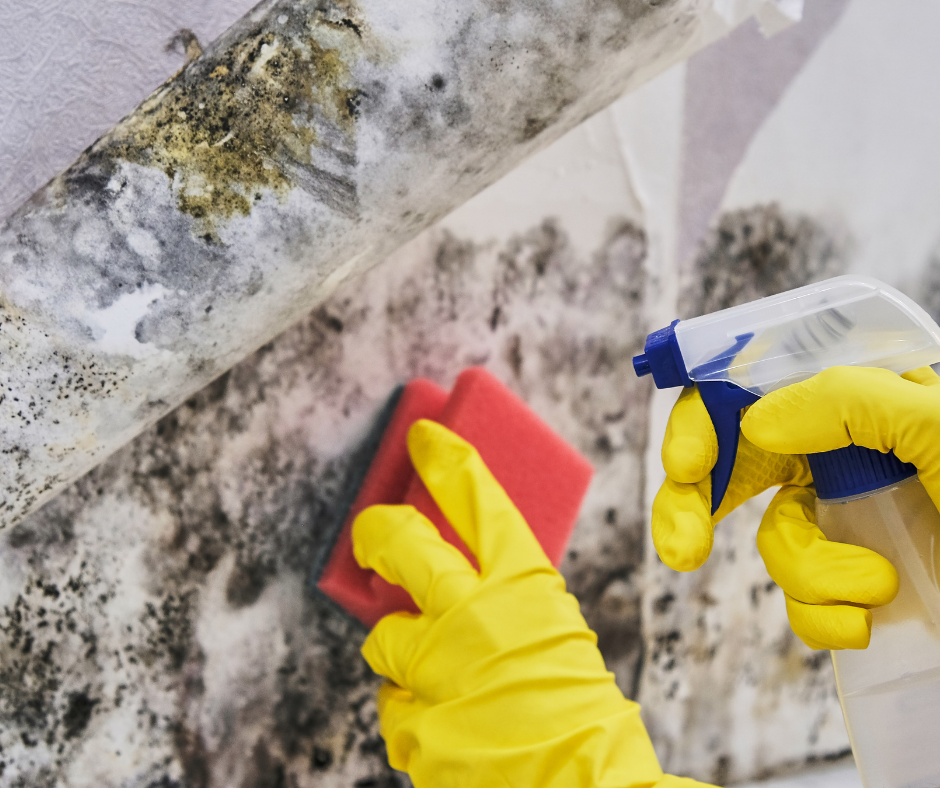
- Mold removal and remediation (1 day to multiple days). For small- to medium-sized affected areas, removal of mold-damaged materials and cleaning can often be completed within 24–72 hours. Larger, structural, or hidden infestations may extend this step to a week or more.
- Drying, repairs, and restoration (1 day to weeks). After active removal, drying equipment is deployed; repair and restoration timelines depend on how much demolition was required. Rapid Response coordinates repairs and can manage the full restoration process to return the property to service.
- Clearance testing and sign-off (1 day to a week). Post-remediation third-party testing may be scheduled to verify clearance. Rapid Response offers coordination of third-party testing in Grand Junction to ensure your space meets safety standards.
The combination of fast arrival and certified crews helps compress these steps compared with slower or less organized providers. Still, the exact duration hinges on key variables described below.
Key variables that determine how long mold removal takes
The following factors most influence the timeline of a mold remediation job performed by Rapid Response in Grand Junction:
- Size of the affected area: Small, isolated patches in a bathroom or closet can often be contained and remediated within a day or two, while whole-house contamination or multiple rooms can require several days to weeks of work.
- Extent of contamination: Surface mold is faster to remove than deep colonization inside wall cavities, HVAC systems, or under flooring, which often requires more intrusive demolition and extended drying time.
- Source of moisture: A single, easily repaired source like a small supply line leak shortens timeline; unresolved sources (chronic roof leaks, slab moisture, or recurring plumbing failures) require repair coordination before remediation is complete.
- Accessibility and construction type: Older homes in neighborhoods like Fruita or areas around Colorado Mesa University may have unique construction that hides mold in hard-to-reach places, increasing assessment and remediation time.
- Containment complexity: Work that requires full-structure containment, commercial-level negative air setup, or multiple containment zones will extend setup and teardown times.
- Regulatory or insurance coordination: When coordination with insurers or local agencies is needed, administrative steps can add days to the overall timeline. Rapid Response offers assistance with insurance documentation to streamline this process.
- Clearance testing: Waiting for third-party lab results or arranging clearance testing availability can add a few days after active remediation concludes.
Examples and real-case patterns from Rapid Response
Rapid Response’s public materials emphasize that most jobs can be completed in a few days but acknowledge that larger or complex cases take longer. In practice, this means a typical residential mold job in Grand Junction—such as mold behind a bathroom wall or beneath a kitchen sink—often follows a 48–72 hour remediation window from arrival to finish including containment, removal, and drying setup. Larger jobs involving extensive reconstruction or HVAC contamination follow a multi-week schedule where Rapid Response coordinates demolition, remediation, and restoration to return the property to pre-loss condition.
Concrete examples from Rapid Response’s service area include emergency responses to water events across Grand Junction, Delta, and Montrose and targeted mold remediation where the team arrives quickly, isolates the problem, and executes remediation protocols with certified technicians. The company’s claim of 30+ years in the industry and emphasis on certified, compliant crews demonstrates practical experience handling a range of scenarios across Western Colorado neighborhoods and commercial properties near major corridors like I-70.
Certifications, credentials, and trust signals
Rapid Response highlights over 30 years of hands-on restoration experience and states that their techs are fully licensed, certified, and insured—credentials that matter because certified remediation teams follow industry-standard protocols that prevent recontamination and ensure safety. Rapid Response also states they follow strict industry standards and environmental rules, and they provide third-party clearance testing coordination in Grand Junction to verify results and compliance.
Those trust signals—longstanding local presence, licensing, insurance, certified technicians, and third-party testing coordination—reduce risk and uncertainty for homeowners and help keep the remediation timeline predictable by avoiding rework or inadequate remediation that would otherwise add time.
What Rapid Response does during the first 24 hours
When you call Rapid Response, the company moves quickly to triage the situation. Within the first 24 hours, the crew focuses on:
- Rapid on-site arrival to assess the scope and identify moisture sources.
- Immediate containment to limit airborne spread and protect unaffected areas.
- Documenting damage and preparing an action plan and cost estimate for remediation and restoration.
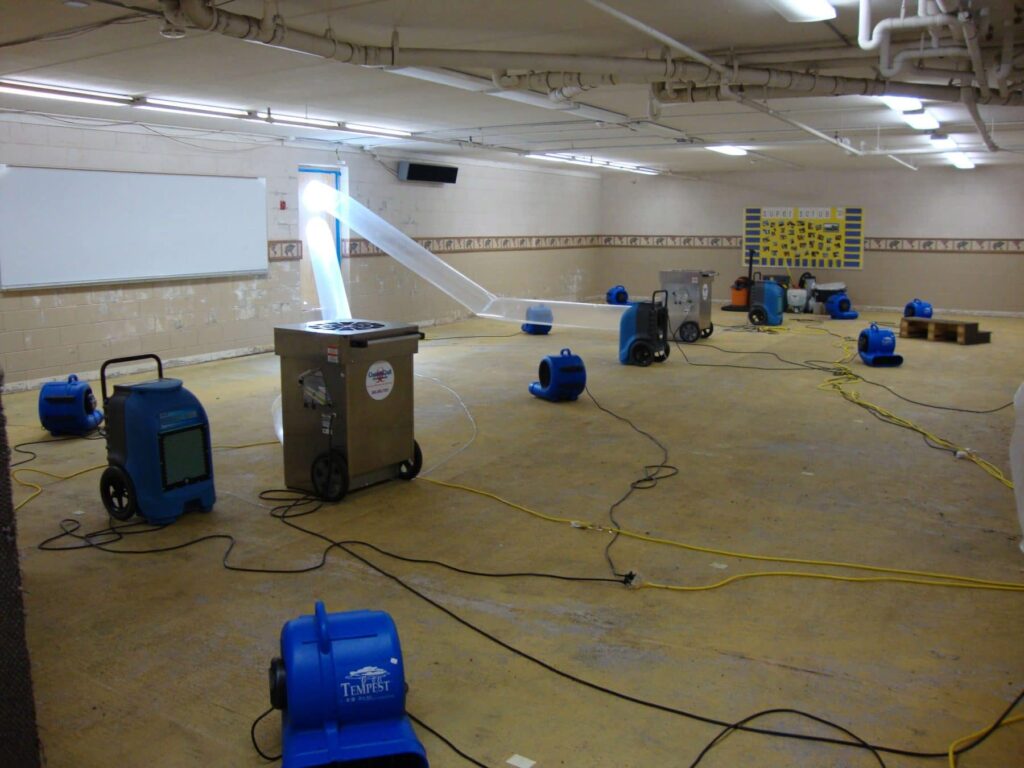
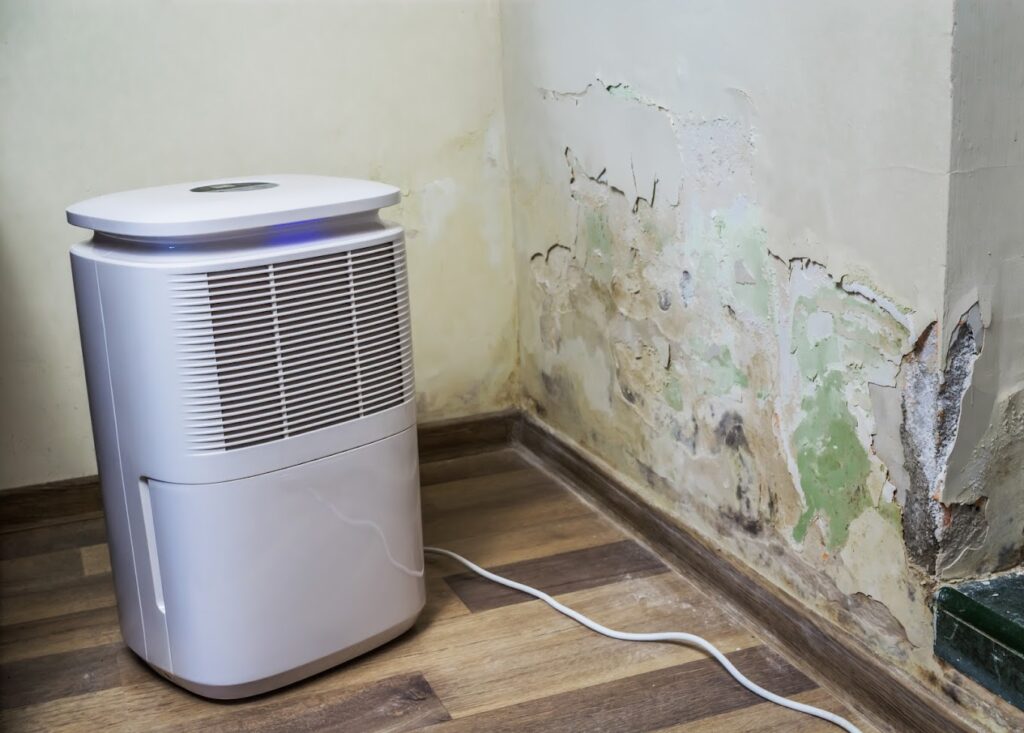
- Deploying drying equipment, and—when appropriate—scheduling immediate removal of heavily contaminated materials to prevent further spread.
These initial actions, combined with Rapid Response’s commitment to fast arrival, mean that the longest delays are usually administrative (insurance, testing scheduling) or due to the scale of the job rather than slow mobilization.
How Rapid Response coordinates with homeowners and insurers to keep projects on schedule
Rapid Response emphasizes clear communication and documentation to help navigate claims and approvals. They work directly with insurance providers and help document damage to support claims. This insurance coordination reduces wait time that can occur if homeowners and providers are left to manage documentation separately, so projects stay on track and are completed faster. Coordinated claim handling and immediate on-site documentation prevent avoidable pauses that extend remediation timelines.
Containment and air quality control: time impacts and methods
Proper containment and air quality control are essential steps that affect how long mold removal takes. Rapid Response uses negative air systems, HEPA filtration, and physical containment barriers to isolate affected areas and control dust and spores. Setting up containment can take from a couple of hours for a single room to a day for multi-zone or whole-structure containment. These protective measures are necessary to meet safety and clearance standards and avoid rework, and while they add to upfront time, they shorten overall project duration by preventing cross-contamination.
When demolition or reconstruction is required
If mold has invaded structural cavities, insulation, or large areas of drywall, remediation will include demolition of the damaged materials followed by drying and reconstruction. Rapid Response manages the full process—performing careful tear-out, rigorous cleaning, and then coordinating repairs. Demolition adds time—sometimes several days to a week depending on the volume of material removed—but is unavoidable to fully remove active colonies and prevent recurrence. Rapid Response’s integrated approach, including restoration planning, helps minimize delays between remediation and rebuild phases.
HVAC and ductwork contamination: a timeline variable
Mold inside HVAC systems or ductwork requires specialized cleaning and can lengthen remediation timelines because technicians must access and sanitize system components and, in some cases, replace portions of the ducting. Rapid Response’s capability to handle complex scenarios and coordinate third-party clearances helps ensure HVAC-related remediation is handled efficiently and does not become a hidden source of recontamination later.
Post-remediation clearance testing and verification
To declare a space remediated, Rapid Response can schedule third-party clearance testing in Grand Junction. Third-party testing is important because it provides an objective verification that airborne and surface spore counts are within acceptable limits. Scheduling a certified third-party tester and waiting for lab results can add a few days to the overall timeline, but it provides documented assurance and peace of mind that remediation was successful. Rapid Response’s coordination of these steps helps avoid scheduling delays and ensures a clean handoff to homeowners or business owners.
Local examples and service area relevance
Rapid Response serves Grand Junction and nearby communities including Delta, Montrose, Fruita, Clifton, and the Redlands. Local knowledge of construction styles, climatic conditions, and typical moisture sources in Western Colorado helps Rapid Response estimate timelines more accurately and reduce unnecessary delays. For example, homes near the Colorado Mesa University area or older neighborhoods around downtown Grand Junction may have distinct remediation needs compared with newer subdivisions near Lincoln Park or shopping centers like Westgate Plaza, and Rapid Response’s local presence helps tailor fast, effective responses.
How homeowners can help speed up the process
Homeowners can take several practical steps to shorten remediation timelines once a problem is identified:
- Call Rapid Response as soon as mold or water damage is discovered to enable rapid mobilization and containment.
- Shut off water sources if safe to do so to limit further moisture introduction.
- Make insurance and property documents available to reduce administrative delays; Rapid Response coordinates with insurers but having your policy and contact information ready helps.
- Clear access to affected areas and remove fragile or sentimental items so technicians can work without delay.
- Follow guidance on HVAC usage—sometimes leaving the system off avoids spreading spores until technicians evaluate the system.
What “most jobs completed in a few days” means in practice
Rapid Response states that most mold remediation jobs can be completed in a few days. Put into practical terms for Grand Junction homeowners, this often means a small-to-medium residential job—such as mold behind a wall cavity, under a sink, or a localized attic infestation—can be assessed, contained, remediated, and set up for drying within 48–72 hours, with post-remediation testing scheduled shortly afterward. Larger-scale remediation or jobs requiring reconstruction are staged so the active remediation portion is efficient and the restoration follows as quickly as permits, materials, and insurance approvals allow.
Turnaround benchmarks you can expect
While every job is unique, you can use these practical benchmarks when planning:
- Emergency response: on-site within 45 minutes to 4 hours for urgent calls.
- Small isolated mold removal: 1–3 days for full remediation and drying setup.
- Moderate contamination across multiple rooms: 3–7 days including containment and material removal.
- Extensive structural or HVAC contamination requiring reconstruction: multiple weeks, with active remediation happening in the early phase and restoration following.
Why certified remediation shortens long-term timelines
Hiring a certified, licensed, and insured company like Rapid Response helps prevent incomplete remediation that leads to rework and longer total schedules. Certified protocols, proper containment, and third-party clearance reduce the chance of recurrence and the need for future interventions. Rapid Response’s emphasis on compliance and certified crews helps ensure that remediation done the first time is done right, which shortens the homeowner’s overall disruption and cost in the long run.
Transparent communication and project management
Rapid Response’s approach includes clear documentation of damage and action plans, which reduces surprises that often delay projects. The company provides estimates and coordinates with insurers, which streamlines approvals and keeps work moving. Local homeowners in Grand Junction benefit from Rapid Response’s regional focus and long-term presence, which helps them understand local permitting, preferred vendors, and typical remediation pathways for homes and businesses in the area.
Common timeline pitfalls and how Rapid Response avoids them
Common pitfalls that extend remediation timelines include delayed discovery, inadequate initial containment, and poor documentation for insurance. Rapid Response’s fast arrival, certified technicians, and emphasis on thorough documentation and insurance coordination helps avoid those pitfalls. When mold is discovered early and a certified crew isolates the area quickly, remediation is more likely to be completed in days instead of weeks.
Costs and time: the relationship
While cost and time are distinct, they are correlated: more extensive mold problems that require demolition, HVAC cleaning, or reconstruction typically cost more and take longer. Rapid Response’s integrated model—covering inspection, containment, remediation, and restoration—can reduce delays between stages, and good project management helps homeowners understand timelines alongside cost estimates so they can make informed decisions that balance urgency, safety, and budget.
How Rapid Response documents outcomes and quality
Rapid Response documents their findings and remediation activities and can coordinate third-party clearance testing to validate outcomes. This documentation is crucial for homeowners to verify that remediation meets safety standards and for insurance claims. The use of third-party testing provides objective, verifiable evidence that remediation met required criteria and can close out the project cleanly.
Local landmarks and neighborhoods that illustrate service reach
Rapid Response serves neighborhoods and landmarks across Grand Junction and the surrounding Western Colorado region, including areas near Colorado Mesa University, Lincoln Park, the Redlands, Fruita, and shopping corridors like those around Rimrock Marketplace and Westgate Plaza. Whether a property near the Colorado Riverfront Trail or an older home near downtown Grand Junction experiences mold, Rapid Response’s proximity and regional knowledge enable faster response and realistic timeline estimates tailored to local building types and conditions.
What to expect when you call Rapid Response
When you call Rapid Response about a suspected mold problem in Grand Junction, expect a rapid arrival or scheduled urgent visit, a thorough inspection, a clear plan outlining containment and remediation steps, and assistance with insurance documentation. Most small to medium jobs will likely be completed in a few days, while larger jobs will be staged and managed to minimize downtime and ensure safety. Rapid Response’s promise of certified, compliant work and coordination with third-party clearance testing gives homeowners confidence that the job will be done thoroughly and verified.
Internal link to improve navigation
For more details about Rapid Response’s specific mold remediation services in the Grand Junction area, see our detailed service page about mold remediation in Grand Junction, Delta, and Montrose: Rapid Response Mold Remediation Services in Grand Junction, Delta, and Montrose — Fast, Certified Mold Removal for Western Colorado Homes
Homepage link for site architecture and contact
To contact Rapid Response directly for immediate help, scheduling, or to learn about their 24/7 emergency response, visit the Rapid Response main page: Rapid Response — Grand Junction Emergency Water, Fire & Mold Restoration Experts
Final checklist: how to plan your remediation so it completes quickly
- Document and photograph visible mold and water sources before cleanup (if safe).
- Call Rapid Response immediately to leverage their fast arrival and certified crews.
- Make insurance information and property access available to the remediation team to reduce administrative delays.
- Follow technician instructions on HVAC and household access to avoid unintentional spread.
- Schedule third-party clearance testing through Rapid Response to validate remediation and close the project quickly.
Conclusion: realistic expectations for Grand Junction homeowners
Rapid Response’s local presence, certified technicians, and rapid mobilization capability mean many mold remediation projects in Grand Junction can be completed in a few days from arrival to active cleanup and drying setup, while larger or complex cases may require additional days or weeks for demolition and restoration. Early detection, quick action, and using a certified remediation partner like Rapid Response are the most reliable ways to keep the timeline as short as possible and ensure the work is done right the first time.
Frequently Asked Questions
How fast will Rapid Response arrive for an emergency mold call in Grand Junction?
Rapid Response typically gets a crew on-site within 45 minutes and advertises emergency arrival windows of 1 to 4 hours depending on the situation and location. Rapid arrival helps limit spread and starts critical containment and drying steps quickly, which shortens the overall remediation timeline and reduces secondary damage risks.
How long does a typical residential mold remediation take with Rapid Response?
For a typical residential issue—such as localized mold behind a wall or under a sink—Rapid Response often completes remediation and sets up drying equipment within 48–72 hours from arrival. This timeline includes inspection, containment setup, mold removal, and initial drying. Larger or hidden infestations that require demolition or HVAC cleaning may extend the timeline.
Do you coordinate with insurance companies to speed up the process?
Yes. Rapid Response works directly with most insurance providers and helps document damage to support claims, which reduces administrative delays that otherwise slow projects. Clear documentation and direct insurance coordination keep approvals and payments moving, helping the remediation and restoration proceed without unnecessary pauses.
Will Rapid Response perform clearance testing after remediation?
Rapid Response can schedule third-party clearance testing in Grand Junction to verify that remediation met safety and cleanliness standards. Third-party testing provides objective verification of spore counts and airborne conditions; coordinating this testing may add a few days to the project but gives homeowners documented assurance of a successful remediation.
What factors most influence how long mold removal will take?
The most important factors include the size of the affected area, how far mold has spread (surface vs. structural cavities), the cause and accessibility of the moisture source, HVAC involvement, containment complexity, and insurance or regulatory coordination. Rapid Response’s experience and local knowledge help them assess these factors quickly and give accurate timeline estimates.
How does containment affect remediation time?
Proper containment is essential to prevent cross-contamination and ensure safe air quality during remediation. Setting up containment with negative air, HEPA filtration, and barriers can take a few hours for single-room jobs or up to a day for more complex containment zones. Although containment adds time at the start, it prevents rework and speeds up the overall project by protecting unaffected areas.
What happens if mold is found in the HVAC system or ductwork?
Mold in HVAC systems requires specialized cleaning and sometimes replacement of contaminated components, which can prolong the remediation timeline. Rapid Response has the experience to assess HVAC contamination and coordinate appropriate cleaning or repairs. Because HVAC systems can spread spores throughout a home, addressing them properly is essential for lasting remediation.
Will remediation always require demolition and reconstruction?
Not always. Small surface or isolated mold growth can often be remediated without major demolition. However, if mold has penetrated wall cavities, insulation, or subflooring, careful demolition and material removal are necessary. Rapid Response provides restoration planning as part of the process so demolition is coordinated efficiently and reconstruction follows promptly to shorten total project duration.
How soon can I reoccupy my home after remediation?
Reoccupancy depends on the extent of remediation and post-remediation testing. For small jobs completed with containment and drying, homeowners can often return within a few days after technicians complete work and provide guidance. For larger jobs requiring reconstruction or awaiting third-party clearance results, reoccupancy waits until remediation is verified complete and the property is restored to safe living conditions.
How can I prepare my home to speed up mold remediation?
To speed remediation, document visible mold and water sources, provide insurance and property documentation to the remediation team, clear access to affected areas, shut off water sources if safe, and follow technician guidance on HVAC usage and personal items. Rapid Response’s prompt arrival and clear project management combined with homeowner cooperation typically shortens the total remediation timeline and reduces disruption.
Author byline and company credentials
Byline: Rapid Response Restoration Experts — Local Grand Junction remediation specialists with over 30 years of experience in water, fire, and mold restoration. Our certified technicians are licensed and insured to perform mold removal across Grand Junction, Delta, Montrose, Fruita, Clifton, and the Redlands, and we coordinate third-party clearance testing to validate results.
Credentials and approach: Rapid Response has served Western Colorado for 30+ years and emphasizes certified, compliant remediation delivered by licensed techs. We document damage, follow industry standards for containment and remediation, and assist with insurance coordination to keep projects on schedule and verifiable through third-party testing.