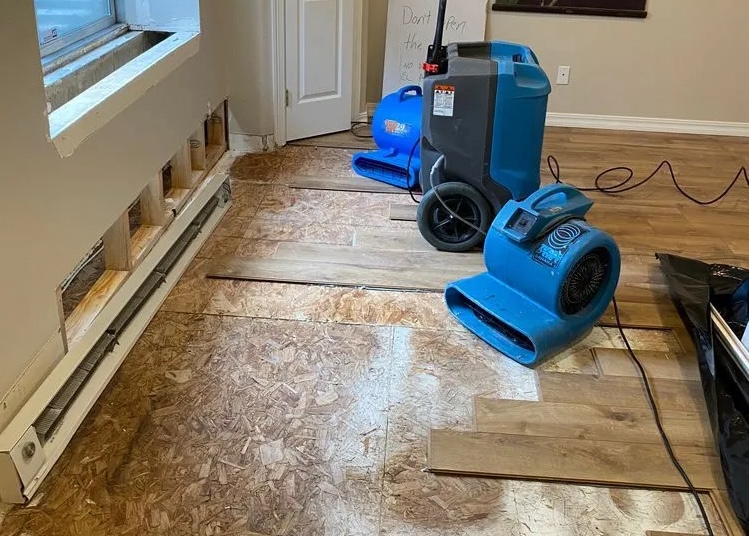
When water intrudes into a Grand Junction home or business, the restoration timeline depends on damage severity, water source, materials affected, environmental conditions, and permitting or insurance processes; typical mitigation and drying take days to a few weeks, while full repairs and reconstruction can extend from weeks to several months.
Why timeline clarity matters for Grand Junction property owners
Fast, accurate expectations help homeowners and property managers plan temporary housing, budget for repairs, and coordinate with insurers and contractors. Rapid Response’s Grand Junction water damage team focuses on quick mitigation, transparent communication, and documented processes so you know when key milestones—water extraction, drying, content move-out, reconstruction—will occur. The city’s variable weather, seasonal river runoff, and local building codes can affect timelines, so understanding local factors is essential.
Executive summary: Typical timeline stages
- Emergency response and mitigation: immediate to 24 hours for emergency contact and on-site assessment; initial extraction often completed within hours.
- Inspection and documentation: same day to 24–48 hours for thorough moisture mapping, category classification (clean/gray/black water), and insurance documentation.
- Drying and dehumidification: typically 3–7 days for minor events, 7–14 days for moderate events, and longer when building materials or hidden cavities are saturated.
- Cleaning, sanitizing, and contents restoration: concurrent with drying and continuing 3–14 days or more depending on contents volume and contamination level.
- Repairs and reconstruction: from a few days to several months depending on structural damage, permitting, and specialty trades availability.
How Rapid Response approaches each stage (local, documented, reproducible)
Rapid Response in Grand Junction uses a standardized, documented workflow for every water loss: immediate safety checks and mitigation, moisture mapping and moisture meter readings, industrial extraction and drying equipment deployment, ongoing moisture monitoring, and then staged repairs. That process ensures that every step is recorded for homeowners and insurance adjusters, minimizing surprises and reducing hidden delays in later reconstruction phases. Rapid Response emphasizes working with local adjusters and contractors to speed approvals and material procurement in Western Colorado.
Stage 1 — Emergency contact and initial triage (0–24 hours)
When you call Rapid Response from Grand Junction, the first priority is safety—shutting off water sources, turning off power if needed, and identifying hazardous materials. In many local cases, Rapid Response technicians aim to arrive quickly to assess the situation and begin extraction. Rapid triage documents the source of water (burst pipe, appliance leak, roof leak, storm flood) and establishes a category for contamination. Quick action at this stage can materially shorten the overall timeline.
Stage 2 — Thorough inspection and paperwork (same day to 48 hours)
Accurate inspection is critical. Technicians use visual inspection, moisture meters, and thermal imaging to locate wet materials inside walls, floors, and ceiling cavities. Proper documentation—detailed notes, photos, and moisture readings—is produced to support insurance claims and to create a realistic scope of work. In Grand Junction, Rapid Response teams emphasize clear documentation to speed claims with local insurance carriers and to prevent scope disputes that could delay reconstruction.
Stage 3 — Water extraction and structural drying (3–14+ days)
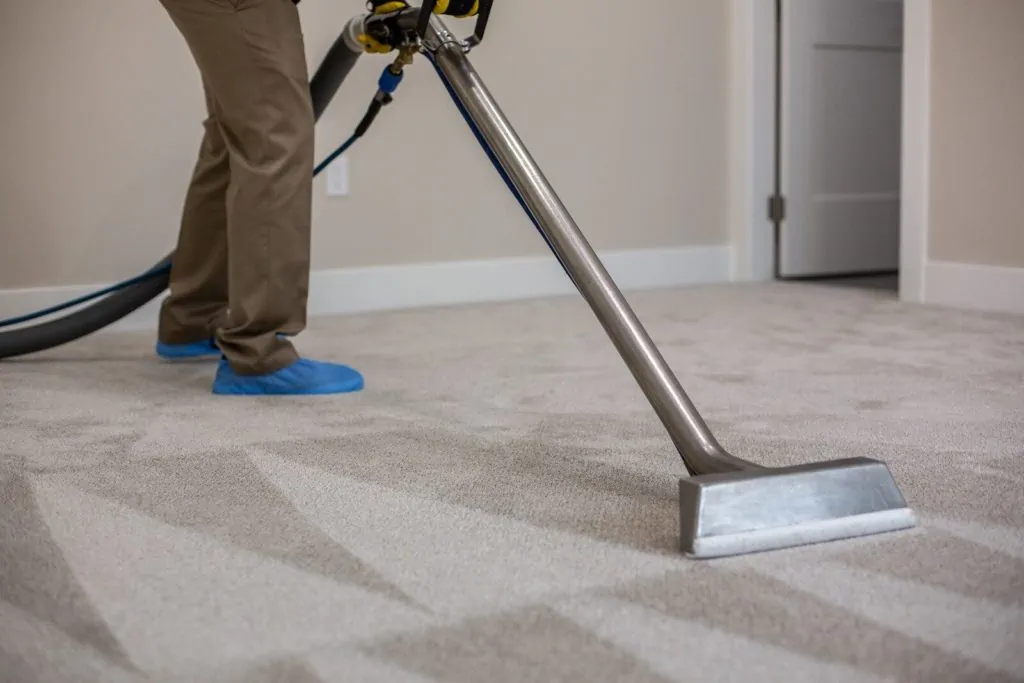
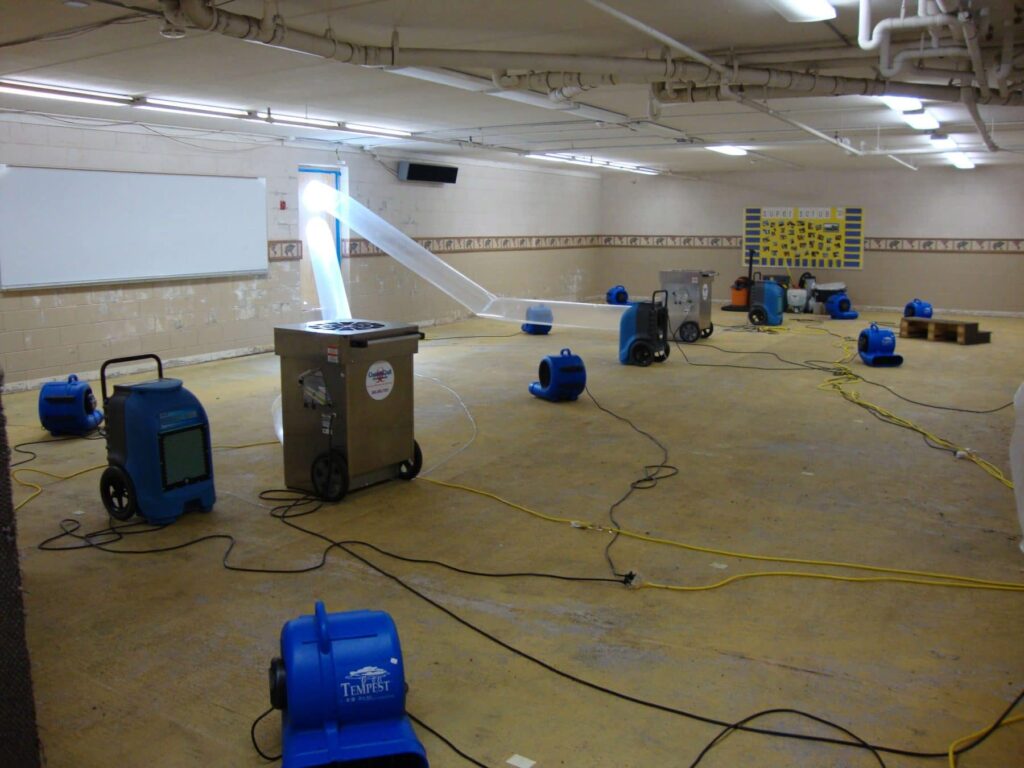
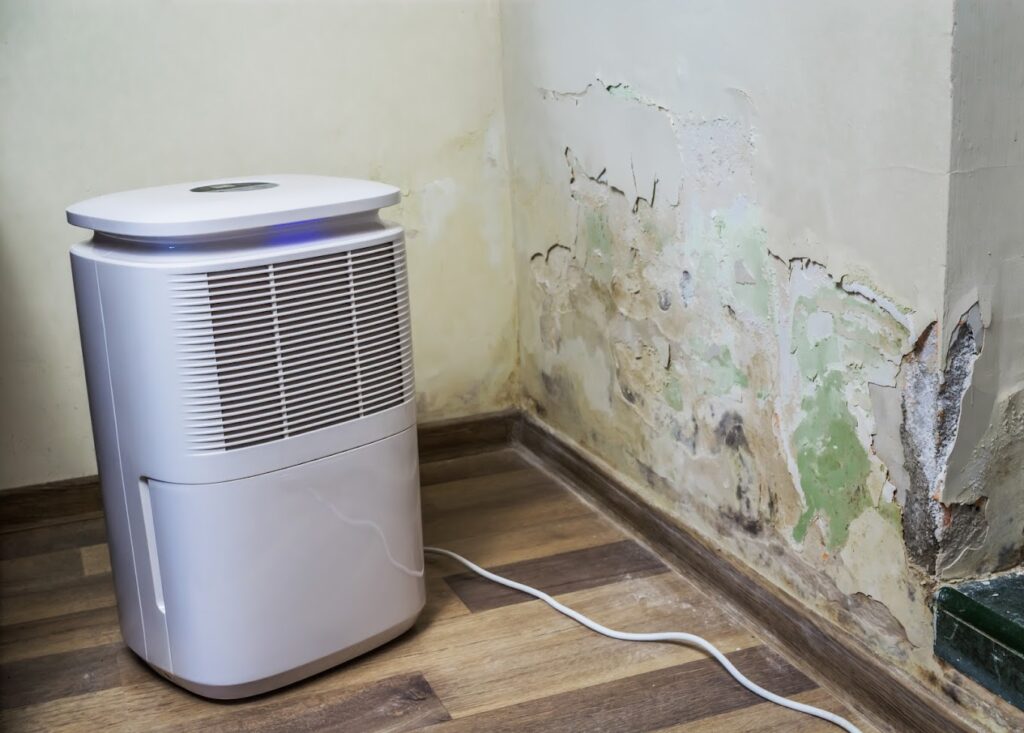
Extraction removes standing water using pumps and truck-mounted vacuums; this can be completed in hours for small losses or longer for large volumes. Once standing water is removed, drying begins with air movers, axial fans, and dehumidifiers. For small, contained incidents (a single room, clean water), drying often completes in 3–5 days. For larger or more complex scenarios—wet framing, saturated insulation, enclosed wall cavities, or category 2/3 water—drying can take 7–14 days or longer. Continuous moisture monitoring informs when materials reach acceptable dryness criteria for reconstruction.
Stage 4 — Mold prevention and antimicrobial treatments (as needed during drying)
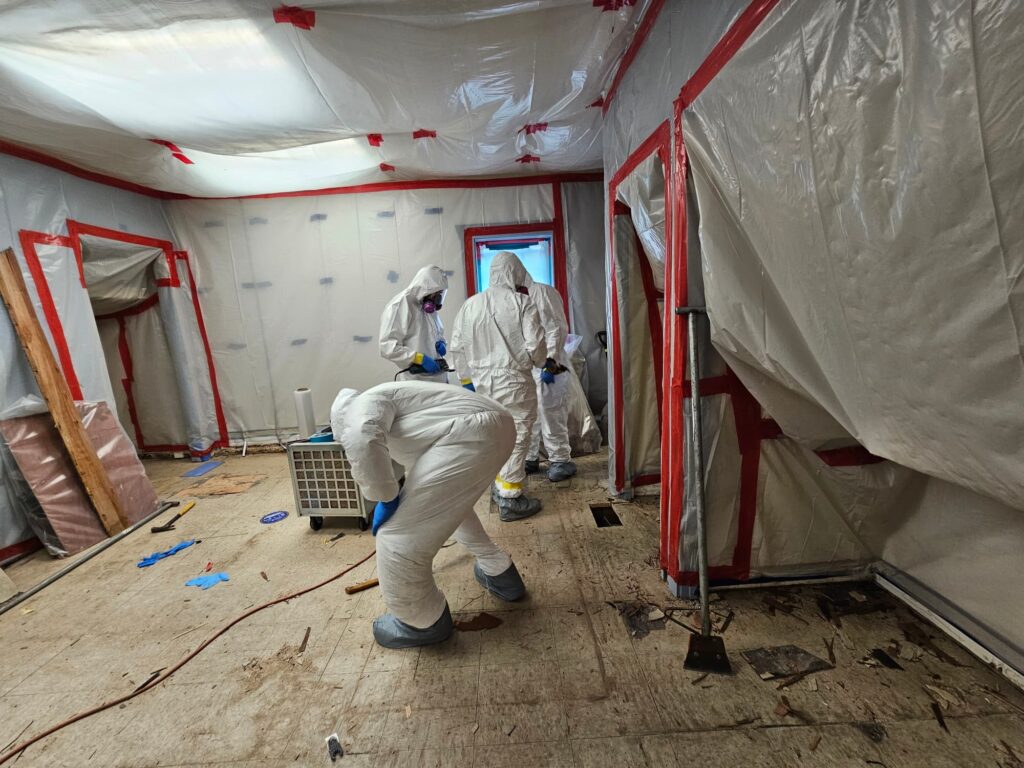
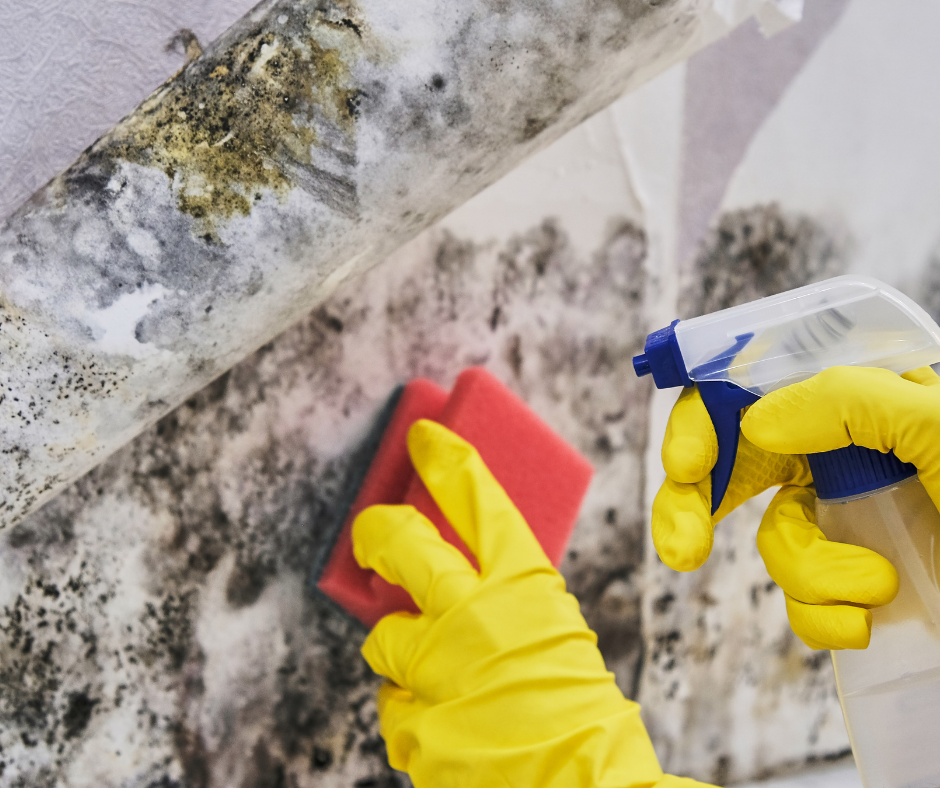
In Grand Junction’s climate, warm indoor temperatures and incomplete drying can accelerate microbial growth. Rapid Response applies cleaning, sanitizing, and antimicrobial treatments where contamination risk exists. If visible mold is identified, containment and remediation steps are added, which can increase project duration depending on the extent of colonization.
Stage 5 — Contents handling and specialized drying
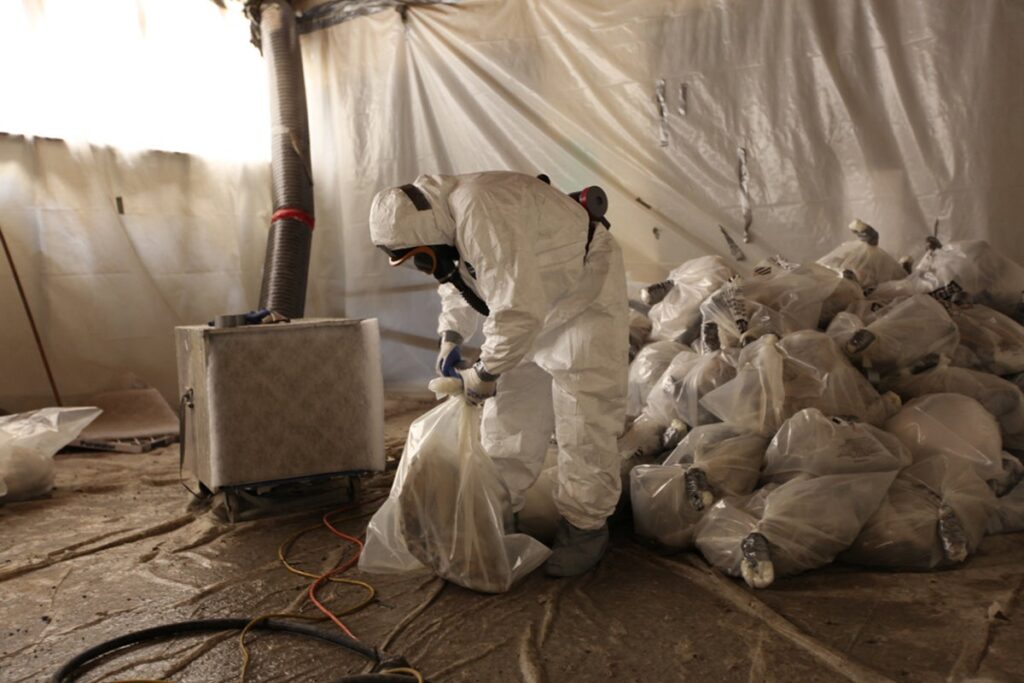
Contents—furniture, textiles, documents, electronics—often require separate drying or specialty restoration. Rapid Response inventories and prioritizes items for in-place drying, pack-out to a climate-controlled facility, or disposal. The timeline for contents restoration varies: small-scale pack-outs and cleanings may conclude in days; complex restorations (antique furniture, photo recovery, large commercial inventories) can take weeks.
Stage 6 — Repairs, reconstruction, and finishing (days to months)
After confirmed dryness, repair work begins. Minor repairs—replacing trim, baseboard, small drywall sections—can be finished in a few days. Moderate repairs—extensive drywall replacement, subfloor work, or HVAC duct cleaning—may take several weeks. Major reconstruction requiring permits, structural repairs, or full-room rebuilds can take many weeks to months. Permitting, custom material lead times, and the need for specialty subcontractors in Western Colorado influence durations. Rapid Response coordinates local trades and procurement to reduce downtime.
Local factors in Grand Junction that affect restoration timelines
- Climate and humidity: Seasonal humidity and temperature in Grand Junction influence drying rates; colder winter interiors may slow evaporation and lengthen drying.
- Supply chain and material lead times: Remote or regional availability of specialty materials in Western Colorado can extend reconstruction timelines if non-stock items are required.
- Insurance and permitting: Insurer approvals and municipal permits for structural repairs can add days to weeks to project schedules.
- Local access and traffic: Proximity to neighborhoods like Redlands, downtown Grand Junction, or near Colorado Mesa University may affect crew travel time and scheduling windows.
Example restoration timelines: real-world Grand Junction scenarios
To make the abstract concrete, consider three typical Grand Junction cases Rapid Response commonly encounters and the usual timelines associated with them.
- Small apartment leak from a water heater (clean water):
Scenario: A water heater failure floods a single bathroom and adjacent hallway. Response: Emergency shutoff, extraction completed same day; drying equipment set; moisture monitoring over 3–5 days; minor drywall patching and flooring repair completed within 7–10 days total. Homeowner moves back quickly with minimal disruption.
- Basement flood from a heavy storm (category 2 water with silt):
Scenario: Runoff entered a partially finished basement near the Colorado River floodplain or low-lying Redlands area. Response: Extraction day one; drying and antimicrobial treatments 7–14 days; contents pack-out and specialized cleaning 2–3 weeks; basement reconstruction (insulation, drywall, flooring) 4–8 weeks depending on permits and material availability.
- Major structural leak with prolonged hidden saturation (category 3, requiring reconstruction):
Scenario: A roof leak over several months or sewer backup left hidden framing and insulation saturated. Response: Initial mitigation and containment take 24–48 hours; extended monitoring and targeted demolition for source access 1–2 weeks; comprehensive drying and remediation 2–6 weeks; reconstruction and finishing 2–6 months depending on scope, custom finishes, and permit timelines.
How Rapid Response shortens timelines—practical tactics
Rapid Response uses these practical steps to accelerate restoration timelines for Grand Junction clients:
- Rapid arrival and prioritization: Quick on-site triage reduces the volume of damaged materials and stops progressive deterioration.
- Industrial-grade equipment: Truck-mounted extractors, high-output dehumidifiers and air movers speed drying compared with consumer-grade tools.
- Continuous moisture monitoring: Objective moisture readings guide decisions, preventing premature reconstruction or unnecessary delays.
- Local subcontractor network: Pre-established relationships with Grand Junction electricians, plumbers, and carpenters reduce scheduling friction during reconstruction phases.
- Insurance coordination: Documented scopes, photos, and reports expedite claims and approvals.
Common issues that cause delays and how to prevent them
- Hidden moisture in wall cavities or subfloors: Use of thermal imaging and probe testing at the outset avoids late discovery.
- Waiting for insurance sign-off: Early, thorough documentation and direct adjuster communication keep approvals moving.
- Material lead times: Order long-lead items early (custom cabinets, specialty flooring) to avoid reconstruction slowdowns.
- Seasonal contractor demand: In peak seasons, secure trades in advance and coordinate with Rapid Response scheduling.
What homeowners should do immediately to reduce restoration time
- Ensure safety first—turn off electricity and gas if water is near panels or appliances.
- Stop the water source if possible (shutoff valve) and call a professional immediately.
- Document damage with photos and notes for insurance and contractor review.
- Remove valuables and electronics from affected areas to prevent secondary loss.
- Work with a local, reputable restoration company like Rapid Response to start mitigation quickly and coordinate with insurers.
Costs versus timelines: how duration influences price
Shorter, well-managed projects often cost less because less demolition, less content loss, and fewer secondary problems (like mold) occur. Extended drying and reconstruction increase labor and materials costs. Rapid, documented mitigation reduces the total restoration cost and time by addressing the root causes and preventing concurring issues.
How insurance interactions affect timeline
Insurance claims can either accelerate or slow restoration depending on responsiveness. Rapid Response documents the loss comprehensively and provides a clear scope to adjusters to avoid “scope creep” that can delay reconstruction. When insurers require multiple site visits or additional documentation, the project timeline may extend; Rapid Response’s insurance coordination aims to minimize these interruptions.
Local Grand Junction considerations: neighborhoods and landmarks that matter
Understanding Grand Junction neighborhoods and features is critical when planning logistics and communicating with clients. Rapid Response serves areas including downtown Grand Junction, the Redlands, Orchard Mesa, Fruitvale, and regions near Colorado Mesa University. Local landmarks and corridors—such as Lincoln Park, Canyon View Park, the Colorado River corridor, and Interstate 70 access points—help crews navigate and estimate travel and mobilization time. Awareness of local flooding areas and low-lying lots near Palisade and the Grand Junction Regional Airport also informs response strategies.
Case study summaries drawn from local practice
Case Study A: Redlands Condo—fast mitigation shortened reconstruction. A second-floor water leak saturated the primary bathroom and ceiling below. Rapid Response arrived within hours, extracted standing water that same day, and set up a drying system. Moisture levels normalized within five days, and non-structural repairs were completed in two weeks, allowing the owner to avoid extended displacement.
Case Study B: Downtown storefront—pack-out and structural drying reduced inventory loss. Heavy rain overwhelmed a storefront’s drain system and introduced silt into the sales floor. Rapid Response performed contents pack-out, industrial extraction, and antimicrobial treatments. With continuous drying and content restoration, the business reopened in three weeks with minimal inventory loss.
Case Study C: Orchard Mesa home—hidden saturation required phased reconstruction. A slow roof leak caused long-term saturation in wall cavities discovered months after the leak began. Mitigation required partial demolition to access cavities, extended drying over several weeks, and then multi-trade reconstruction that extended the timeline to three months. Proactive inspection likely would have reduced total impact.
Tools and technology Rapid Response uses to ensure objective progress tracking
- Thermal imaging cameras to locate hidden moisture.
- Pin and non‑penetrating moisture meters for quantitative monitoring.
- High-capacity dehumidifiers and adjustable air movers sized to room volumes.
- Digital documentation systems for photos, progress reports, and moisture logs used to communicate with homeowners and insurers.
When reconstruction can be fast-tracked
Projects with clean water sources, minimal structural damage, and pre-approved insurance scopes can often be fast-tracked. Rapid Response coordinates trades and materials ahead of time, pre-schedules inspections where possible, and keeps homeowners informed so reconstruction begins promptly once dryness criteria are met.
When reconstruction will likely be slow
Projects involving hazardous contamination (sewage), extensive mold remediation, or structural repairs that require permits will typically take longer. Custom finishes and specialty materials also extend timelines. Rapid Response proactively flags these conditions during inspection to set realistic expectations.
How to evaluate a restoration company’s timeline promises
Ask for:
- Documented drying goals and moisture targets.
- Examples of similar local projects and completion timelines.
- Communication protocols for daily or weekly updates.
- Insurance coordination practices and references from local adjusters or clients.
Preparing for displacement: temporary housing and contents logistics
Longer restorations may require temporary housing. Rapid Response can assist by documenting loss for short-term housing claims and prioritizing fast-track repairs to return occupants as soon as it’s safe. Contents handling plans—what is packed out, what is dried in place, and what is discarded—are created early to reduce uncertainty and accelerate the timeline.
Quality control and sign-off: how you know the job is done
Completion is based on objective criteria: documented moisture readings that return to acceptable baselines, visible evidence of no microbial growth, successful system tests (plumbing, electrical, HVAC), and signed approvals from homeowners and insurers. Rapid Response provides final reports and before/after documentation to verify all work meets agreed-upon standards.
Local permitting and inspection coordination in Mesa County
Major structural repairs may require Mesa County or City of Grand Junction building permits and inspections. Rapid Response helps coordinate permit applications and schedules inspections with local building departments to avoid bureaucratic delays that could otherwise stall reconstruction.
How to speed up insurance approvals
- Provide clear, dated photo documentation and moisture logs from the initial site visit.
- Request direct adjuster walkthroughs and copies of any adjuster notes.
- Obtain written scopes of work and estimates from the restoration contractor early.
- Maintain open lines of communication between homeowner, contractor, and adjuster to resolve disputes promptly.
Red flags that indicate a slow or poor restoration job
- Poor documentation or irregular updates—lack of moisture logs, photos, or progress reports.
- Contractors who cannot explain drying goals or provide objective moisture targets.
- Subcontractor scheduling without contingency planning during peak seasons.
Estimating your specific situation: quick checklist for timeline prediction
- Size of affected area (square feet).
- Type of water (clean, gray, black).
- Visible structural damage (none, moderate, severe).
- Time elapsed since intrusion.
- Local weather and seasonal conditions.
- Insurance responsiveness and pre-authorization needs.
Use these factors to get a realistic timeline from your restoration contractor—experienced local firms like Rapid Response can provide tailored estimates based on on-site measurements and local conditions.
How Rapid Response demonstrates expertise and trustworthiness
Rapid Response’s Grand Junction team documents every job with detailed moisture readings, photos, and progress reports; coordinates directly with insurers and local trades; and maintains a relationship-driven network of subcontractors in Western Colorado to reduce wait times for reconstruction. The company’s local presence means crews understand Grand Junction traffic patterns, seasonal weather influences, and common building types—factors that improve scheduling accuracy and project predictability.
Transparent research and verification practices used for job planning
Rapid Response’s on-site process begins with a standardized inspection protocol: visual assessment, moisture mapping, thermal imaging, and written scope generation. Ongoing objective verification uses moisture meters and quantified readings logged daily or every other day. Those metrics are provided to homeowners and insurers so decisions are data-driven rather than subjective—this transparency reduces disputes and schedule slippage.
Integrating local vendor and contractor partnerships
To minimize reconstruction delays, Rapid Response maintains pre-vetted relationships with local plumbers, electricians, carpenters, and HVAC technicians in Grand Junction and Mesa County. These pre-existing agreements enable quicker mobilization of trades, prioritized scheduling, and faster permit processing when required.
How to choose the right restoration timeline expectation for your property
Ask for a written timeline that includes conditional contingencies: specify drying goal dates, milestones for insurance approvals, and estimated reconstruction windows. A reputable provider will offer conservative estimates with clearly defined decision points tied to moisture readings, not arbitrary calendar dates. Grand Junction clients benefit from local references and examples of similar projects completed in neighborhoods such as Redlands, downtown, and Orchard Mesa.
Frequently Asked Questions
How soon should a restoration crew arrive after I report water damage?
When you report water damage, Rapid Response aims to triage and mobilize quickly; many emergency calls receive same-day response and on-site arrival as soon as crews can be dispatched. Rapid arrival—often within hours—lets technicians stop further water intrusion, extract standing water, and begin drying, which reduces total restoration time by preventing secondary issues such as hidden saturation or mold growth. The actual arrival window depends on current call volume, traffic, and the location within the Grand Junction metro area. For central neighborhoods like downtown or areas near Colorado Mesa University, travel times are typically shorter; more remote or heavy-traffic locations may need additional coordination. Early documentation and rapid extraction are the most important near-term actions homeowners can take to keep timelines short.
What factors most influence how long drying will take?
Drying duration depends on the volume of water, the type of materials affected (porous materials like carpeting, gypsum board and insulation hold more moisture), how long water sat before mitigation, and indoor environmental conditions such as temperature and humidity. Hidden moisture in wall cavities or beneath flooring extends drying times because it can be harder to access and requires targeted drying setups or controlled demolition. Industrial dehumidifiers, air movers, and targeted cavity drying can speed the process, and objective moisture readings determine when drying goals are met so reconstruction can start without risking trapped moisture or mold issues.
Can restoration be completed faster if I hire a local Grand Junction company?
Hiring a local restoration company often shortens timelines because local firms understand regional climate, have established trade networks, and can mobilize quickly across Grand Junction neighborhoods like the Redlands, Orchard Mesa, and downtown. Local relationships with suppliers and knowledge of Mesa County permitting processes can reduce delays. Rapid Response leverages local partnerships to prioritize material procurement and subcontractor scheduling, which helps keep projects on schedule and minimizes extended downtime for homeowners and businesses.
How long does it take to restore water-damaged contents like furniture and clothing?
Contents restoration varies by item type and contamination level. Nonporous items and many household textiles can be dried and cleaned within days to a couple of weeks using commercial drying chambers and specialized cleaning methods. Porous items, antiques, or electronics may require specialized restoration that extends timelines. If items must be packed out to a climate-controlled facility, the pack-out and return process adds logistical time. Rapid Response triages contents early—deciding what can be dried in place, what requires pack-out, and what must be discarded—to speed recovery while documenting salvageability for insurance purposes.
When does water damage require demolition rather than just drying?
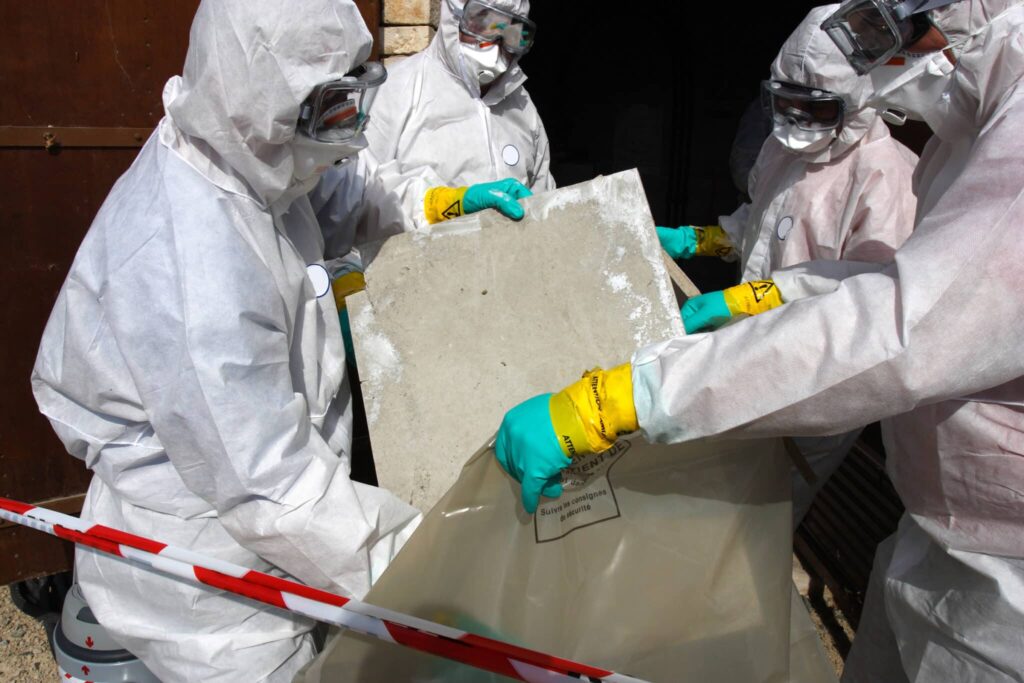
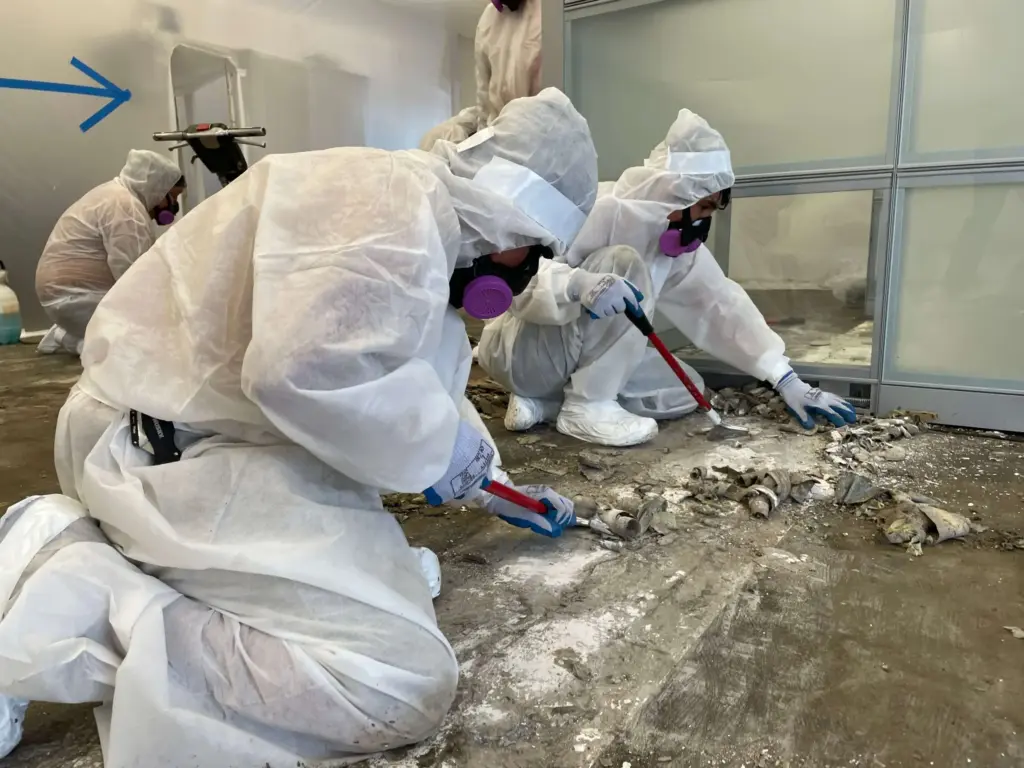
Demolition is required when building materials are unsalvageable, when hidden moisture cannot be reached by drying equipment, or when contamination (such as sewer backups) makes materials unsafe to retain. Signs that demolition may be needed include compromised structural members, persistent elevated moisture readings despite drying equipment, or visible mold and staining deep within cavities. A targeted, minimal-demolition approach—opening only what’s necessary to access and dry materials—reduces timeline and cost compared with full-scale gutting. Rapid Response documents the need for demolition clearly and coordinates with homeowners and insurers before proceeding.
How do mold concerns change the restoration timeline?
If mold is discovered during inspection or cleaning, the project scope changes to include containment, remediation, and post-remediation verification. This adds time because containment protocols, negative-pressure setups, and microbial cleaning are required to protect occupants and workers. Post-remediation testing and clearance criteria must be met before reconstruction begins. Rapid Response includes mold prevention and, when necessary, remediation steps in its workflow to ensure that timelines reflect added steps but prioritize occupant safety and long-term outcomes.
How long does reconstruction usually take after drying is complete?
Reconstruction time depends on the scale of repairs. Minor repairs (patching drywall, replacing baseboards, and limited flooring repair) can be completed in a few days to a couple of weeks. Moderate reconstruction—replacing subfloors, HVAC repairs, or extensive drywall replacement—may take several weeks. Major reconstruction that involves structural work, full-room rebuilds, or custom finishes can take multiple months. Rapid Response coordinates with local trades and expedites permitting and procurement where possible to shorten reconstruction windows while maintaining code compliance and quality standards.
Will insurance payments affect how quickly repairs happen?
Insurance approvals can affect timelines; fast approval and direct communication with adjusters speed project progress, while multiple rounds of review or disputed scopes can delay reconstruction. Rapid Response’s thorough documentation—moisture logs, photos, and detailed scopes—helps streamline insurer decisions. Homeowners should notify their insurer promptly, provide claims documentation, and authorize direct contact between the insurer and the restoration contractor to accelerate approvals and keep the project moving.
What can I do immediately to reduce the timeline before professionals arrive?
First ensure safety: shut off electricity if water is near outlets and turn off the main water supply if you can safely do so. Remove valuables and electronics from affected areas to prevent secondary damage. Take dated photos for insurance documentation and avoid attempts to dry walls or use household fans for large losses—these can spread contamination or be ineffective. Contact a reputable local restoration company right away to get professional mitigation started quickly, which materially shortens the overall timeline and reduces long-term costs.
How long will it take to get back into my home safely after water damage?
Return timelines vary. For minor incidents with clean water and limited materials affected, occupants often return within a few days to a week once moisture readings show dryness and repairs are complete. For moderate to severe incidents, or those involving contamination or structural repairs, occupants may be displaced for multiple weeks or months. Rapid Response focuses on restoring habitability as soon as safety and dryness criteria are met, coordinating temporary housing documentation and providing frequent updates so families and business owners can plan accordingly.
Conclusion and next steps for Grand Junction property owners
Water damage restoration timelines in Grand Junction range from a few days for small, contained clean-water events to many weeks or months for major structural damage or contaminated water incidents. Rapid Response’s local experience, documented workflows, industrial equipment, and established vendor relationships help reduce project durations and improve predictability. If you’re facing water damage, document the loss, ensure safety, and contact a local restoration partner to begin mitigation immediately. For help coordinating a fast, documented response tailored to Grand Junction conditions, reach out to Rapid Response through our homepage link to arrange an immediate assessment and get a realistic timeline for your specific loss.
Explore more about detailed water damage procedures and services at Rapid Response’s dedicated water damage services page with local case details and process documentation for Grand Junction