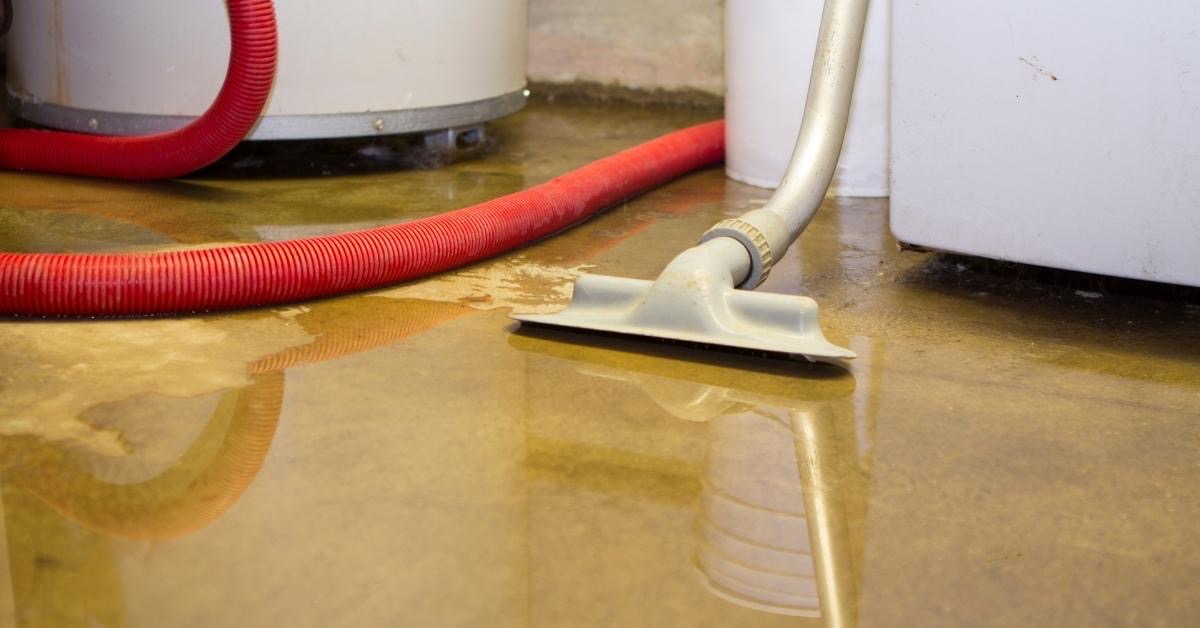
When water damage strikes in Grand Junction, minutes matter — and yes, Rapid Response provides 24/7 emergency water damage restoration so you can get help immediately when you need it most.
Why 24/7 Emergency Availability Matters for Water Damage in Grand Junction
Water intrusion from burst pipes, roof leaks, flash storms, or sewage backups is time-sensitive: standing water and elevated moisture levels can cause structural weakening, electrical hazards, mold growth, and irreversible damage to finishes and personal property if not addressed quickly.
Rapid Response advertises round-the-clock emergency service for water damage restoration in Grand Junction, CO, with on-site response times often between 30 minutes and four hours depending on severity and location, which is critical for limiting secondary damage and mold risk.
Rapid Response’s 24/7 Service: What to Expect
When you call Rapid Response for a water emergency, you will typically receive an immediate triage and dispatch of a qualified technician who follows a proven mitigation workflow designed to stabilize the property fast and safely.
- Immediate dispatch and rapid arrival: The team is local to Grand Junction and positions crews so most response times are under an hour, enabling prompt on-site assessment and mitigation.
- Comprehensive inspection: Technicians conduct a full walkthrough to locate the water source, measure moisture levels, and identify affected building assemblies and contents.
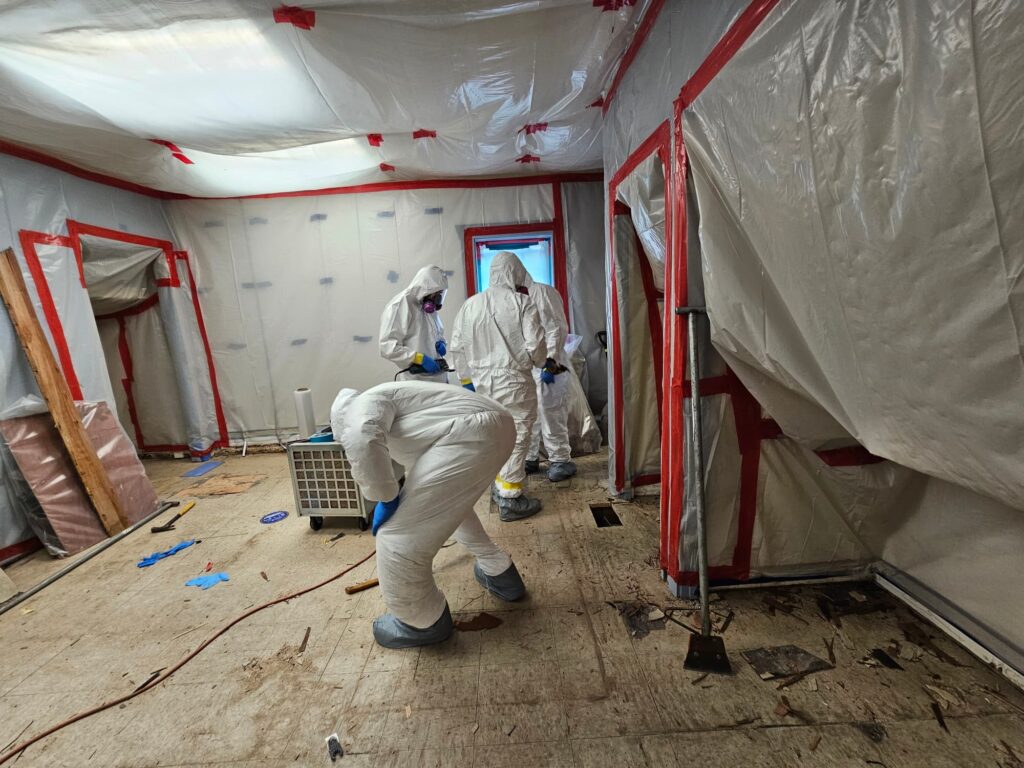
- Containment and mitigation: Containment (shutting off sources, blocking spread), water extraction, and preliminary drying begin right away to limit damage and health risks.
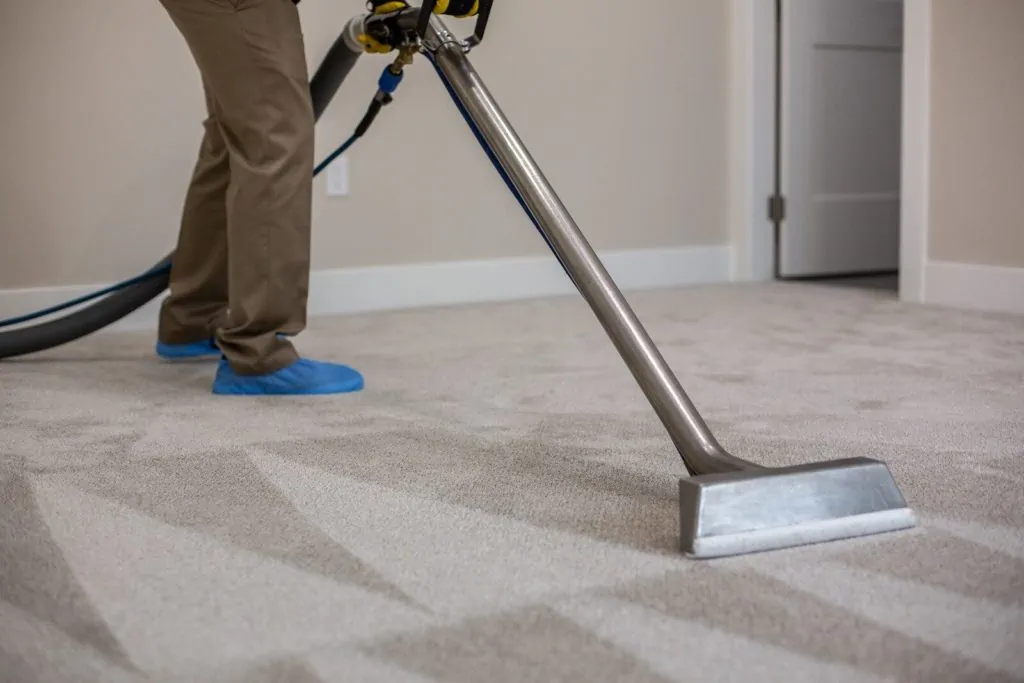
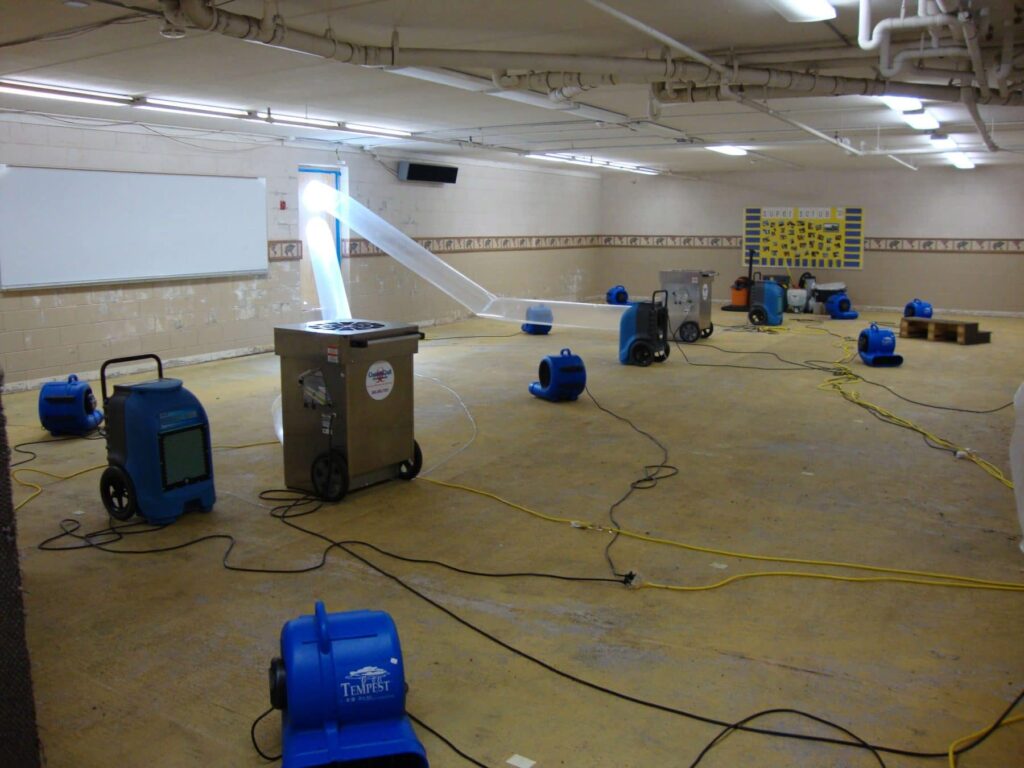
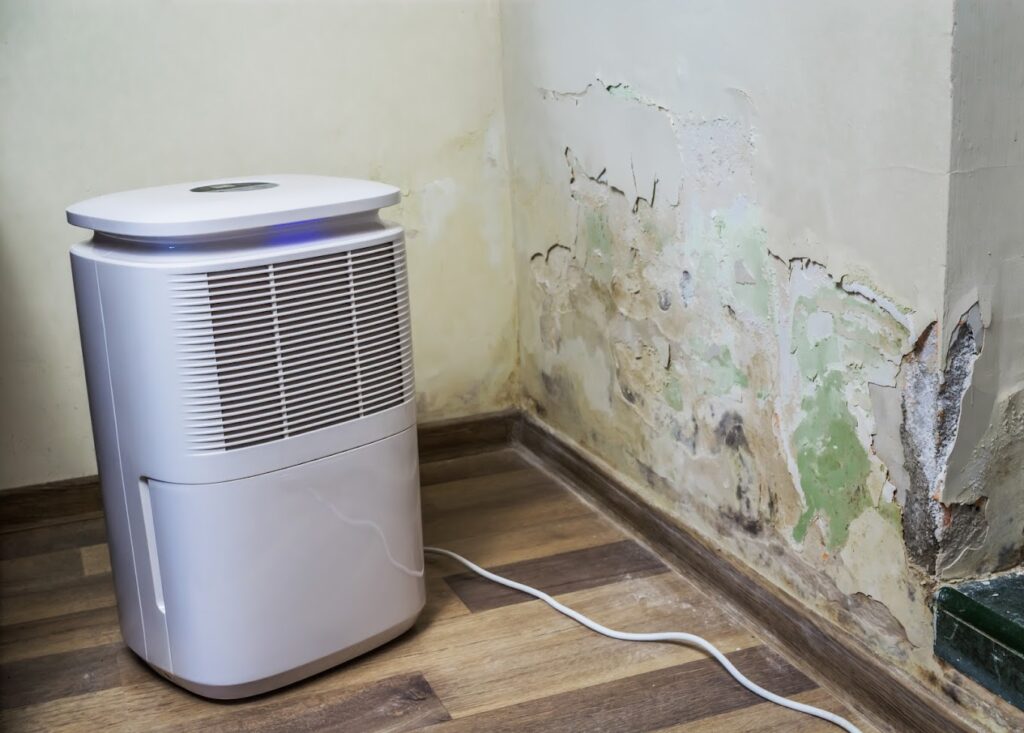
- Drying and restoration plan: Using industrial extraction tools, air movers, dehumidifiers, and thermal imaging, a customized drying and restoration plan is created and implemented.
- Insurance coordination and documentation: The crew documents damage and remediation steps to help with claims and communicates with property owners about options and timelines.
Services Covered During an Emergency Call
Rapid Response’s emergency coverage spans the full spectrum of immediate actions homeowners and businesses need after water intrusion. In addition to extraction and drying, their emergency service commonly includes:
- Assessment of structural safety and hazards
- Containment of contaminated water and sewage mitigation
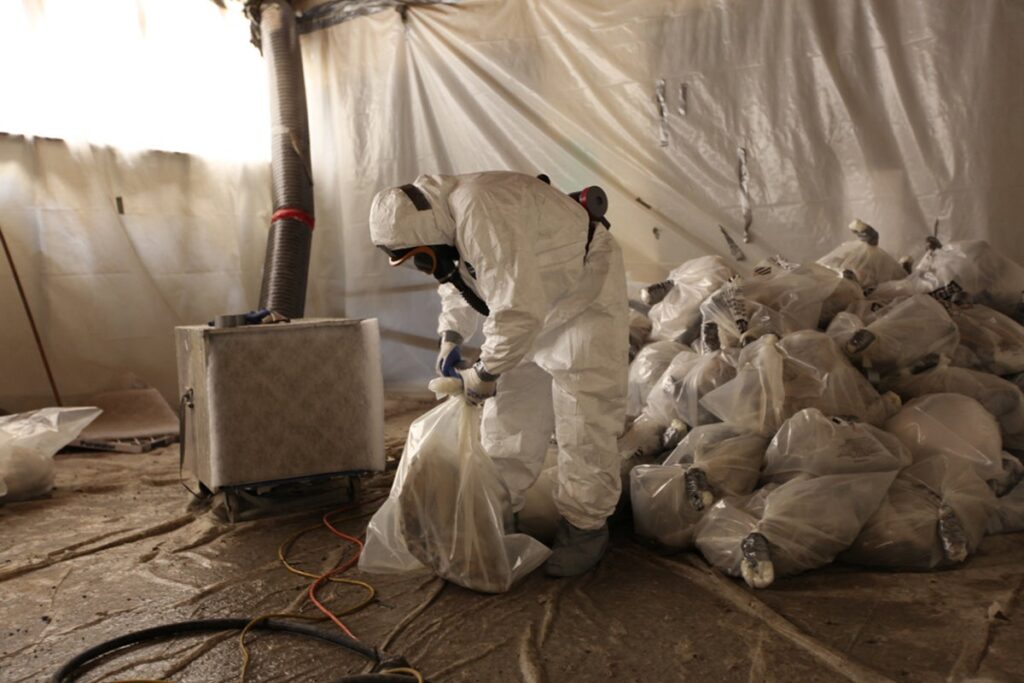
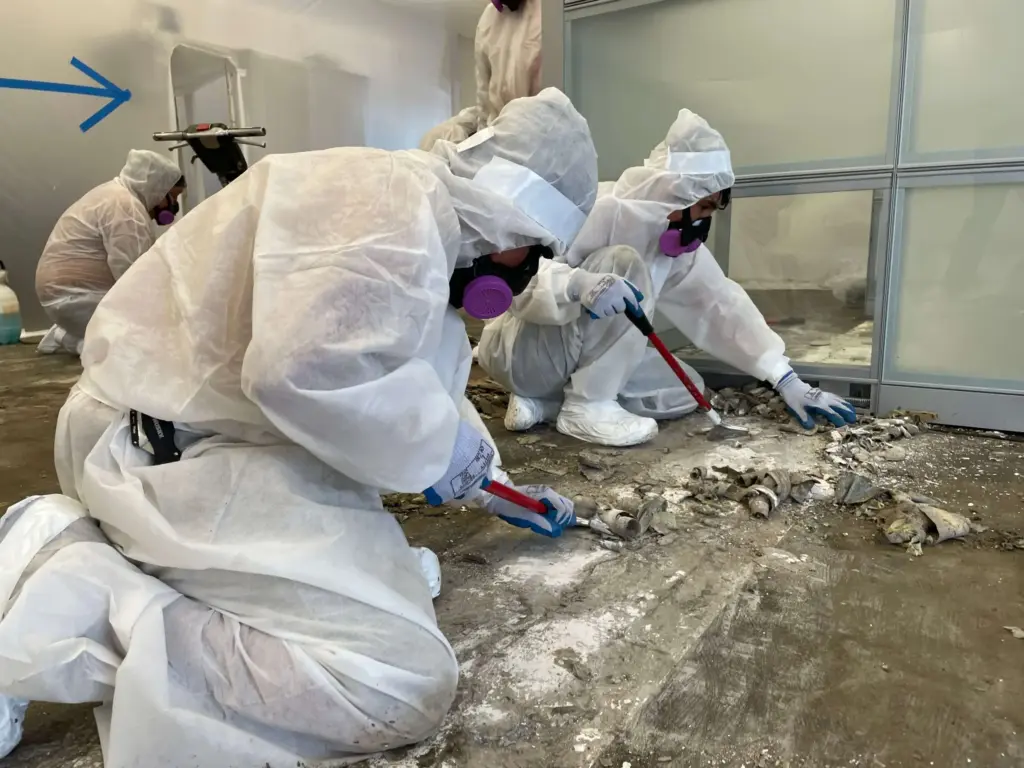
- Removal of saturated materials when necessary (carpets, drywall, insulation)
- Advanced moisture mapping and thermal imaging
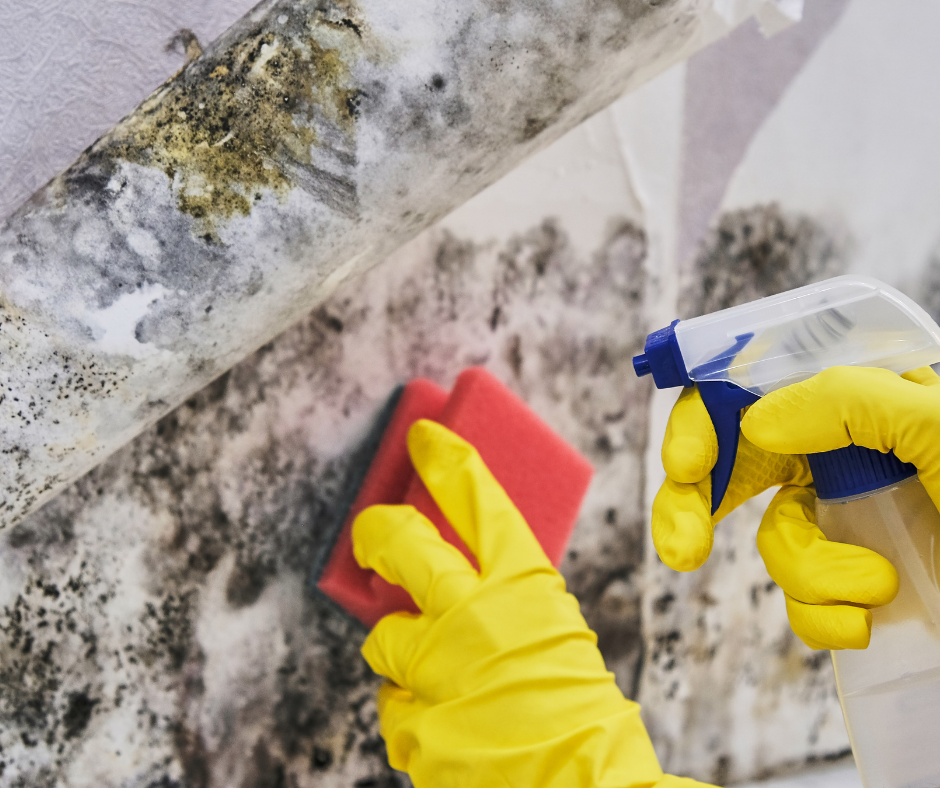
- Odor control and antimicrobial treatments
- Restoration planning and repair coordination
Geographic Reach and Local Presence in Western Colorado
Rapid Response is based in Grand Junction and serves Grand Junction and surrounding Western Colorado communities, including Delta, Montrose, Fruita, Clifton, and the Redlands neighborhoods, which allows crews to be positioned for quick local response across the region.
Being locally based also means Rapid Response technicians are familiar with Grand Junction’s unique weather risks — such as sudden summer cloudbursts that can overwhelm drainage or spring snowmelt — and the construction types common in the area (basement/foundation conditions, slab-on-grade homes, and older downtown building stock around the downtown core and near South Main Street).
Real-World Response Examples and Experience
Rapid Response highlights decades of local experience and a family-owned structure, reporting more than 30 years working in restoration and a long track record of serving homeowners, property managers, and commercial clients in the area. This deep local history translates into knowledge of common Grand Junction trouble spots such as crawlspaces under homes in the Redlands area, basements in midtown neighborhoods, and commercial properties near the I-70 interchange where roof or plumbing failures can rapidly impact tenants and operations.
Because they operate locally, Rapid Response teams often arrive to emergency calls within roughly 45 minutes in Grand Junction, enabling immediate mitigation steps that reduce repair scope and cost. Their on-site actions typically include water extraction, moisture mapping, containment and dehumidification setup, and initial documentation for insurance.
Certifications, Credentials, and Commitment to Standards
Rapid Response positions itself as a certified and licensed restoration company with trained technicians who follow industry best practices and environmental regulations. The company emphasizes using professional-grade equipment and adherence to restoration industry guidelines to ensure drying and antimicrobial treatments meet recognized standards of care.
The family-owned team reports licensed technicians on every job and a satisfaction guarantee for clients, reflecting accountability and quality control in each emergency response and full-scale restoration project.
How Rapid Response Prioritizes Safety and Code Compliance During Emergencies
During a 24/7 emergency response, safety is a primary concern. Rapid Response crews evaluate electrical hazards, gas or structural risks, and contaminated water concerns before operations proceed. They coordinate with regulatory agencies when required and pause to involve licensed electricians, plumbers, or building inspectors if safety systems are compromised.
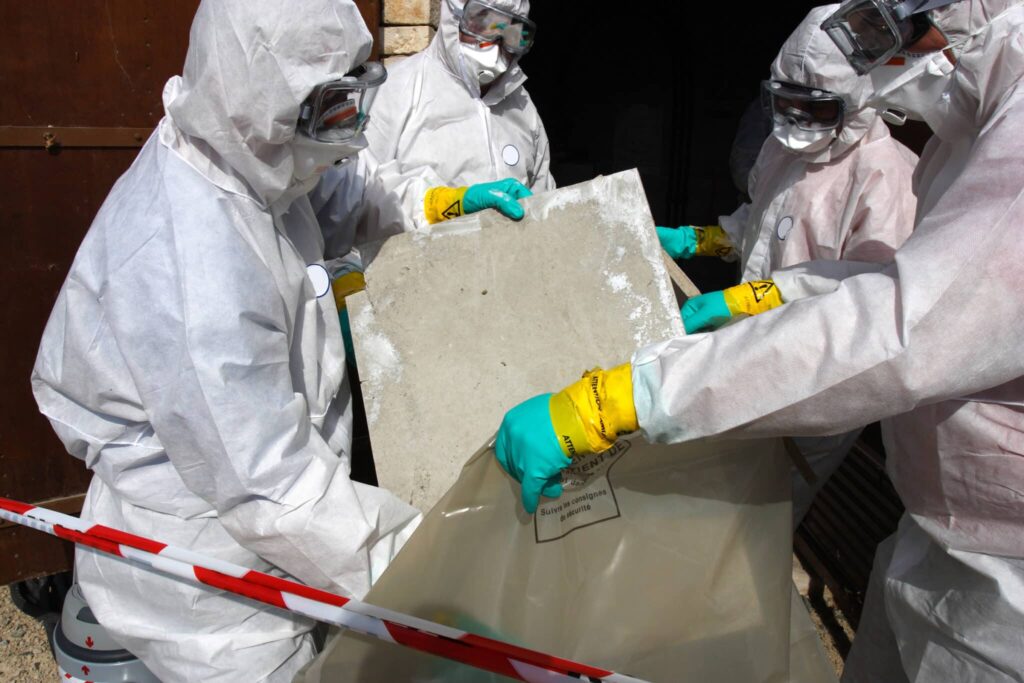
Following industry protocols for handling Category 2 and Category 3 water (contaminated or sewage-impacted water), technicians use proper personal protective equipment, contain cross-contamination, and remove unsalvageable porous materials when needed to protect occupant health.
Insurance and Documentation Support During Emergencies
Rapid Response provides thorough documentation of damage and remediation steps to support insurance claims. Technicians photograph affected areas, record moisture and humidity readings, and produce a scope-of-work that lists recommended demolition, drying objectives, and restoration steps.
Since many homeowners and property managers contact the company during off-hours, Rapid Response’s experience working with insurance processes helps reduce delays: they provide clear documentation packets and can coordinate with adjusters so emergency work proceeds without unnecessary wait times.
What Rapid Response Will Ask When You Call at 2 a.m.
When you call Rapid Response’s emergency line in Grand Junction, expect triage questions to help prioritize response: the source of the water (pipe, appliance, roof, storm), whether electricity is present in affected areas, the extent and location of visible standing water, any signs of sewage contamination, and whether anyone is in immediate danger or disabled.
Providing photographs via phone and being ready to shut off water at the main shutoff valve if safe to do so will speed mitigation and protect belongings until technicians arrive.
Typical Emergency Response Timeline
While each incident is unique, a common timeline for Rapid Response’s 24/7 emergency water restoration looks like this:
- 0–15 minutes: Emergency call triage and dispatch
- 30–60 minutes: Crew arrival (Grand Junction local response often under one hour)
- 30–90 minutes on-site: Full assessment, initial containment, water extraction start
- 1–3 days: Aggressive drying phase with air movers and dehumidifiers, daily monitoring
- 3–14+ days: Reconstruction or repair phase for affected assemblies depending on severity
Why Acting Immediately with a 24/7 Team Saves Money
Immediate mitigation reduces the need for demolition and structural repairs by lowering the duration of elevated moisture that causes swelling, weakening, and microbial growth. An on-site Rapid Response crew can extract water quickly, set drying goals, and reduce the claimable repair scope — saving homeowners both in direct repair costs and long-term health- and mold-related expenses.
Local Knowledge: Grand Junction Neighborhoods and Landmarks Relevant to Water Damage Risks
Rapid Response’s local experience includes many Grand Junction neighborhoods and landmarks where water problems commonly occur or require special attention, such as Redlands (older irrigation systems and earthen drainage), Fruita corridor properties (seasonal storms), downtown near South Main Street and the historic Lincoln Park area (older building stock and basements), the area around Colorado Mesa University (multifamily properties and student housing), and commercial corridors along North Avenue and I-70 interchanges where roof or plumbing failures can quickly disrupt business operations.
Knowing local features such as the Colorado River’s proximity to certain neighborhoods, the McInnis Canyons National Conservation Area and local open-space drainage patterns, and popular local parks like Lincoln Park and Las Colonias Park helps technicians anticipate flood paths and typical problem areas during heavy rains or snowmelt events.
Common Emergency Scenarios and Rapid Response Actions
- Burst pipes in winter: Rapid Response secures the water source, extracts standing water, and begins targeted drying to protect framing and finishes.
- Flash storm flooding: The team performs fast extraction, containment of contaminated water, and coordinates with local agencies if street flooding or public stormwater systems are involved.
- Sewage backups: Rapid Response takes immediate containment, disinfecting, and removal of contaminated materials, following safety protocols for hazardous water.
- Appliance failures (water heater, washing machine): Quick extraction and drying reduce damage to flooring and adjacent walls, with repairs coordinated afterward.
Quality Assurance and Post-Remediation Verification
After drying is complete, Rapid Response documents moisture levels to verify drying goals have been achieved and completes a final walkthrough with the property owner. This final verification reduces the risk of hidden moisture pockets that can lead to later mold problems.
The company’s satisfaction guarantee and licensed technicians serve as additional quality-control steps, ensuring restoration aligns with homeowner expectations and industry best practices.
How to Prepare for an Emergency Call in Grand Junction
- Locate your main water shutoff and any appliance shutoffs.
- Turn off electricity in affected areas if water is near outlets or you suspect electrical hazards (only if safe).
- Move irreplaceable items and documents to dry areas if possible.
- Take photos and short videos for documentation and insurance.
- Call Rapid Response as soon as you detect a serious leak or standing water to get their 24/7 team dispatched.
Contacting Rapid Response for Round-the-Clock Assistance
Rapid Response provides a phone-based emergency intake system so Grand Junction homeowners and businesses can call anytime to report water damage and request immediate dispatch. Their local presence in Grand Junction ensures quick on-site arrival and rapid mitigation to reduce the scope of repairs.
For general information, scheduling non-emergency inspections, or learning more about services, homeowners can also visit the company’s homepage to explore their services and local focus in Western Colorado.
Author Bio and Company Credentials
Byline: Rapid Response — Grand Junction water damage restoration specialists with more than 30 years of local restoration experience and a family-owned tradition of prompt, licensed, and certified service. Rapid Response’s technicians are trained and certified to industry standards and bring professional-grade equipment and documented processes to every emergency response.
Rapid Response is committed to following restoration industry guidelines and environmental rules, providing transparent documentation and a satisfaction guarantee for each project. Their local crews are experienced with the specific conditions that affect homes and businesses in Grand Junction and the surrounding Western Colorado communities.
How We Researched This Post
This post draws on Rapid Response’s publicly stated service commitments, emergency response descriptions, and local operations focused on Grand Junction and Western Colorado. Information about 24/7 dispatch, typical on-site response times, scope of emergency services, local service areas (including Grand Junction, Delta, Montrose, Fruita, Clifton, and the Redlands), and company credentials informed the practical guidance and local examples included here.
Additional Resources and Internal Links
For more detailed information about water damage services and emergency response options in Grand Junction, visit Rapid Response’s dedicated water damage page to learn about mitigation steps, what to expect during emergency service, and real‑world restoration examples.
To navigate to Rapid Response’s main site for scheduling, company background, and contact details, use the Rapid Response home page for full service listings and local contact information.
Preventive Steps to Reduce Emergency Calls
While Rapid Response is available 24/7, preventive maintenance reduces the chance you’ll need emergency help. Seasonal checks on your roof, regular inspection of appliance hoses, insulating exposed pipes for winter, keeping gutters cleared, and confirming proper grading around foundations can prevent small issues from becoming emergencies.
For rental properties near Colorado Mesa University, multifamily buildings downtown, or commercial properties along major corridors, consider scheduled property inspections and moisture monitoring to catch slow leaks early.
Conclusion
Rapid Response’s 24/7 emergency water damage restoration availability in Grand Junction means help is reachable at any hour — an essential capability when standing water and moisture threaten property and health. Their local presence, documented procedures, licensed technicians, and quick response times are designed to limit damage, support insurance workflows, and return properties to safe, dry conditions as quickly as possible.
Frequently Asked Questions
Is Rapid Response really available 24/7 for water damage emergencies in Grand Junction?
Yes. Rapid Response provides 24/7 emergency water damage restoration services in Grand Junction so property owners can call any time they discover significant leaks, flooding, or sewage backups. Their emergency dispatch is designed to triage calls immediately and send a certified technician to the site as quickly as possible. Because they are based locally, crews are typically staged to provide rapid arrivals—often under an hour—so initial containment and extraction begin without delay. This around-the-clock availability helps reduce secondary damage and mold growth, and it ensures that both homeowners and businesses have access to professional mitigation at any hour.
How quickly will Rapid Response arrive after I call in Grand Junction?
Response time depends on the location and severity of the incident, but Rapid Response emphasizes a rapid local presence with most Grand Junction responses typically under 60 minutes. Their site notes an advertised on‑site response window that ranges between roughly 30 minutes and four hours depending on the situation. In practice, most local emergency calls in the Grand Junction area see crews arrive within about 45 minutes to begin assessment and mitigation, which is crucial for limiting damage and initiating drying steps immediately.
What happens during Rapid Response’s first on-site visit during an emergency?
On arrival, Rapid Response performs a full inspection to identify the water source, scope of damage, and any safety hazards. The crew documents conditions, measures moisture levels, and begins containment and extraction right away. They focus on stopping the source of water when possible, removing standing water using professional extraction equipment, and setting up air movers and dehumidifiers to begin the drying process. They also assess for contaminated water concerns, coordinate with regulatory agencies if needed, and provide initial documentation for insurance claims.
Do Rapid Response technicians handle sewage or contaminated water during emergencies?
Yes. Rapid Response is equipped to manage sewage backups and other contaminated water incidents. Technicians follow safety protocols for Category 2 and Category 3 water, use personal protective equipment, contain contaminated areas to prevent cross-contamination, and remove porous materials that cannot be effectively disinfected. Their process includes disinfection and antimicrobial treatments as needed to protect occupant health and prepare the property for restoration.
Will Rapid Response work with my insurance company after an emergency call?
Rapid Response provides thorough documentation—photographs, moisture readings, and a scope of recommended work—to support insurance claims and help move the claims process forward. Their teams are experienced coordinating with adjusters and can provide the documentation and explanation insurers commonly require so emergency mitigation can proceed without undue delays. They also outline repair and reconstruction steps to align with claim settlement expectations.
What neighborhoods and areas in Grand Junction does Rapid Response serve for emergency calls?
Rapid Response serves Grand Junction and surrounding Western Colorado communities, including neighborhoods and commercial areas such as the Redlands, downtown Grand Junction near South Main Street and Lincoln Park, Fruita, Clifton, Delta, Montrose, and areas near the I-70 interchanges. Their local operations focus on Western Colorado so they can maintain fast response times across these communities, offering both residential and commercial emergency services.
How does Rapid Response verify that an emergency drying job is complete?
After the active drying phase, Rapid Response takes moisture and humidity readings and compares them to established drying goals to confirm that building materials have returned to acceptable moisture levels. They document these readings and perform a final walkthrough with the property owner to review the work completed, ensuring there are no hidden moisture pockets and that the property is ready for any necessary repairs or reconstruction. This verification helps reduce the risk of future mold and ensures the work meets industry standards.
Are Rapid Response technicians certified and trained for emergency water restoration?
Rapid Response emphasizes licensed and certified technicians on every job, bringing professional-grade equipment and restoration best practices to emergency calls. Their family-owned company highlights more than 30 years of local experience, training staff to meet industry guidelines and local environmental regulations. The certification and training help ensure emergency mitigation follows recognized protocols for safety, drying, and contamination control.
What should I do immediately before Rapid Response arrives to handle a water emergency?
If safe to do so, shut off the main water supply to stop further intrusion, turn off electricity to affected areas if water reaches outlets (only if it is safe), and move irreplaceable items and documents to dry locations. Take photos or short videos for documentation and call Rapid Response immediately to dispatch a crew. Avoid walking through wet areas where electrical hazards may exist and keep children and pets away from contaminated water. These quick steps help preserve personal items and speed mitigation once technicians arrive.
How much does a Rapid Response emergency call typically cost in Grand Junction?
Costs vary based on water category, affected square footage, and whether demolition or reconstruction is required, but Rapid Response offers immediate mitigation and a free initial quote or consultation following assessment. Because swift mitigation often reduces the scope of necessary repairs, rapid emergency response can lower overall costs compared with delayed action. For exact pricing, Rapid Response provides individualized estimates after the on-site inspection and documentation is completed.
Conclusion and Next Steps
If you face a water emergency in Grand Junction, Rapid Response’s 24/7 availability, local crews, licensed technicians, and documented emergency procedures make them a practical choice for immediate mitigation and restoration. Call their emergency line as soon as you detect serious water intrusion to get fast, professional assistance that limits damage and supports insurance processes.
For detailed service descriptions and to request emergency dispatch, visit Rapid Response’s water damage page to learn more about their mitigation process and local response options. For general company information, scheduling, or contact details, visit the Rapid Response home page to access full service listings and local contact numbers.