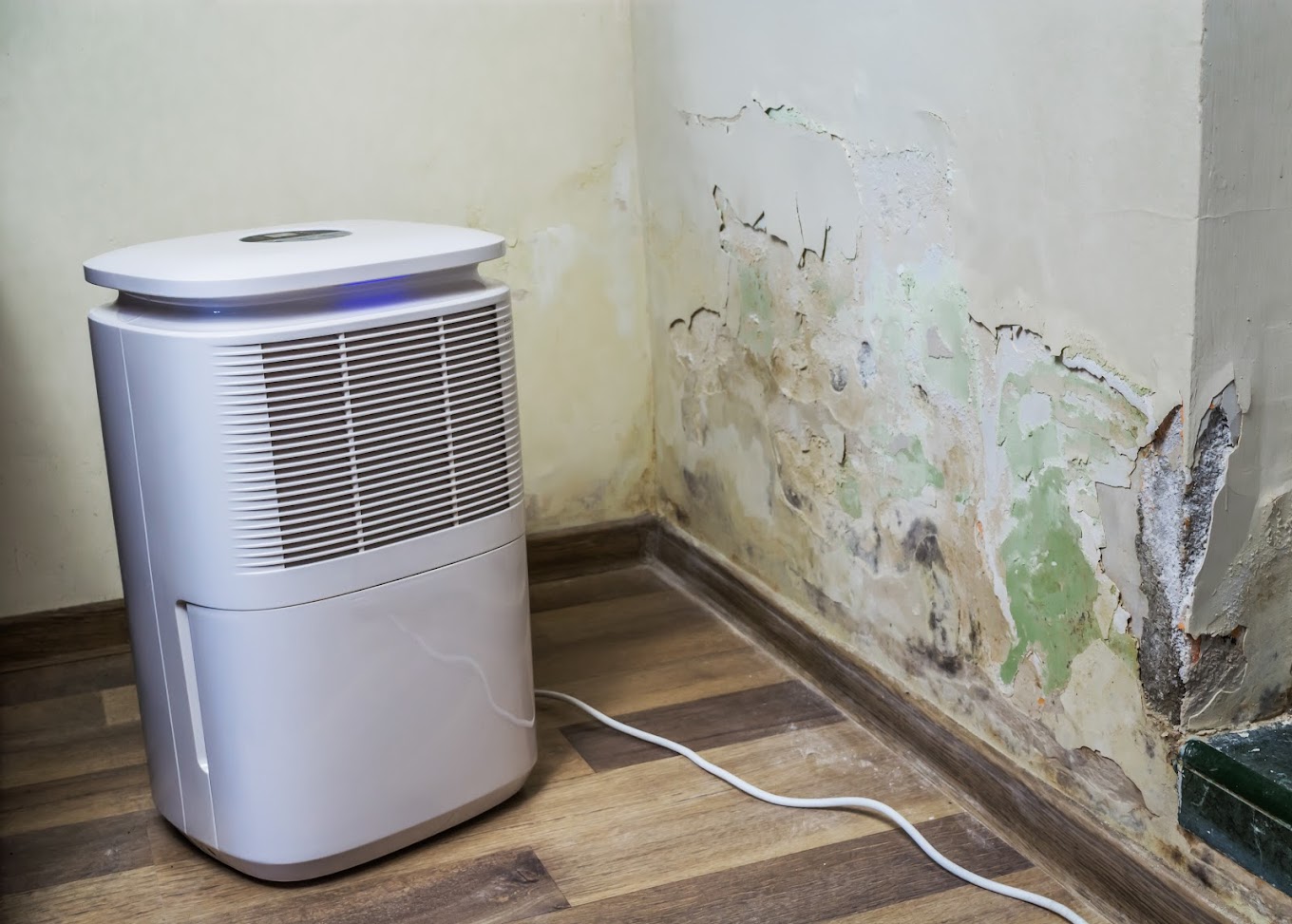
Mold in Grand Junction homes and businesses can silently trigger serious health issues, from respiratory problems to chronic fatigue. Rapid Response Grand Junction Mold Remediation Experts delivers fast, professional services to protect your family’s health in areas like North Grand Junction and near Lincoln Park.
Why Mold Thrives in Grand Junction and Poses Unique Risks
Grand Junction’s semi-arid climate might seem unlikely for mold growth, but hidden moisture from Colorado River Valley humidity spikes, leaky roofs after monsoon seasons, and poor ventilation in homes near I-70 interchanges create perfect conditions. Neighborhoods like Redlands and the Broadway corridor often see mold in basements after summer storms. Local parks such as Lincoln Park or recreational spots around the Colorado National Monument can indirectly contribute when outdoor dirt and pollen mix with indoor dampness. Rapid Response has tackled mold in properties near Junction West Shopping Center and schools like Grand Junction High School, where families report allergy flare-ups.
Mold spores float through the air, infiltrating HVAC systems in tightly sealed modern homes around Horizon Drive. When inhaled, they irritate lungs, sinuses, and skin. In Grand Junction, where dust storms from nearby Rabbit Valley exacerbate issues, exposure risks amplify for residents with asthma or weakened immunity. Children playing in backyards near Las Colonias Park or elderly in retirement communities face heightened dangers from prolonged contact.
Common Health Risks from Mold Exposure in Our Community
Respiratory problems top the list of mold health risks in Grand Junction. Sneezing, coughing, wheezing, and sinus congestion mimic seasonal allergies but persist year-round in damp crawlspaces. Families in the East Orchard Mesa area have shared stories of kids developing chronic coughs after water damage from irrigation leaks near the Gunnison River.
Asthma exacerbation is another major concern. Mold triggers attacks, especially in vulnerable groups like young children and seniors. Near major intersections like 32 1/2 Road and Patterson Road, where traffic and dust stir spores, symptoms worsen. Eye irritation, including redness and itching, affects drivers commuting via Highway 50.
Skin rashes and irritation emerge from direct contact with moldy surfaces. In humid bathrooms of homes around Bookcliff Country Club, residents notice persistent dermatitis. More severe cases involve mycotoxins, leading to headaches, fatigue, and brain fog. Grand Junction’s dry air masks these until they intensify.
Immunocompromised individuals, common in our aging population near St. Mary’s Medical Center, risk fungal infections. Prolonged exposure weakens immunity, inviting secondary illnesses. Neurological effects like memory issues and mood swings have been noted in long-term cases handled by local remediation teams.
Long-Term Dangers: Beyond Immediate Symptoms
Chronic mold exposure in Grand Junction leads to fatigue that disrupts daily life, from hiking in the Colorado National Monument to shopping at Mesa Mall. Respiratory infections become recurrent, straining healthcare resources at local clinics. Skin conditions evolve into chronic eczema, while allergic reactions heighten sensitivity to local pollen from peach orchards in Palisade.
In severe instances, mold contributes to conditions like Chronic Inflammatory Response Syndrome (CIRS), affecting about 25% of genetically predisposed people. Symptoms include hormone imbalances and persistent inflammation, hitting hard in water-damaged properties post-floods near the Uncompahgre River. Neurological impacts, such as dizziness and cognitive fog, impair work at businesses along North Avenue.
Cancer links exist via aflatoxins from certain molds on grains stored in damp garages. Mental health suffers too, with increased anxiety and depression reported in mold-affected households near Chipeta Park. Prompt action prevents these escalations, safeguarding community well-being.
How Moisture Builds Up in Grand Junction Homes
Despite low rainfall, Grand Junction sees mold from plumbing leaks, high indoor humidity above 60%, and condensation in poorly insulated attics. Basements under homes in the West End flood from melting snow off the Bookcliffs. HVAC systems in newer developments near Chipeta Golf Course circulate spores if filters clog with local red dirt.
Organic materials like wood framing and drywall in historic districts around downtown feed mold. After heavy irrigations near the Grand Mesa, crawlspaces stay damp. Inadequate ventilation in energy-efficient homes traps moisture, mimicking conditions in wetter climates.
Rapid Response: Your Trusted Mold Remediation Partner in Grand Junction
Rapid Response stands out as the go-to experts for Professional Mold Remediation Services in Grand Junction, Delta, Montrose. With years of local experience, their IICRC-certified technicians handle everything from inspection to full restoration. They’ve served Grand Junction, Delta, and Montrose counties, removing mold from residential and commercial properties efficiently.
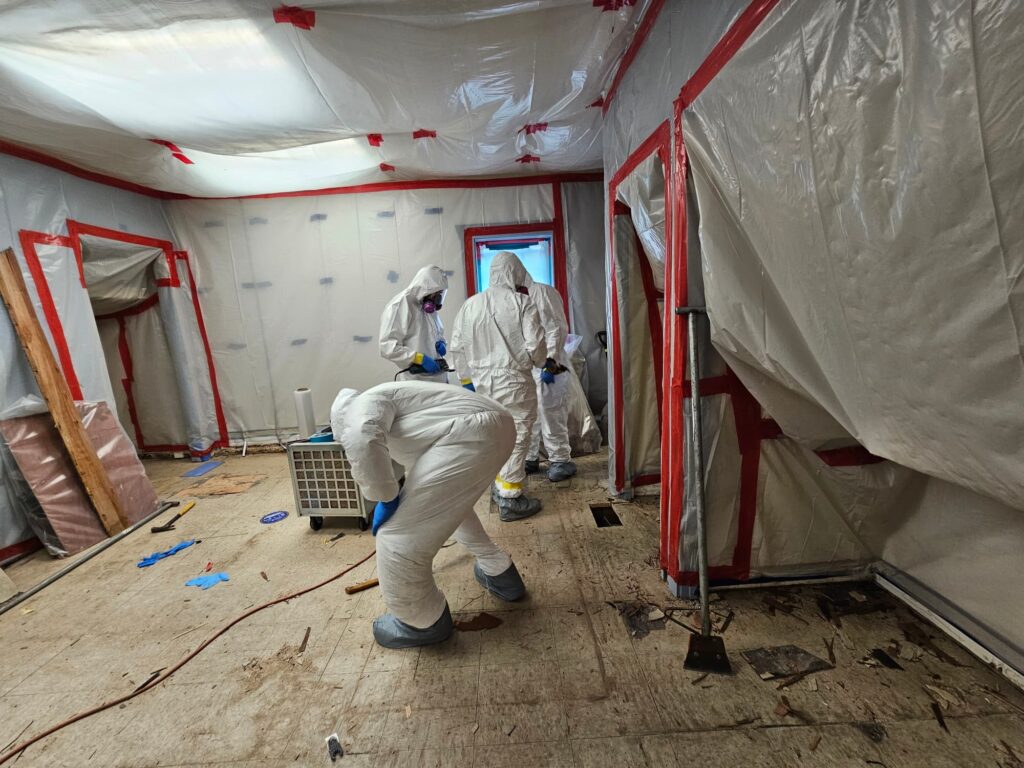
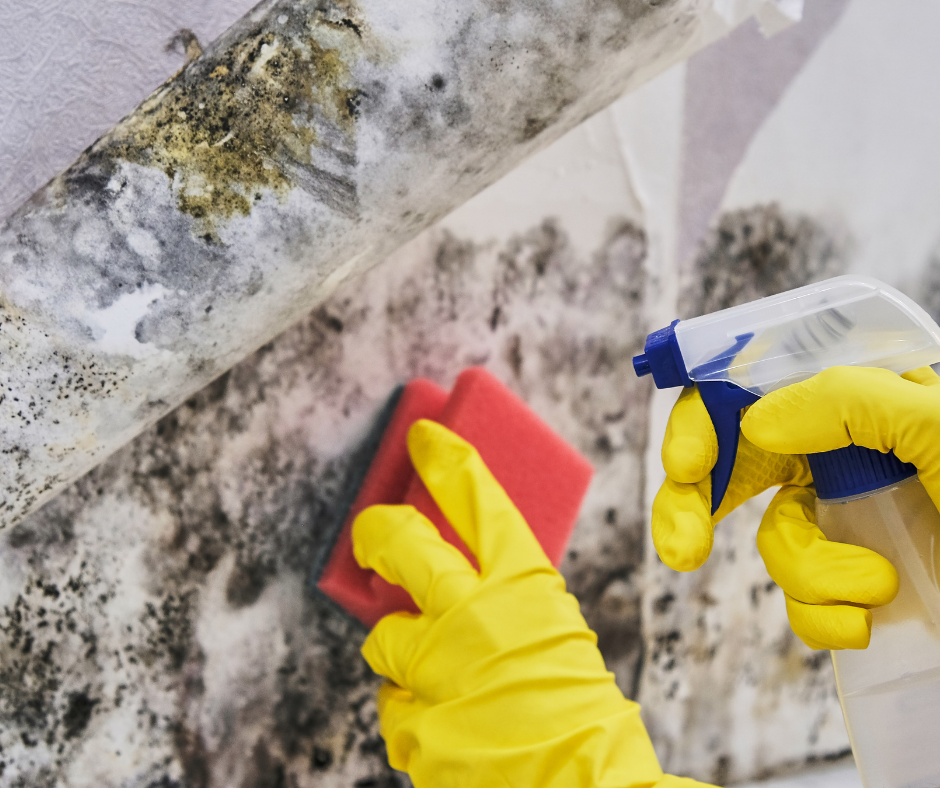
Their process starts with a thorough inspection using advanced moisture meters and air sampling to detect hidden growth behind walls in neighborhoods like Pear Park. Containment prevents spore spread during removal, crucial in tight spaces near schools like Pomona Elementary. They use HEPA vacuums and antimicrobial treatments to eradicate mold at the source.
Post-remediation verification ensures air quality meets safety standards, giving peace of mind to families near the Grand Valley Catholic Center. Rapid Response’s 24/7 emergency response tackles urgent cases, like post-storm damage in Delta’s downtown. Their eco-friendly methods minimize environmental impact, aligning with Grand Junction’s outdoor lifestyle.
Real Case Studies from Rapid Response in Our Area
In one North Grand Junction home near I-70B, a family suffered chronic respiratory issues from attic mold after a roof leak. Rapid Response’s team contained the area, removed 200 square feet of growth, and restored the space in 48 hours. Post-treatment, symptoms vanished, allowing kids to return to soccer at Lincoln Park.
A commercial job at a Montrose business revealed black mold in HVAC ducts. Technicians used negative air machines, cleared the system, and prevented downtime. The owner praised their thoroughness, noting improved employee health. In Delta, a historic home’s basement mold was remediated without structural damage, preserving value.
These examples showcase Rapid Response’s expertise in handling Grand Junction’s unique challenges, from dusty conditions to variable weather. Their track record builds trust across the Western Slope.
Prevention Tips Tailored to Grand Junction Living
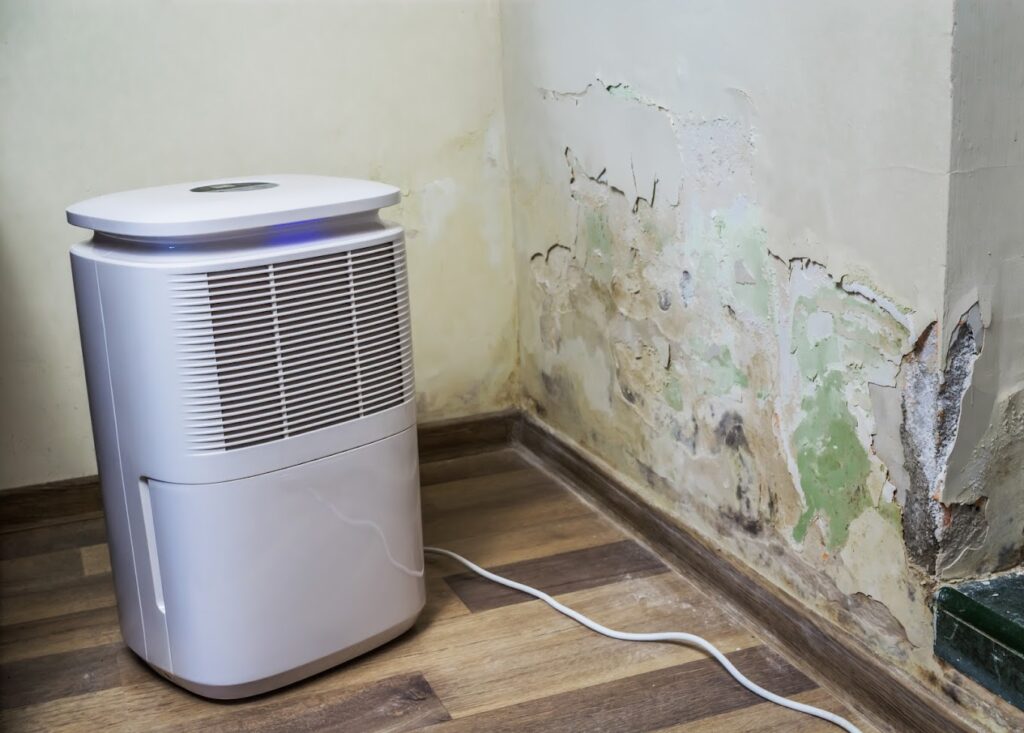
Control humidity below 50% with dehumidifiers in basements near the Colorado River. Fix leaks promptly, especially after irrigations in East End farms. Clean gutters to prevent water pooling around foundations in Redlands Mesa homes.
Use exhaust fans in bathrooms and kitchens overlooking Junction Creek. Insulate pipes to avoid condensation in winter. Regular HVAC maintenance prevents spore circulation in large homes near the airport. Store firewood outside, away from houses in rural areas like Fruita.
Monitor crawlspaces with vapor barriers, vital after spring thaws. For outdoor enthusiasts, dry gear from Colorado National Monument hikes before storing indoors. These steps reduce risks in our dry yet moisture-prone region.
Why Choose Rapid Response for GEO-Specific Expertise
Rapid Response understands Grand Junction’s terrain, from Bookcliff bluffs to valley floors. Their teams navigate tight access in hillside homes and large commercial sites near the train depot. Licensed and insured, they comply with local codes, ensuring safe, effective service.
Customer testimonials highlight quick response times, even during peak monsoon season. By focusing on Delta, Montrose, and Grand Junction, they offer unmatched local knowledge, outperforming national chains.
Frequently Asked Questions
What health risks does mold pose specifically in Grand Junction homes?
Mold in Grand Junction triggers respiratory issues like coughing, wheezing, and sinus congestion due to local dust and humidity mixes. Allergy-like symptoms including eye irritation and skin rashes affect many, especially near parks like Las Colonias. Asthma worsens in children from areas like Orchard Mesa, while chronic fatigue and headaches emerge from attic growth. Immunocompromised residents near St. Mary’s face infection risks. Mycotoxins cause brain fog and mood changes, impacting daily activities from hiking to commuting on Highway 50. Prolonged exposure links to CIRS in 25% of predisposed locals. Rapid Response inspections identify these risks early, preventing escalation in our semi-arid climate with hidden moisture sources. Professional removal restores safe indoor air, crucial for families in tight-knit neighborhoods.
How does mold grow in dry Grand Junction, Colorado?
Despite aridity, mold thrives from plumbing leaks, roof damage after storms near the Bookcliffs, and high indoor humidity over 60%. Basements flood from snowmelt in West End properties, while poor ventilation traps moisture in homes by Chipeta Park. Irrigation from nearby orchards and Colorado River humidity spikes create damp spots. HVAC systems circulate spores if clogged with red dirt from Rabbit Valley. Condensation on cold surfaces in winter fuels growth. Rapid Response uses moisture meters to detect issues invisible to the eye, common in energy-efficient builds around Horizon Drive. Prevention involves dehumidifiers and regular checks, tailored to our variable weather patterns.
What are the signs of mold exposure in Grand Junction residents?
Common signs include persistent cough, runny nose, and throat irritation mimicking allergies from local pollen. Eye redness and skin rashes appear after contact in damp bathrooms near Junction West. Wheezing and shortness of breath signal asthma triggers, hitting hard in kids playing at Lincoln Park. Fatigue, headaches, and cognitive fog indicate longer exposure, common in North Avenue offices. Severe cases bring fever-like symptoms or neurological issues. In Grand Junction, dust storms worsen inhalation risks. If symptoms linger post-cleaning attempts, call Rapid Response for professional assessment using air sampling to confirm mold as the culprit and initiate safe remediation.
How quickly does Rapid Response respond to mold emergencies in Grand Junction?
Rapid Response offers 24/7 emergency service across Grand Junction, Delta, and Montrose, arriving within hours of your call. For urgent cases like post-flood mold near the Uncompahgre, teams mobilize immediately with containment gear. In a recent Redlands incident, they started inspection same-day, completing removal in 48 hours. This speed prevents health risks from spreading, vital in family homes near schools. Their local presence ensures no delays from out-of-town crews, providing peace of mind during monsoons or pipe bursts.
Is black mold more dangerous in Grand Junction properties?
Black mold, or Stachybotrys, grows on damp cellulose like drywall in leaky basements near I-70. It produces mycotoxins causing severe respiratory issues, fatigue, and skin problems beyond typical allergies. In Grand Junction’s variable moisture, it thrives post-water damage. While CDC notes no unique infant hemorrhage link, it worsens asthma locally. Rapid Response treats all molds equally, using HEPA systems for safe removal. Their verification post-job confirms elimination, protecting vulnerable groups in retirement areas like Pear Park.
Can children and elderly in Grand Junction safely live with mold?
No, children under two and elderly face heightened risks from mold, including life-threatening infections if immune-compromised. Respiratory symptoms exacerbate near playgrounds like Tot Lot Park, while chronic exposure leads to developmental issues. In Grand Junction’s dusty air, symptoms intensify. Rapid Response prioritizes safe remediation with containment to avoid spore spread during family occupancy. Post-treatment air testing ensures safety for return, as seen in cases near Grand Junction High School.
What is the remediation process used by Rapid Response?
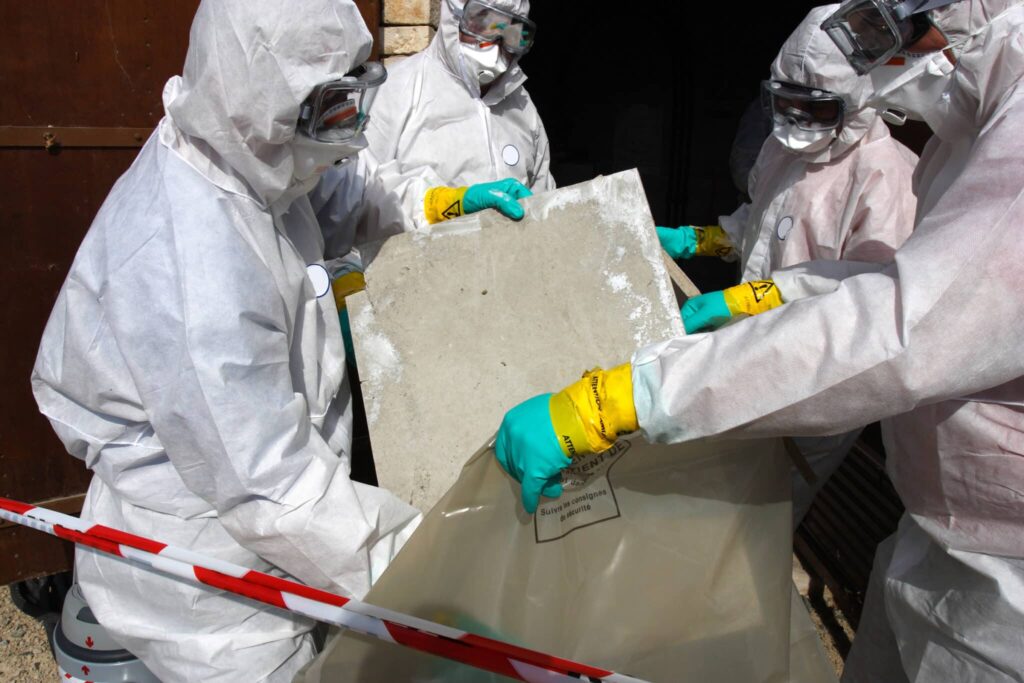
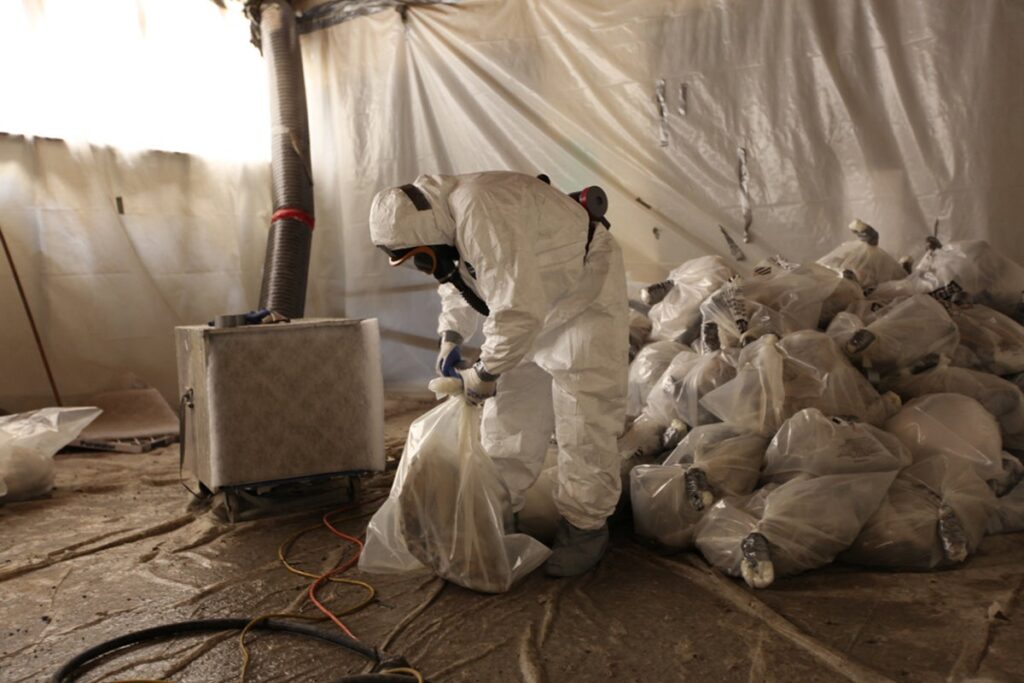
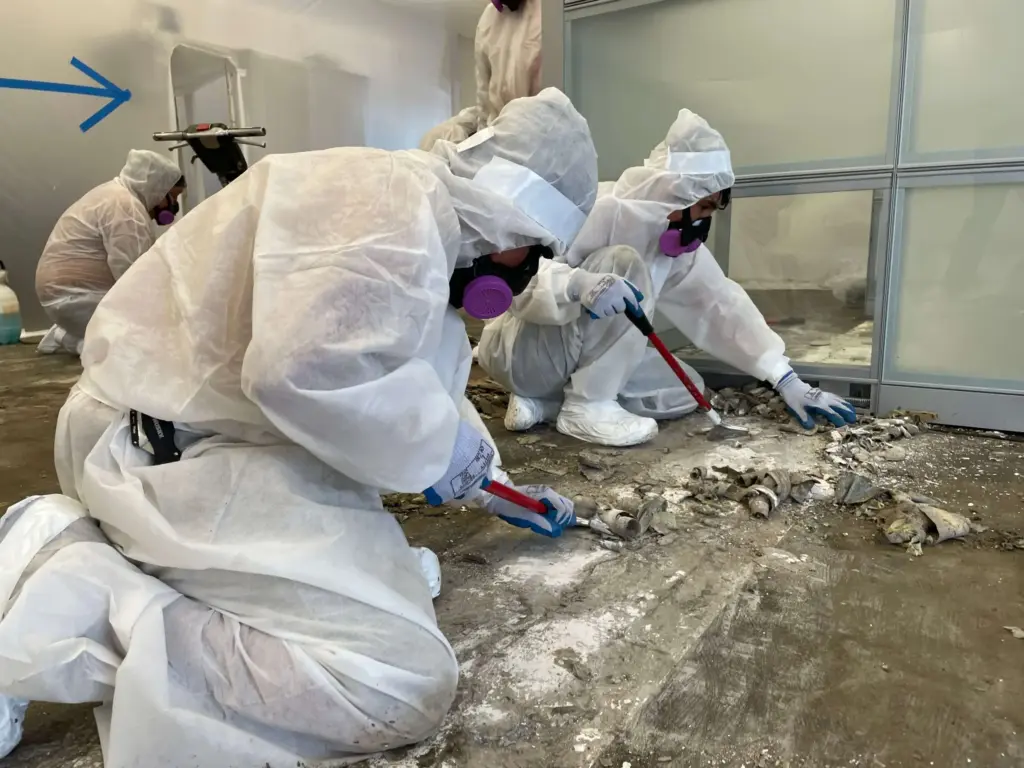
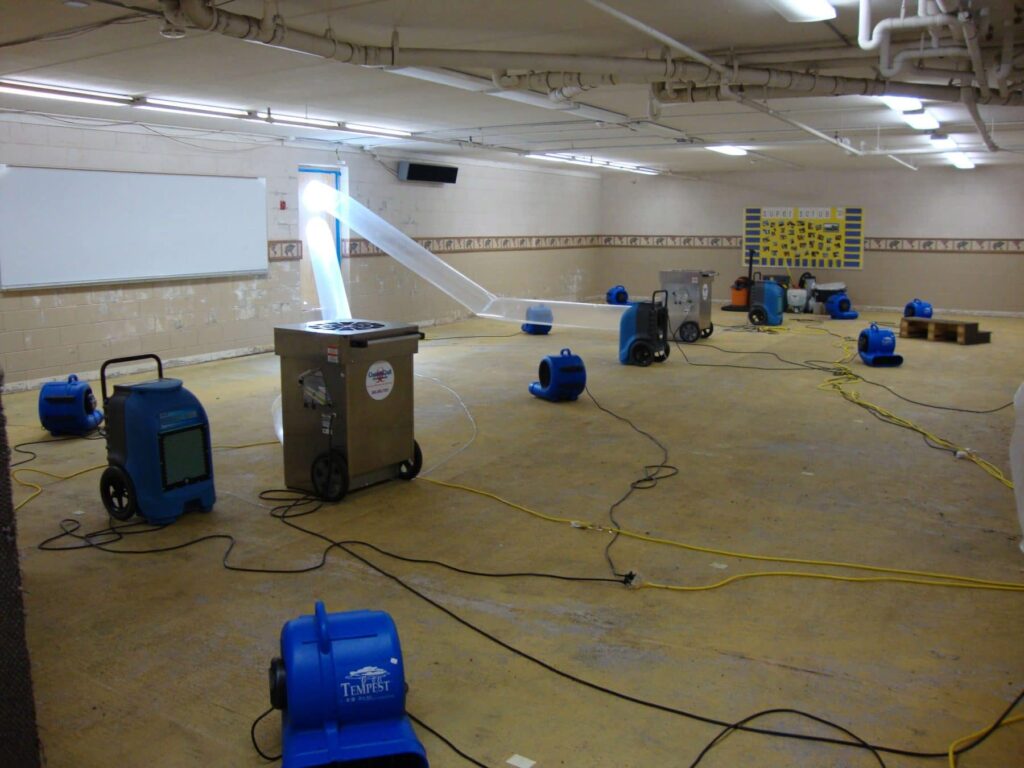
Rapid Response begins with detailed inspection using thermal imaging and air tests in Grand Junction homes. Containment via plastic sheeting and negative air machines prevents spread. HEPA vacuums and soda blasting remove growth without toxic chemicals. Affected materials get discarded if needed, followed by antimicrobial fogging. Final clearance testing verifies safety. This IICRC-certified method handled a Delta commercial site flawlessly, restoring operations quickly while minimizing disruption for Western Slope businesses.
How much does mold remediation cost in Grand Junction?
Costs vary by extent, from $500 for small bathroom jobs near Broadway to $5,000+ for basement overhauls in East End. Factors include square footage, location accessibility like hillside homes, and testing needs. Rapid Response provides free estimates, transparent pricing without hidden fees. Insurance often covers water-damage related mold in areas prone to river flooding. Their efficiency keeps costs down, as proven in Montrose residential projects.
How to prevent mold recurrence after Rapid Response treatment?
Post-remediation, maintain humidity under 50% with dehumidifiers, fix leaks immediately, and ventilate bathrooms in Grand Junction’s dry climate. Clean HVAC filters quarterly to block local dust. Use vapor barriers in crawlspaces near the river. Rapid Response offers maintenance tips and follow-ups, ensuring long-term protection for properties in Delta and Montrose too. Homeowners near Mesa Mall report no regrowth years later.
Does homeowners insurance cover mold removal by Rapid Response?
Yes, if mold stems from covered perils like sudden pipe bursts or storms, common in Grand Junction winters. Policies exclude gradual neglect. Rapid Response assists with claims, providing detailed reports for insurers. They’ve helped families near Patterson Road recover full costs, streamlining the process for stress-free restoration.
Take Action Today Against Mold in Grand Junction
Don’t let mold jeopardize your health in Grand Junction’s beautiful valleys. Contact Rapid Response for expert inspection and remediation, protecting your home from Lincoln Park to the National Monument trails. Their proven methods ensure safe, mold-free living.