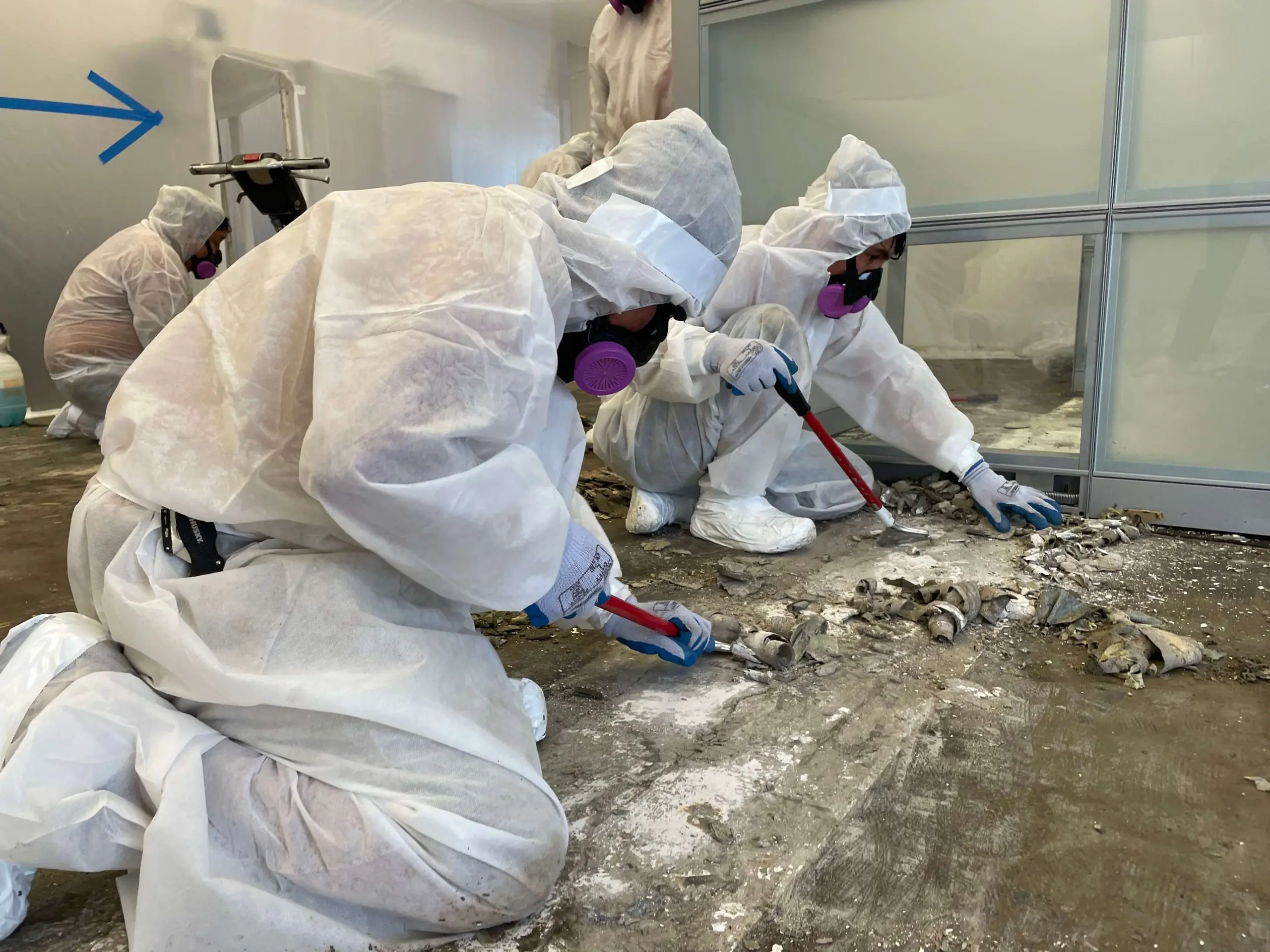
Rapid Response provides licensed, hands‑on asbestos abatement, testing, containment, and disposal services for residential and commercial properties across Grand Junction and the Western Slope. This post explains exactly what Rapid Response offers, how their team works, why local property owners trust them, and what to expect when scheduling asbestos work in Grand Junction neighborhoods such as Redlands, Clifton, Fruita, and around Colorado Mesa University and the Colorado River corridor.
Why this matters for Grand Junction homeowners and businesses
Asbestos-containing materials (ACMs) remain present in many buildings constructed or renovated before the 1980s, including older homes near downtown Grand Junction, warehouses around the 205 S 15th St commercial corridors, and schools and multi-family housing in the Redlands and Clifton areas. Disturbing ACMs during remodeling, demolition, or water/fire restoration releases hazardous fibers that pose long‑term health risks. Rapid Response is a local, family‑run restoration company that advertises certified asbestos abatement among its core services and integrates abatement with water, fire and mold remediation to reduce risk and streamline repairs for property owners in Grand Junction and surrounding towns such as Delta and Montrose.
Overview: Rapid Response asbestos services in Grand Junction
Rapid Response lists asbestos abatement as a specific offering alongside restoration services, stating they “safely contain and remove asbestos materials, protecting your property and ensuring compliance with safety standards.” Their website emphasizes adherence to industry and environmental rules and positions certified technicians as part of every project. Rapid Response serves Grand Junction and the Western Slope and highlights rapid local response times based on being a locally based company.
Services provided—detailed breakdown
Rapid Response’s asbestos work is offered as part of a comprehensive restoration service package. Based on the company’s site and service pages, their asbestos services include:
- Site assessment and visual inspection — technicians perform an initial evaluation to identify suspect materials and determine immediate safety actions and containment needs.
- On‑site sampling and testing coordination — Rapid Response coordinates or performs asbestos sampling so property owners have laboratory confirmation of asbestos in suspect materials before removal or disturbance.
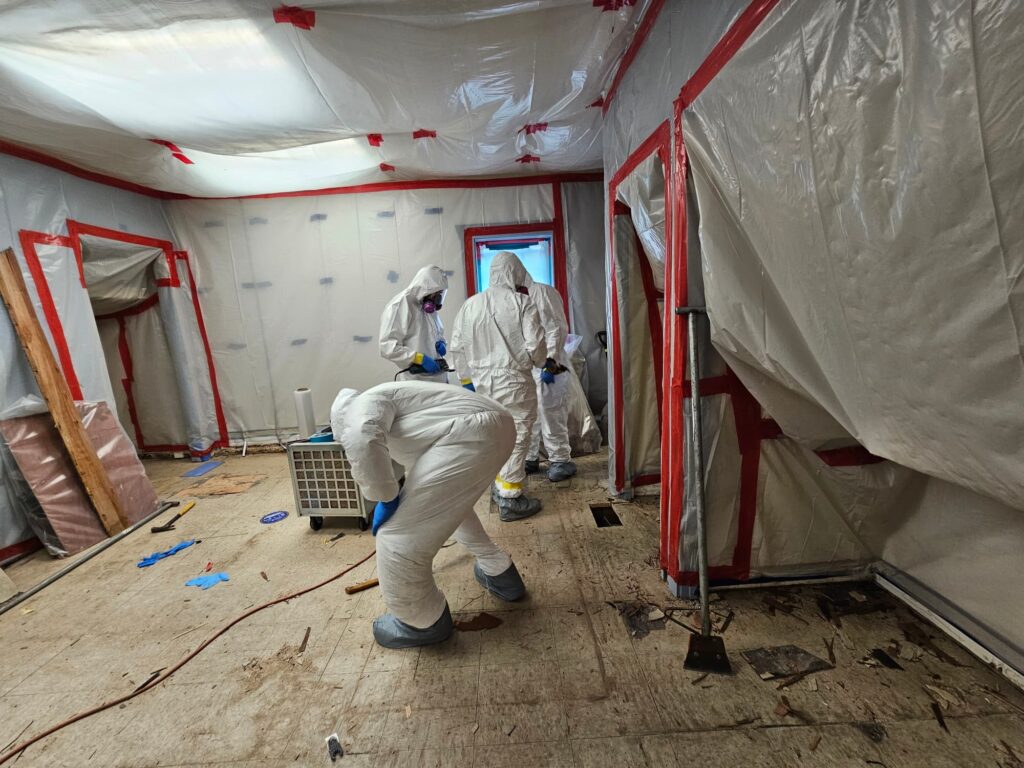
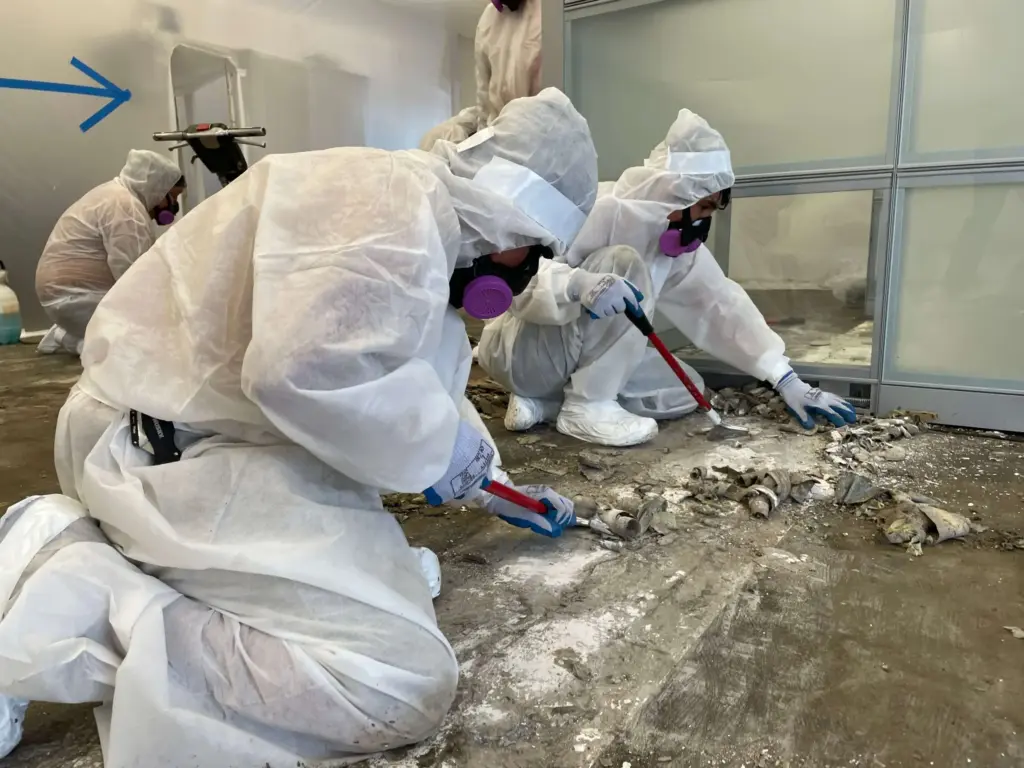
- Regulated asbestos abatement and removal — licensed technicians use negative pressure enclosures, wet methods, and established removal techniques to keep airborne fiber levels low during removal of friable and non‑friable ACMs.
- Containment and negative‑pressure isolation — building containment and HEPA‑filtered negative pressure systems are deployed to protect unaffected areas during abatement work.
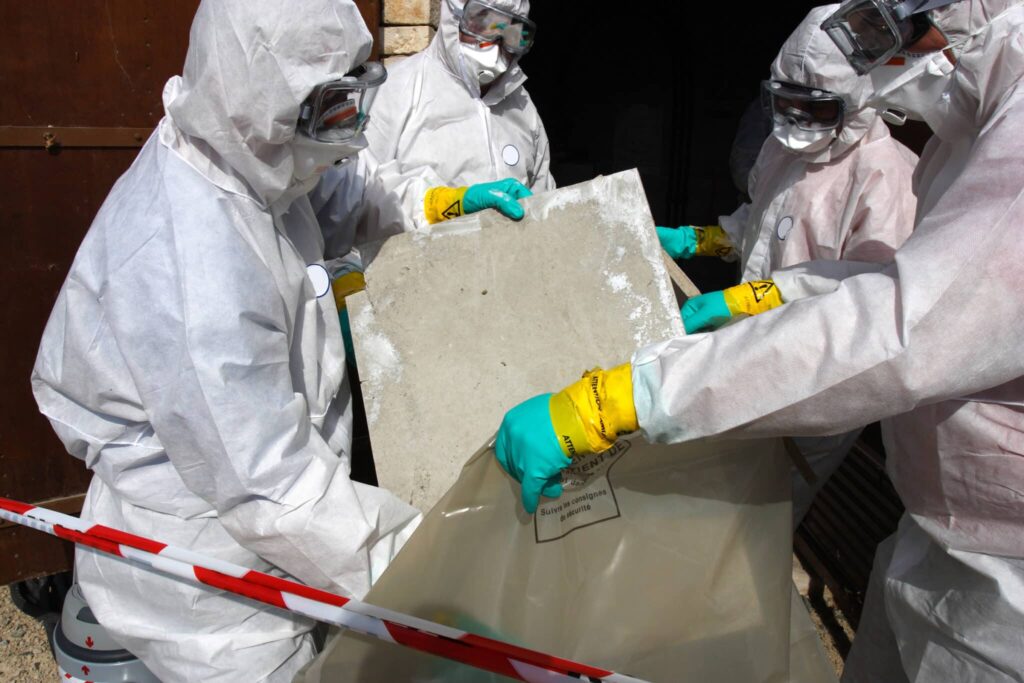
- Protective controls and worker safety — the team uses personal protective equipment (PPE) and follows safety protocols consistent with industry standards to protect workers and occupants.
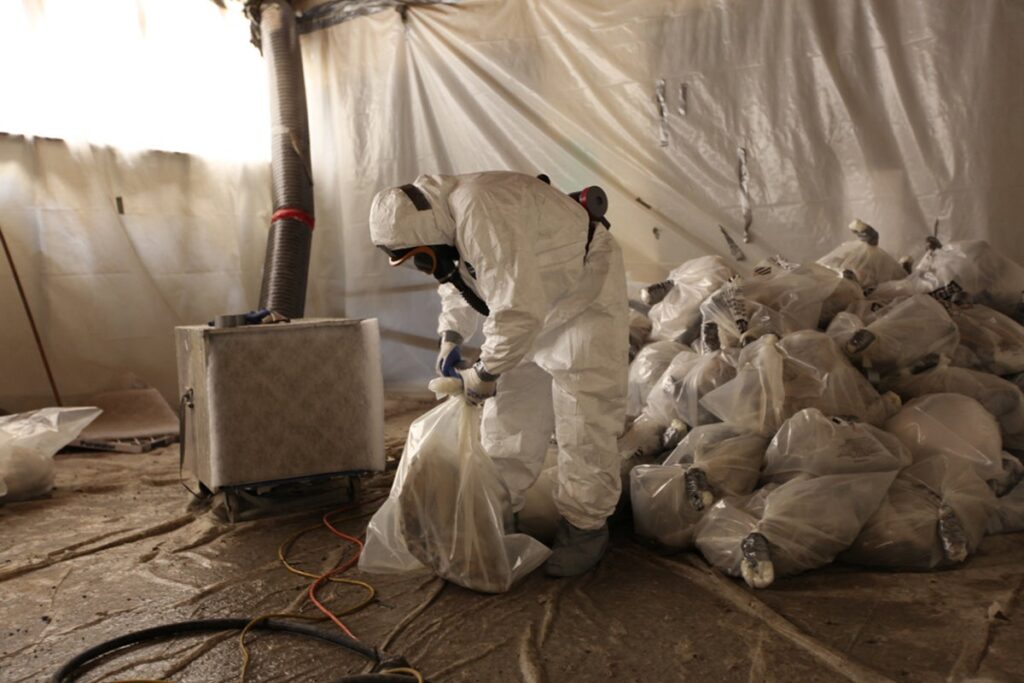
- Proper waste packaging, transportation, and disposal — asbestos waste is double‑bagged or placed in approved containers and transported to licensed disposal facilities per regulations.
- Clearance air monitoring and final documentation — post‑abatement visual checks and clearance air monitoring are completed to document safe re‑entry and to support insurance and regulatory compliance.
- Integrated restoration services — Rapid Response bundles asbestos abatement with water, fire, and mold remediation to reduce overall project time and help get properties back to service quickly.
Credentials, local roots, and company profile
Rapid Response identifies itself as a family‑owned restoration company based in Grand Junction with more than two decades of service in the region. The company website states that their technicians are certified and licensed, each project carries a satisfaction guarantee, and that they follow industry guidelines and environmental rules closely. Rapid Response highlights local knowledge—serving Grand Junction, Delta, Montrose, Fruita, Clifton, and Redlands—and promises fast local response, typically on‑site within minutes to under an hour for Grand Junction calls. The firm lists a 24/7 contact number for emergencies and positions asbestos abatement alongside radon testing & mitigation, mold remediation, and water/fire restoration as key service lines.
How Rapid Response approaches asbestos abatement—step by step
Working with Rapid Response typically follows a clear sequence designed to protect occupants and speed the restoration process:
- Initial contact and triage: a homeowner, property manager, or contractor calls Rapid Response (their contact phone is available on the company site) to report suspect materials or damage that may have disturbed ACMs.
- On‑site inspection and risk assessment: certified technicians perform a thorough visual inspection, identify suspect ACMs (for example, floor tile mastic, textured ceiling coatings, boiler insulation), and recommend sampling and containment if needed.
- Testing and documentation: Rapid Response coordinates asbestos sampling and laboratory analysis to confirm presence and concentration. Documentation is prepared for insurance, regulatory, and client records.
- Scope and permitting: the company develops an abatement scope of work and assists with any local permits or notifications required by Mesa County or the Colorado Department of Public Health and Environment.
- Containment, negative pressure and worker protection: on abatement days, containment barriers and negative pressure units are installed, and technicians use PPE to keep fibers contained.
- Careful removal and waste handling: ACMs are removed using wet methods and carefully packaged for transport to licensed disposal facilities, in compliance with applicable disposal rules.
- Clearance testing and sign‑off: post‑abatement visual inspection and clearance air testing confirm that airborne fiber concentrations are below acceptable levels before re‑occupancy.
- Restoration and repairs: Rapid Response offers to proceed with repairs, reconstruction, or finishing work so the property is restored after abatement is complete.
Common asbestos materials Rapid Response addresses
Rapid Response’s service scope typically includes materials commonly found in Grand Junction buildings, including but not limited to:
- Vinyl floor tiles and the mastics beneath them
- Popcorn or textured ceilings and decorative plasters
- Pipe and boiler insulation in older mechanical rooms
- Certain roofing materials and siding on pre‑1980 structures
- Fireproofing sprays and insulation board
The company emphasizes removal of these materials using industry‑standard controls to protect occupants and workers during renovation, demolition, or damage restoration work.
Why choose a local Grand Junction company for asbestos work?
Choosing a local firm like Rapid Response offers practical advantages for Mesa County property owners. Rapid local response can limit further water, mold, or structural damage when asbestos is discovered during emergency restoration after events like pipe bursts or fire. Rapid Response’s experience with simultaneous restoration disciplines—water, fire, mold, and asbestos—helps coordinate abatement with drying, smoke odor control, and reconstruction, shortening project timelines. Local firms also understand Mesa County permitting, waste disposal options, and typical building construction in Grand Junction neighborhoods from downtown near Colorado Avenue to the residential areas around Lincoln Park and Bessemer.
How Rapid Response integrates asbestos work with insurance and claims
Rapid Response states they work with most insurance providers and help document damage to support claims, which is critical when abatement is part of a larger restoration claim after water or fire loss. The company documents the condition before and after abatement, provides testing reports and clearance results, and produces invoices and scopes needed by adjusters. This streamlines claim processing and reduces delays for property owners who must coordinate both abatement and broader repair work.
Typical project examples and local scenarios
Grand Junction properties often present certain recurring scenarios where Rapid Response’s asbestos services are used:
- Bathroom or kitchen remodels: Older homes in the Redlands or along Orchard Mesa may have asbestos vinyl tile or mastic under flooring; Rapid Response handles safe removal prior to renovation.
- Water‑damaged ceilings and wall finishes: When leaks from aging roof systems near the Colorado River corridor or from HVAC failures in mixed‑use downtown buildings require repair, textured ceilings are sampled and abated if positive for asbestos.
- Commercial building renovations: Office and light industrial renovations near 15th Street and other Grand Junction commercial corridors often require asbestos surveys and abatement before demolition or HVAC work.
- Fire restoration that disturbs ACMs: After structure fires in neighborhoods like Clifton, ACMs disturbed by firefighting or demolition are assessed and abated as part of the restoration scope.
Health, safety, and regulatory adherence
Rapid Response emphasizes strict compliance with industry guidelines and environmental rules. Their website messaging promises no shortcuts and careful adherence to protocols. For property owners in Grand Junction, this means abatement is handled using containment, air filtration, and PPE to reduce exposure risks. The company’s approach includes documentation and testing that meet expectations for safety and regulatory review.
Local landmarks and GEO relevance
Rapid Response serves Grand Junction and nearby localities such as Fruita and Clifton and operates from a local address on S 15th St, which places them near downtown Grand Junction commercial corridors and neighborhoods. Mentioning local points of interest helps illustrate their local knowledge and reach: Colorado Mesa University, the Colorado River (including Island Acres and the Las Colonias Recreation Area), Lincoln Park, Grand Mesa access routes, the Grand Junction Regional Airport corridor, and shopping areas such as the Mesa Mall and East Hill Plaza. Their familiarity with Mesa County’s neighborhoods and transportation corridors supports fast responses and practical project planning across the city.
Turnaround times, response and emergency readiness
Rapid Response advertises that, because they are based locally, most response times in Grand Junction are under an hour for emergency calls. For abatement work discovered during emergency water or fire losses, this fast triage capability helps limit additional contamination, archive photographic evidence, and begin containment measures until full abatement can be scheduled.
Pricing factors and scope considerations
As with all abatement providers, pricing depends on the scope: square footage of asbestos materials, whether materials are friable or non‑friable, project complexity (height, access, HVAC impacts), disposal distances, and required clearance testing. Rapid Response’s model integrates abatement with restoration, which can produce efficiencies and reduce the number of subcontracted trades necessary to complete a full repair following abatement. Property owners should request a written scope, testing reports, and a firm cost estimate that outlines containment, testing, disposal, and post‑abatement clearance tasks.
Examples of documentation and client communication
Rapid Response’s site highlights customer‑focused practices: written scopes of work, documentation suitable for insurance claims, and a satisfaction guarantee. Typical documentation packages include pre‑abatement inspection notes and photos, laboratory asbestos test reports, a detailed work plan for abatement with containment drawings, waste manifests and disposal receipts, and final clearance reports indicating the property is safe for re‑occupancy.
Choosing the right abatement contractor—what to verify
When hiring Rapid Response or any asbestos contractor in Grand Junction, verify the following:
- Licensing and certifications for asbestos abatement for the state of Colorado and any local Mesa County requirements.
- Evidence of worker training, PPE programs, and respiratory protection programs.
- Proof of insurance, including general liability and pollution removal coverage where applicable.
- References or local project examples in Grand Junction neighborhoods and nearby towns.
- Clear written scope, pricing, and post‑abatement clearance plans.
Rapid Response strengths and differentiators
Key strengths Rapid Response communicates on its site include:
- Local, family‑owned operation with deep Grand Junction ties and a focus on the Western Slope.
- Integration of asbestos abatement with water, fire and mold restoration services to reduce project complexity and overall timeline.
- Certified technicians and a commitment to following industry guidelines and environmental rules.
- Customer service emphasis with fast response times, insurance coordination, and a satisfaction guarantee.
What property owners can expect during a Rapid Response asbestos project
Expect the initial phone triage to identify urgent containment needs, followed by an on‑site inspection and sampling plan. Rapid Response will provide an abatement scope with timing, anticipated access requirements (for example, temporary relocation of occupants for higher‑risk projects), and a quote that includes testing and disposal. During abatement, containment and negative pressure controls will be in place, and workers will use PPE. After removal, Rapid Response will arrange clearance testing and provide final documentation for the client and insurer.
Preparing your Grand Junction property for asbestos abatement
Before the abatement crew arrives, property owners typically need to clear non‑affected areas, remove personal belongings from the work zone, and plan for temporary relocation if required for safety and comfort—especially for extensive friable asbestos removal or when negative pressure enclosures limit HVAC use. Rapid Response’s integrated approach helps homeowners coordinate temporary repairs and reconstruction after abatement is complete.
Disposal and environmental responsibility
Rapid Response indicates that they follow environmental rules for disposal and handling of asbestos waste. Proper disposal requires transport to licensed facilities using approved containers and manifests. Rapid Response’s documentation practices—such as waste receipts and manifests—support transparency and regulatory compliance for their Grand Junction clients.
Case study snapshots and local examples
While specific client names and private case files are confidential, Rapid Response’s site emphasizes repeated, referral‑driven business from local homeowners and property managers. Representative project profiles they highlight include emergency responses to water damage where textured ceilings or pipe insulation required testing and subsequent abatement, and commercial renovation projects in Grand Junction where asbestos surveys and coordinated abatement were completed prior to demolition and tenant improvements.
How Rapid Response supports multi‑discipline restoration projects
Rapid Response commonly combines asbestos abatement with simultaneous restoration needs—such as drying and mold remediation after water intrusion, odor and soot removal after fire, and reconstruction after abatement is complete. Combining these trades under a single point of contact reduces coordination delays and helps Grand Junction property owners reopen homes and businesses faster.
Contacting Rapid Response and next steps
To request an asbestos inspection, sampling, or abatement estimate in Grand Junction, Rapid Response lists a 24/7 contact number on their site and invites property owners to call or complete an online form. For emergencies, their local presence means many Grand Junction calls receive same‑day or rapid response service. For routine abatement projects, schedule an initial inspection and asbestos sampling so Rapid Response can develop a precise scope and cost estimate.
For convenient navigation across their site and services, visit Rapid Response’s homepage using this link with brandable anchor text: Rapid Response Grand Junction Restoration & Abatement Services Home.
For direct access to the specific asbestos service page and more details about asbestos offerings, use this contextual internal resource link with brandable anchor text (60–70 characters): Rapid Response Asbestos Abatement & Testing Services in Grand Junction, CO.
Local permitting, Mesa County considerations, and disposal logistics
Grand Junction property owners should be aware that County and State regulations govern asbestos work, notifications, and disposal; Rapid Response states it follows industry guidelines and environmental rules and can assist with necessary documentation and permitting discussions. For larger projects, notifications to authorities and coordination of licensed disposal facilities are required, and Rapid Response’s local experience helps expedite those administrative steps in Mesa County and neighboring jurisdictions.
Common misconceptions about asbestos abatement
Many property owners assume every presence of asbestos mandates immediate full removal. In reality, whether to abate depends on the material condition, likelihood of disturbance, and planned renovations. Rapid Response’s assessment and sampling process helps determine if removal is necessary now, whether encapsulation or repair is an acceptable interim measure, and what the safest course is for occupants and future property plans.
Questions to ask Rapid Response before hiring
Before engaging an abatement contractor, ask Rapid Response these targeted questions:
- Can you provide copies of your Colorado asbestos contractor licenses and technician certifications?
- Do you carry current liability insurance and pollution coverage for asbestos work?
- Will you provide a written scope, schedule, and a firm price that includes testing and disposal?
- What are your post‑abatement clearance testing procedures and which laboratories do you use for analysis?
- Can you provide local references from Grand Junction projects or referrals from property managers and insurers?
How Rapid Response documents safety and quality
Rapid Response emphasizes documentation: pre‑work photos, sampling reports, work plans, manifests for waste, and final clearance reports that demonstrate the property is safe for reoccupancy. These items are essential for insurance claims and for meeting Mesa County or CDPHE requirements where applicable.
Pricing transparency and estimation tips
Get at least one written estimate that itemizes containment, labor, testing, PPE, disposal fees, and clearance testing. Rapid Response’s integrated model may reduce overall project costs by bundling abatement with other restoration trades, but a clear line‑item quote helps verify the scope and prevents surprises.
Preparing for reconstruction after abatement
After clearance is received, Rapid Response can coordinate repairs and finishing work—drywall replacement, painting, flooring installation, or mechanical repairs—so property owners have a single resource for making the property whole again. This consolidated approach reduces the number of contractors on site and provides a clearer timeline for return to service.
How Rapid Response maintains community trust in Grand Junction
Rapid Response highlights repeat business and referrals as a reflection of trust among Grand Junction homeowners, property managers, and insurance partners. Their local presence, quick response, and combined service offerings build practical value for customers across neighborhoods such as Redlands, Lincoln Park, and commercial corridors near 15th Street.
Estimating timelines for common abatement projects
Small residential abatement projects—such as removing a limited area of floor tile or a small section of textured ceiling—may be completed in a day or two including testing and clearance, while larger commercial or multi‑room abatement projects require more days for containment setup, removal, and multiple rounds of clearance testing. Rapid Response will schedule work to minimize disruption and coordinate reconstruction so properties return to use efficiently.
Key takeaways for Grand Junction property owners
Rapid Response provides local, certified asbestos abatement as part of an integrated restoration service offering in Grand Junction and the Western Slope. Their approach focuses on rapid response, licensed technicians, regulatory compliance, clear documentation for insurance claims, and combining abatement with water, fire, and mold restoration to reduce project complexity.
Frequently Asked Questions
What asbestos abatement services does Rapid Response offer in Grand Junction?
Rapid Response offers a full suite of asbestos services in Grand Junction, including on‑site inspection and visual risk assessment, sample collection and laboratory testing coordination, regulated asbestos abatement and removal, containment and negative pressure isolation, PPE and worker protection programs, proper packaging and transport of asbestos waste to licensed disposal facilities, and post‑abatement clearance testing with final documentation. They integrate these services with water, fire, and mold restoration when asbestos is discovered during damage repair, helping property owners in neighborhoods like Redlands, Clifton, and downtown Grand Junction manage both hazard removal and subsequent reconstruction.
How do I know if my Grand Junction property needs asbestos testing?
If your building was constructed or renovated before the 1980s, or if renovation, demolition, water damage, or fire has disturbed building materials such as vinyl floor tiles, textured ceilings, boiler insulation, or sprayed fireproofing, you should arrange asbestos testing. Rapid Response provides inspection and sampling to determine whether materials contain asbestos and whether abatement or encapsulation is required. For urgent situations—like water intrusion near Colorado Mesa University rental properties or storm damage near the Colorado River corridor—Rapid Response can perform rapid triage and testing to guide next steps.
Are Rapid Response technicians licensed and certified to do asbestos abatement?
Rapid Response advertises that their technicians are certified and licensed and that they follow industry guidelines and environmental rules. They operate as a local, family‑owned restoration company and state that every project comes with documentation and a satisfaction guarantee. Before hiring, request copies of contractor licenses, technician certifications, and proof of current insurance to verify credentials for your specific project in Mesa County.
How long does asbestos abatement typically take for a residential project?
Project duration depends on the scope and material condition. Small residential jobs, such as removing a limited area of vinyl tile or a small textured ceiling section, can often be completed in one to two days, including containment and clearing. Larger projects—extensive friable material removal, multi‑room abatement, or projects requiring complex containment—may take several days to a week or more. Rapid Response coordinates scheduling and clearance testing to provide a clear timeline based on your home’s layout and the extent of asbestos materials.
How much does asbestos abatement cost in Grand Junction with Rapid Response?
Costs vary depending on the amount and type of asbestos materials, accessibility, disposal distance and fees, testing required, and whether additional restoration services are combined with abatement. Rapid Response recommends an on‑site inspection and sampling to produce a detailed, written estimate that itemizes containment, labor, testing, and disposal. Bundling abatement with water, fire, or mold restoration may produce efficiencies. For an accurate price, request a site visit and a written scope of work.
Will Rapid Response help with insurance claims for asbestos abatement?
Yes. Rapid Response states that they work with most insurance providers and help document damage to support claims. They provide pre‑ and post‑work documentation, sampling reports, clearance testing results, and waste manifests required by adjusters. This documentation streamlines claim processing for property owners who need both abatement and restoration after incidents like water leaks or fire.
What safety measures does Rapid Response use during asbestos removal?
Rapid Response uses containment barriers, HEPA‑filtered negative pressure units, wet removal methods to limit fiber release, and appropriate PPE for technicians. They follow industry guidelines and environmental rules to protect workers and occupants. Post‑abatement clearance air monitoring and visual inspections are used to confirm the work area is safe for re‑occupancy. For high‑risk projects, temporary occupant relocation may be advised until clearance is obtained.
Does Rapid Response handle disposal of asbestos waste?
Yes. Rapid Response packages asbestos waste in approved containers or double‑bagging and transports it to licensed disposal facilities in compliance with regulatory requirements. They provide manifests and disposal receipts as part of final project documentation, ensuring transparent environmental compliance for Mesa County property owners.
Can Rapid Response perform asbestos abatement for commercial properties in Grand Junction?
Rapid Response serves both residential and commercial clients, offering surveys, abatement, and coordination with renovation or demolition schedules. Commercial projects may require additional notifications, larger containment systems, and staged abatement to maintain business operations; Rapid Response draws on local experience to plan phasing, minimize disruption, and meet regulatory requirements for larger buildings in commercial corridors like 15th Street and industrial areas.
How do I schedule an asbestos inspection or abatement with Rapid Response?
To schedule inspection or abatement, call Rapid Response’s listed contact number or complete the contact form on their website. They offer 24/7 contact for emergencies and commonly provide rapid on‑site response in Grand Junction, often arriving within an hour for urgent issues. An initial inspection and sampling plan will establish whether abatement is required and allow Rapid Response to provide a written estimate and schedule.
Conclusion and next steps
If you suspect asbestos in your Grand Junction property—or if asbestos was discovered during water, fire, or renovation work—contact Rapid Response to schedule an inspection and testing. Their local presence, certified technicians, and combined restoration services make them a practical option for Mesa County property owners who need timely, documented, and regulation‑compliant abatement. For quick access to service details and to start a request, visit the Rapid Response homepage: Rapid Response Grand Junction Restoration & Abatement Services Home or go directly to the asbestos service page for additional specifics: Rapid Response Asbestos Abatement & Testing Services in Grand Junction, CO.