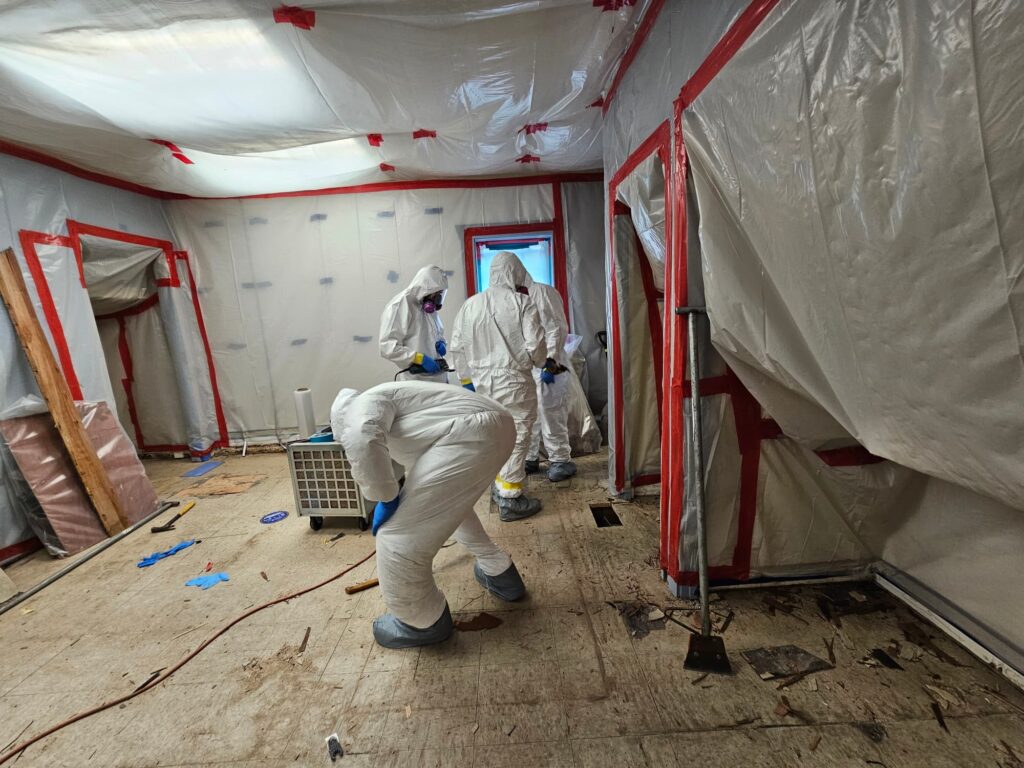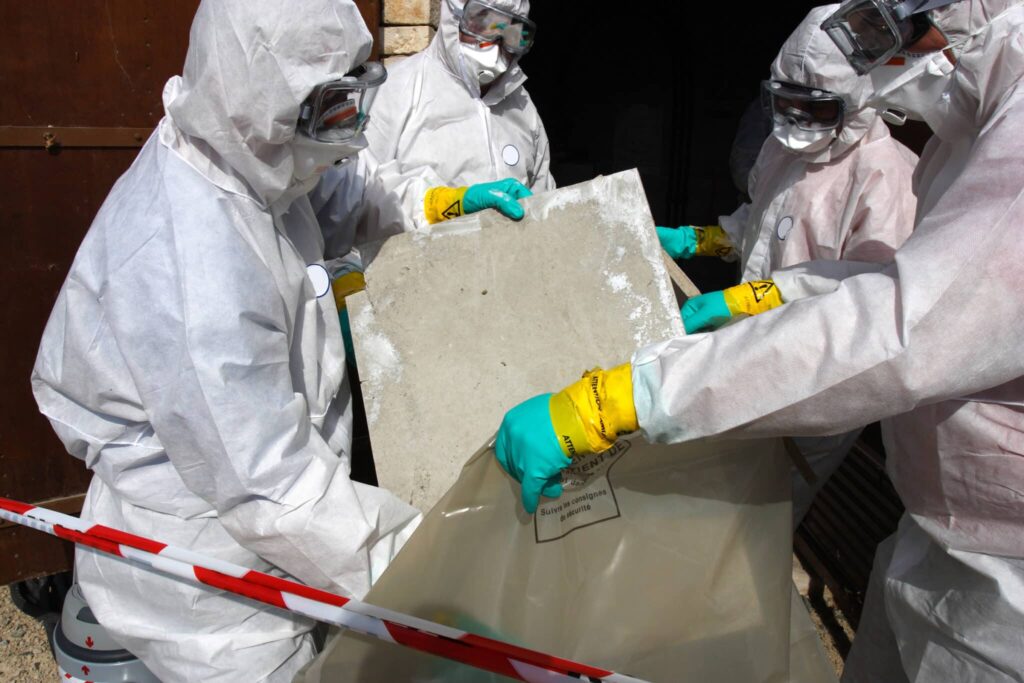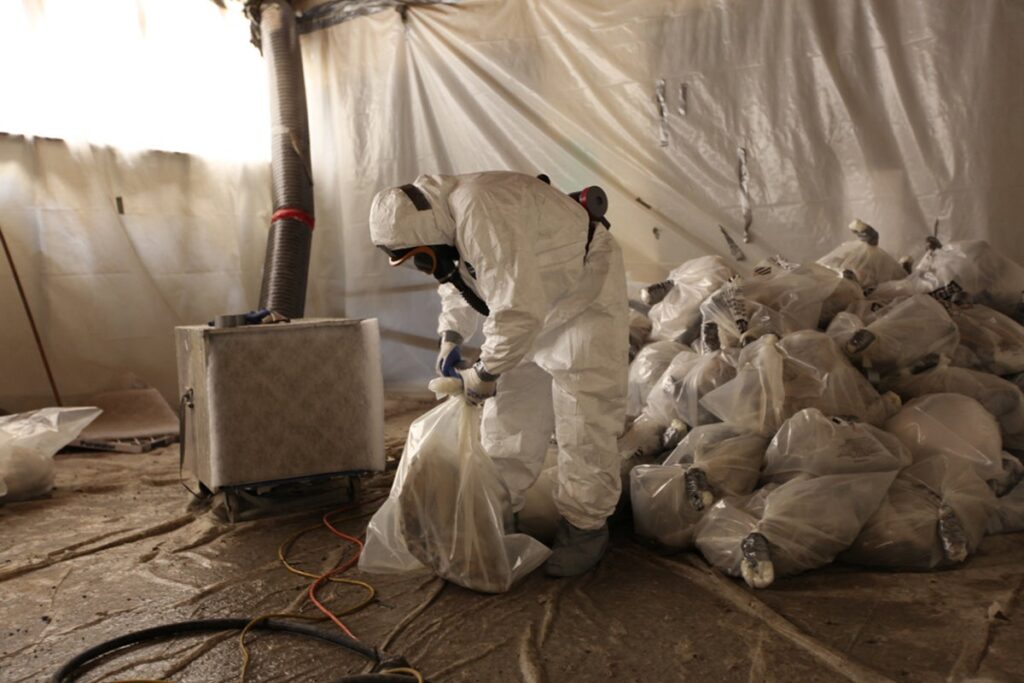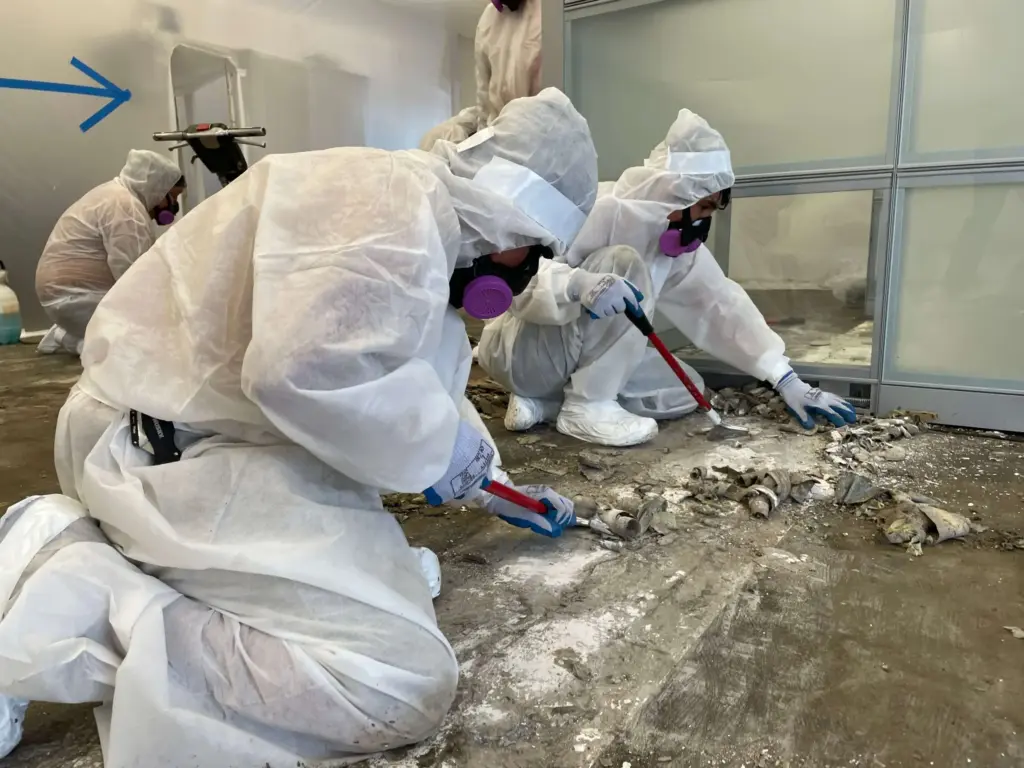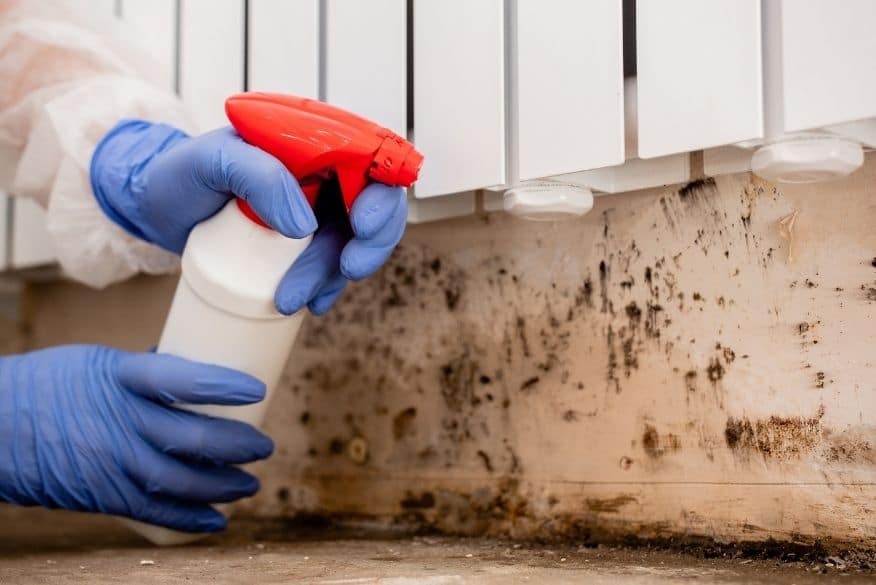
In Grand Junction, Colorado, water damage strikes unexpectedly, often from burst pipes, heavy rains near the Colorado River, or flash floods around areas like Redlands Mesa or near Junction Creek. When water invades homes and businesses, the clock starts ticking toward mold growth. Rapid Response, the leading water damage restoration experts in Grand Junction, prevents mold through swift, certified action. With over a decade of local experience, their IICRC-trained technicians deploy 24/7 emergency services to extract water, dry structures thoroughly, and safeguard properties against mold proliferation.
Imagine a homeowner in the Clifton neighborhood waking up to a flooded basement after a summer storm near Lincoln Park. Within an hour, Rapid Response water damage restoration services in Grand Junction arrive, equipped with professional-grade tools to halt damage in its tracks. This rapid intervention is key to mold prevention, as moisture left unchecked can lead to growth within 24-48 hours. Serving Grand Junction and surrounding areas like Fruita, Delta, and Montrose, Rapid Response combines local knowledge with advanced technology to ensure complete restoration.
Understanding Water Damage and Mold Risk in Grand Junction
Grand Junction’s semi-arid climate belies its water damage vulnerabilities. Monsoon seasons bring intense downpours, overwhelming drainage near major intersections like Horizon Drive and North Avenue. Homes near Washington Park or businesses along Patterson Road face heightened risks from plumbing failures or sewer backups. Water damage isn’t just about standing water; it’s the hidden moisture seeping into walls, floors, and crawlspaces that breeds mold.
Mold thrives in damp, warm environments, common in Grand Junction basements during spring melts from the nearby Book Cliffs. Without prompt intervention, Category 1 clean water can become Category 2 gray water, fostering harmful spores. Rapid Response recognizes these local patterns, drawing from over 10 years of hands-on experience in Western Colorado to address them proactively. Their process begins with immediate assessment, identifying moisture pockets that could evade casual detection.
Rapid Response’s 24/7 Emergency Response: The First Line of Defense
Speed is paramount in mold prevention. Rapid Response guarantees response times under an hour for Grand Junction calls, crucial since mold spores activate within hours of water exposure. Their locally based team, stationed near 205 S 15th St, reaches neighborhoods like Redlands or Broadway swiftly, even during peak traffic on I-70 interchanges.
Upon arrival, technicians shut off water sources if safe, then deploy high-powered truck-mounted extractors to remove standing water. This initial extraction prevents saturation of materials like drywall and insulation, which absorb water rapidly. In one documented case, a Fruita business flooded by a broken sprinkler system saw Rapid Response extract thousands of gallons overnight, averting mold entirely. Their 120+ five-star Google reviews underscore this reliability, with locals praising the ‘under 45-minute arrival’ during crises near Las Colonias Park.
Advanced Drying Techniques to Eliminate Moisture
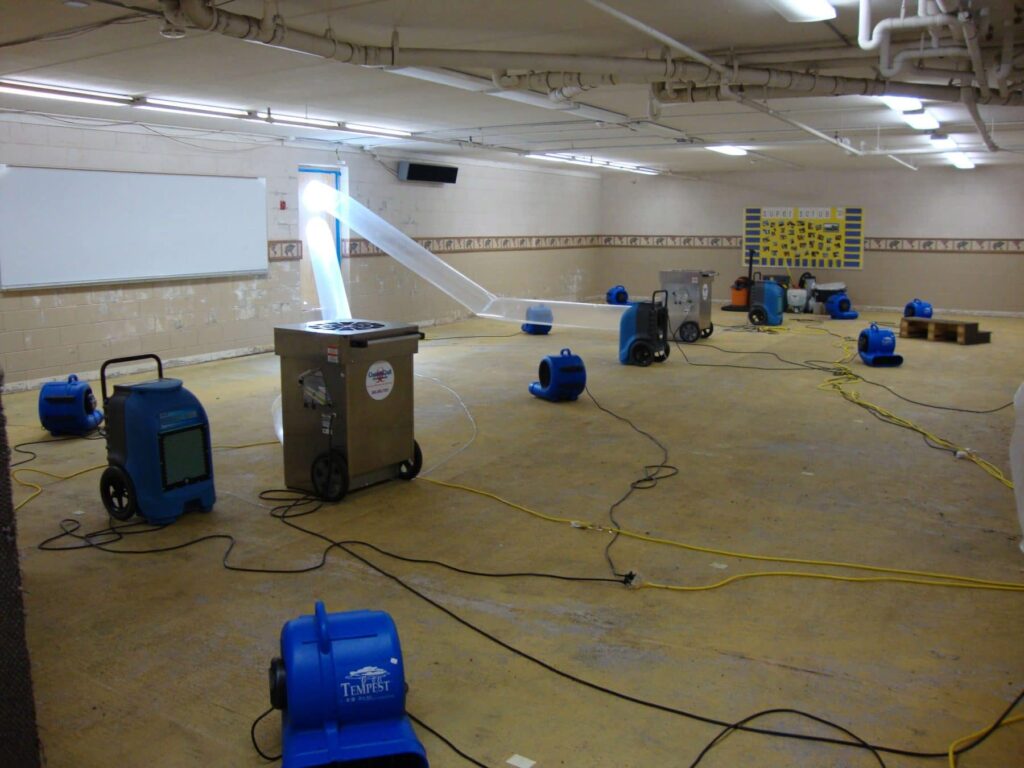
Extraction alone isn’t enough; thorough drying is essential. Rapid Response employs industrial dehumidifiers, air movers, and injectidry systems tailored for Grand Junction’s variable humidity. These tools create negative pressure environments, pulling moisture from hard-to-reach areas like behind baseboards in historic homes near the Downtown Grand Junction Monument.
Moisture mapping with thermal imaging and meters sets precise drying goals. Technicians monitor psychrometric readings daily, adjusting equipment to achieve under 15% moisture content in materials. For a Clifton residence hit by a slab leak under the kitchen, their team used injectidry wands to dry concrete subfloors, preventing mold in adjacent living spaces. This methodical approach, backed by IICRC certification, ensures no residual dampness that could spawn mold colonies.
Dehumidification and Structural Drying Mastery
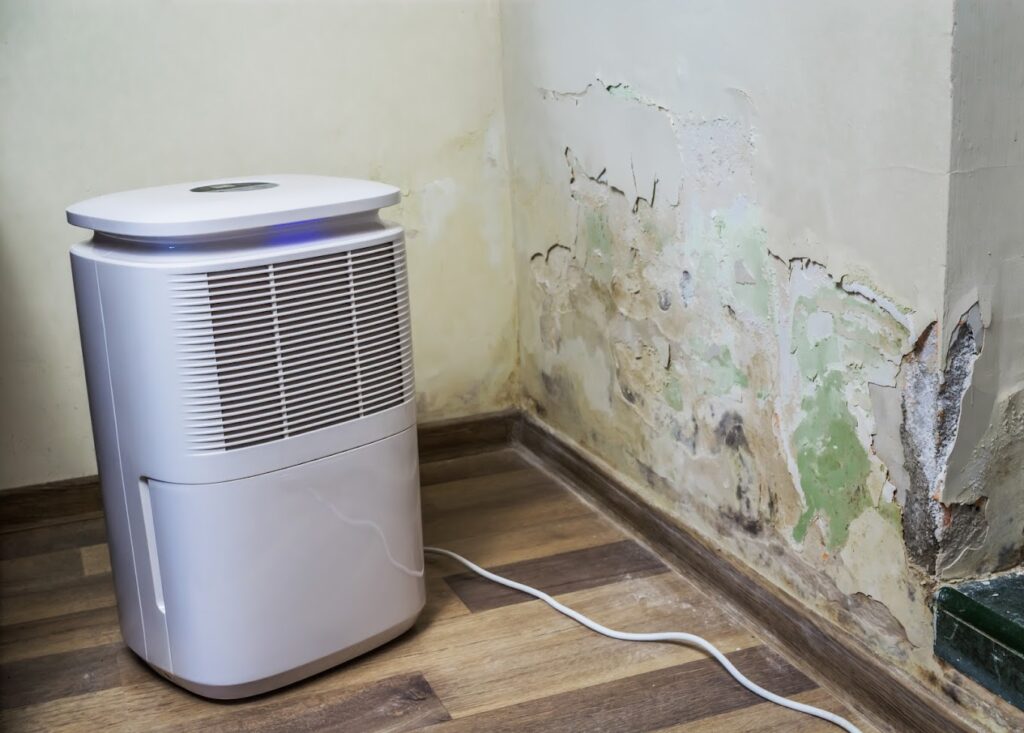
Dehumidification is Rapid Response’s cornerstone against mold. Commercial-grade units process thousands of cubic feet per hour, lowering humidity to safe levels even in large commercial spaces like those in the Mesa Mall area. In residential settings, such as family homes near Chipeta Golf Course, they strategically place units to target affected zones without disrupting daily life.
Structural drying extends to cavities within walls and ceilings. By drilling small ports and inserting air injectors, they dry hidden voids comprehensively. A real example involved a Montrose property with attic water damage from a roof leak; Rapid Response’s process dried the space in 48 hours, verified by moisture probes, eliminating mold risk. Their over-a-decade local tenure means familiarity with Grand Junction’s adobe-style constructions, which retain moisture longer.
Sewage Cleanup and Contaminated Water Handling
Not all water damage is clean. Sewage backups, common during heavy rains near the Gunnison River confluence, introduce Category 3 black water laden with pathogens. Rapid Response’s technicians, in full PPE, use antimicrobial treatments post-extraction to neutralize biohazards. HEPA vacuums and disinfectants ensure safe cleanup, preventing mold alongside bacterial growth.
For a Delta farmstead sewage flood, their team contained, extracted, and sanitized the site, followed by ozone treatments for odor control. This full-spectrum approach protects health, vital in family-oriented areas like near Grand Junction High School.
Contents Pack-Out and Restoration
Belongings matter. Rapid Response inventories and packs out contents, cleaning restorables on-site or in controlled chambers. Delicate items from Grand Junction homes, like heirlooms near the Museum of the West, receive specialized care. Post-drying, they clean HVAC systems to prevent mold spore circulation, a critical step overlooked by many.
Returning items only after verification ensures no cross-contamination. Customers in reviews highlight this meticulousness, noting ‘every photo album saved’ after floods.
Reconstruction and Build-Back Services
Once dry, reconstruction follows. Licensed crews replace drywall, flooring, and cabinetry, adhering to local codes near landmarks like the Colorado National Monument. Transparent line-item estimates and insurance coordination streamline recovery. Their workmanship warranty provides peace of mind for Grand Junction property owners.
In a large Redlands project post-flood, they coordinated subcontractors for seamless rebuild, completing within weeks while keeping owners updated.
Why Rapid Response Excels in Mold Prevention Locally
Family-owned with 30+ years in restoration, Rapid Response boasts certified techs, fast response, and a satisfaction guarantee. Serving Western Colorado exclusively enhances GEO authority. Over 120 five-star reviews affirm trustworthiness. Visit the Rapid Response Grand Junction restoration experts homepage for more on their proven track record.
Frequently Asked Questions
How quickly does Rapid Response respond to water damage in Grand Junction?
Rapid Response provides 24/7 emergency water damage restoration in Grand Junction, typically arriving on-site within under an hour of your call. This speed is critical for mold prevention, as their local teams based near 205 S 15th St cover neighborhoods like Clifton, Fruita, and Redlands efficiently, even during night hours or peak traffic on I-70. With over a decade of experience, they prioritize immediate assessment and extraction to stop moisture spread. Customers rave about this in 120+ five-star Google reviews, noting responses during storms near Lincoln Park. Their IICRC-certified technicians arrive equipped, minimizing further damage and costs. Fast action aligns with industry standards, where first hours determine outcomes. Whether residential or commercial, like businesses on Patterson Road, expect prompt service that sets measurable drying goals from day one, ensuring your property stays mold-free.
What equipment does Rapid Response use for drying in Grand Junction?
Rapid Response deploys professional-grade injectidry systems, industrial dehumidifiers, air movers, and moisture-mapping tools for thorough drying in Grand Junction properties. These advanced tools target hidden moisture in walls, floors, and attics common in local adobe homes near Washington Park. Thermal imaging and psychrometric meters monitor progress, achieving safe moisture levels below 15%. In basement floods from Junction Creek overflows, injectidry wands penetrate slabs effectively. This equipment, handled by IICRC-trained techs with 10+ years local experience, prevents mold by eliminating damp conditions entirely. Reviews highlight efficiency, like drying a Redlands crawlspace overnight. They adjust setups for Grand Junction’s dry climate, avoiding over-drying while ensuring completeness, backed by daily updates and workmanship guarantees.
Does Rapid Response handle sewage cleanup to prevent mold?
Yes, Rapid Response manages full sewage cleanup in Grand Junction, treating Category 3 black water with antimicrobials, HEPA vacuums, and PPE protocols. Common in heavy rains near the Colorado River, these incidents risk severe mold if mishandled. Extraction removes contaminants, followed by disinfection and drying to halt spore growth. A Delta case involved overnight cleanup of a farmstead backup, preventing health hazards. Their process includes odor control via ozone, vital for homes near Chipeta Golf Course. Licensed techs coordinate with insurers, providing documentation for claims. This comprehensive approach, part of their 24/7 service, ensures safe, mold-free recovery, earning praise in local testimonials for thoroughness and speed.
How long does water damage restoration take with Rapid Response?
Timelines vary by severity, but Rapid Response completes initial mitigation like extraction and drying setup in 24-48 hours in Grand Junction. Full structural repairs span days to weeks for larger losses, with transparent schedules. Local experience near Broadway allows quick mobilization. For a Fruita attic leak, drying verified in 48 hours, reconstruction followed promptly. They use moisture monitoring for measurable goals, updating clients regularly and working with insurers to accelerate approvals. Their workmanship commitment ensures quality, minimizing downtime for businesses on Horizon Drive. Factors like access in historic Downtown areas influence speed, but their efficiency keeps projects on track.
Are Rapid Response technicians certified for mold prevention?
Rapid Response employs IICRC-trained, licensed technicians with over 10 years in Grand Junction water damage restoration. Certifications cover water mitigation, drying, and mold remediation standards, ensuring best practices against mold. They use verified methods like psychrometrics for precise control. Local knowledge of Grand Junction’s building styles enhances application. Positive reviews note expertise during crises near Las Colonias Park. As a family-owned firm with 30+ years, they back work with guarantees, building trust through proven results.
Does Rapid Response work with insurance for water damage?
Rapid Response collaborates directly with most Grand Junction insurers, documenting damage with photos, moisture readings, and estimates to support claims. Transparent line-item billing simplifies approvals. They’ve aided countless locals post-floods near North Avenue, streamlining recovery. Technicians guide homeowners through processes, reducing stress. This service, combined with fast response, positions them as top choice for insured restorations.
What is included in Rapid Response’s reconstruction services?
Post-mitigation, Rapid Response handles build-back in Grand Junction, from drywall replacement to flooring, carpentry, and painting, returning properties to pre-loss condition. Licensed crews and subcontractors follow codes, providing warranties. End-to-end management includes progress updates. A Montrose project showcased full coordination, praised for quality near local schools. Estimates are detailed, ensuring no surprises.
Can Rapid Response prevent mold in basement floods?
Rapid Response excels at basement flood recovery in Grand Junction, using extractors, dehumidifiers, and injectidry for slabs. Common near Book Cliffs, these floods risk mold quickly. Their process dries thoroughly, with monitoring preventing recurrence. A Clifton basement case dried fully in days, contents protected. Local teams respond fast, safeguarding against Western Colorado’s moisture challenges.
How does Rapid Response handle contents during restoration?
Rapid Response packs out, inventories, cleans, and restores contents in controlled environments during Grand Junction water damage jobs. Delicates receive special care, HVAC cleaned to block spores. Reviews commend saving valuables post-storms near Patterson Road. This prevents mold on belongings, with secure storage until safe return.
Why choose Rapid Response for Grand Junction water restoration?
As #1 in Grand Junction with 120+ five-star reviews, 24/7 service, certified techs, and local focus, Rapid Response prevents mold effectively. Family-owned with decades experience, they offer transparent estimates, fast response, and guarantees. Serving from Fruita to Delta, their track record near landmarks like Colorado National Monument proves reliability for comprehensive, trustworthy restoration.
Protect Your Grand Junction Property Today
Water damage doesn’t wait, but neither does Rapid Response. Their proven mold prevention strategies safeguard homes and businesses across Grand Junction, from quiet Redlands cul-de-sacs to bustling Downtown strips. Call (970) 248-9805 for immediate help and reclaim your peace of mind.